

Views: 0 Author: Site Editor Publish Time: 2026-09-26 Origin: Site


Sourcing industrial storage involves hidden operational costs that many facility managers overlook. Buying out-of-state often leads to exorbitant LTL or FTL freight fees, transit damage during long hauls, and delayed installation timelines that disrupt your entire supply chain. Searching for local racking solutions often yields a fragmented market of premium integrators, equipment brokers, and questionable liquidators. Selecting the wrong vendor risks facility safety, OSHA compliance failures, and severe operational bottlenecks. You need a systematic framework for evaluating local suppliers, assessing structural facility requirements, and procuring a scalable storage solution that balances upfront logistics with uncompromising safety. This guide provides the exact steps to evaluate local vendors, inspect materials, and build a resilient storage infrastructure.
Prioritizing local sourcing drastically reduces heavy steel freight costs and enables critical physical inspections of used inventory prior to purchase.
Accurate load capacity calculations, seismic zone compliance, and facility layout engineering are non-negotiable prerequisites before engaging any vendor.
The decision between new and used industrial warehouse racks depends entirely on project lead times, specific customization requirements, and risk tolerance regarding structural warranties.
The most reliable vendors operate as full-service integrators with decades of expertise, offering end-to-end solutions including CAD layouts, municipal permitting, efficient logistics, and certified installation.
Heavy steel shipments carry massive logistical burdens. You must analyze the financial impact of Less Than Truckload (LTL) versus Full Truckload (FTL) freight rates. LTL carriers combine shipments from multiple customers, increasing handling frequency and transit times. Bulky upright frames and long beams take up significant trailer space. Carriers often classify these shipments under higher freight classes due to their awkward density and dimensions, driving up your final invoice.
FTL shipping dedicates an entire trailer to your project. It reduces handling but requires purchasing large volumes to justify the expense. Geographic proximity changes this equation entirely. Regional distribution centers inherently reduce transit damage risks. Shorter travel distances mean fewer bumps, fewer terminal transfers, and lower shipping premiums. When you search for warehouse racks near me, you tap into regional supply chains that bypass national freight bottlenecks.
Local sourcing expedites delivery timelines. Urgent facility upgrades cannot wait weeks for cross-country transit. A local supplier with an efficient, dedicated delivery fleet offers a massive advantage. They control the loading process. They secure the steel properly using flatbeds. They deliver directly to your dock doors without relying on third-party national freight carriers who often lack experience handling heavy material handling equipment.
You must physically inspect used materials before installation. Buying sight-unseen is a severe operational risk. Local sourcing allows you to walk the supplier's yard. You can check for critical defects that compromise structural integrity before any money changes hands.
Rust and Corrosion: Surface rust might be cosmetic, but deep pitting weakens the steel. Inspect the bottom 24 inches of uprights closely, as this area sustains the most moisture and forklift abuse.
Upright Deflection: Use a straight edge to check for bowing. Bent frames lose their load-bearing capacity immediately and cannot be safely repaired in the field.
Baseplate Damage: Look for warped or torn baseplates. These anchor the entire system to your concrete slab and must sit perfectly flat.
Unauthorized Welding: Reject any components with aftermarket welds. Field modifications void original engineering stamps and manufacturer warranties.
Visiting local showrooms lets you verify component quality firsthand. Bring calipers to measure steel gauge thickness. A 14-gauge steel frame handles medium duty, while 12-gauge is required for heavy-duty applications. You can inspect powder-coat paint quality and test beam-to-frame connections to ensure compatibility. Physical verification prevents costly installation delays caused by mismatched or damaged parts.
Safety begins with accurate engineering formulas. You must calculate maximum pallet weights before buying any steel. Determine the heaviest load your facility handles. Factor in the weight of the wooden pallet itself. You need operational data to ensure you source the strongest racks for your specific application.
Beam capacities rely on Uniformly Distributed Loads (UDL). If a beam pair is rated for 5,000 pounds, the weight must sit evenly across the entire surface. Point loads change the math entirely. A heavy, concentrated load in the center of a beam causes severe deflection. You must also calculate point loads on your concrete slab. Divide the total weight of a fully loaded bay by the number of baseplates. Verify your slab can support this pressure without cracking. A standard 6-inch concrete slab with a 3,000 PSI rating handles typical selective racking, but high-density systems often require an 8-inch slab with 4,000 PSI.
Under-specifying upright frames and beams creates severe safety risks. Overloaded frames will buckle. Overloaded beams will bow and eventually snap. Always build in a safety factor. If your maximum pallet weighs 2,000 pounds, specify your warehouse storage system to handle at least 2,500 pounds per position to account for operational variances.
Your storage system must respect your physical space. You need a strict framework for assessing facility constraints. Start by measuring clear ceiling height. Subtract the required clearance for fire sprinklers, which is typically 18 to 36 inches depending on local codes. This determines your maximum upright height.
Map out your building column spacing. Racking rows must align with these columns to avoid wasting space. Determine your required forklift turning radiuses. Aisle width dictates your entire layout and directly impacts your total storage capacity.
Forklift Type | Required Aisle Width | Storage Density | Ideal Application |
|---|---|---|---|
Sit-Down Counterbalance | 12 to 14 Feet | Low | Standard selective racking, high SKU counts, outdoor yards. |
Reach Truck | 8 to 10 Feet | Medium | Narrow aisle selective racking, double-deep systems. |
Very Narrow Aisle (VNA) | 5.5 to 6 Feet | High | Wire-guided high-density storage, full pallet picking. |
Order Picker | 4 to 5 Feet | Very High | E-commerce fulfillment, individual carton picking. |
Transitioning from standard selective racking to high-density solutions depends on inventory flow. Analyze your SKU velocity. Fast-moving goods require high selectivity. Bulk storage of identical items benefits from space-saving systems. Choose between First-In, First-Out (FIFO) and Last-In, First-Out (LIFO) based on product expiration dates and rotation needs.
Navigating local building codes is mandatory. Municipalities enforce strict fire suppression rules. You must maintain longitudinal and transverse flue space clearances. These gaps allow sprinkler water to reach the floor during a fire. Blocking flue spaces results in immediate failed inspections and potential facility shutdowns.
Seismic zone engineering requirements vary drastically by region. Facilities near fault lines require heavier steel. They need larger footplates and specific seismic anchoring, such as heavy-duty wedge anchors embedded deeper into the concrete. Heavy-duty racks must be engineered and stamped by a licensed professional. Proper anchoring meets OSHA standards and prevents catastrophic domino-effect collapses during earthquakes or accidental forklift impacts.
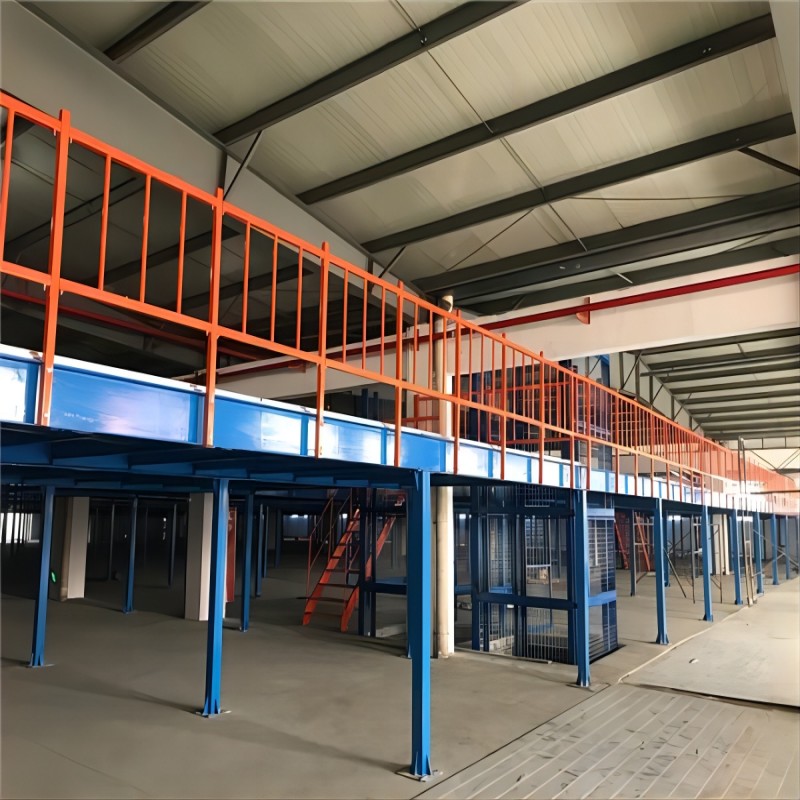
Procurement requires a strict cost-benefit analysis. Used racks offer immediate availability. They provide a 30-40% upfront savings compared to newly manufactured steel. This helps stretch facility upgrade budgets. However, used materials carry unknown histories. You inherit any previous structural stress, metal fatigue, or hidden damage.
New racks provide manufacturer warranties. You get exact specifications tailored to your facility. You guarantee structural integrity from day one. Lead times for new steel are longer, often stretching from 4 to 8 weeks, but the reliability is absolute.
You must establish criteria for identifying reputable local liquidators. Good liquidators inspect, clean, and grade their pallet rack solutions. They discard damaged components. Scrap dealers simply buy and flip compromised materials without any quality control. Ask local vendors about their intake inspection process. If they cannot explain their grading criteria, walk away.
Understand the use cases for different manufacturing styles. Off-the-shelf, roll-formed teardrop racking dominates the market. It offers high interchangeability. You can easily adjust beam levels without tools. It suits standard palletized goods perfectly and is widely available in local supplier yards.
Structural steel racks use hot-rolled channels bolted together. They provide maximum durability in harsh environments. Cold storage facilities and high-traffic beverage distributors rely on structural steel. It withstands forklift impacts far better than roll-formed teardrop designs, though it requires more labor to install and adjust.
Integration of safety components accommodates unique SKU profiles. Customized warehouse shelving requires specific accessories to function safely and efficiently.
Wire Decking: Prevents loose cartons from falling and allows sprinkler water to pass through to lower levels.
Column Protectors: Shield the vulnerable base of upright frames from direct forklift strikes, preventing structural failure.
Row Spacers: Keep back-to-back rows perfectly aligned, tying them together for increased stability.
Safety Netting: Catches falling debris in high-traffic pedestrian zones or above active work cells.
Custom Bins: Organize small parts and loose components efficiently for rapid order fulfillment.
Standard selective racks do not fit every product. Specialized systems handle difficult inventory. Cantilever racks store long, bulky items. Lumber, steel piping, and oversized furniture require open-face storage. Cantilever arms support these loads without front columns getting in the way, allowing forklifts to load wide materials easily.
Evaluate the local availability of complex, high-density industrial warehouse racks. Drive-in systems maximize space for LIFO inventory by eliminating aisles. Push-back systems use nested carts on inclined rails for faster loading. Pallet flow racks use gravity rollers for strict FIFO rotation. These complex systems require specialized local engineering support. They demand precise installation tolerances to function correctly, as even a slight slope miscalculation will cause pallets to jam.
Differentiate between transactional equipment brokers and full-service material handling integrators. Brokers simply buy and sell steel. They drop-ship materials and disappear, leaving you to figure out the assembly and permitting. Full-service integrators bring decades of proven industry expertise to your facility.
A reliable warehouse rack supplier provides immense operational value. They offer in-house CAD layout design. They engineer your workflow to minimize forklift travel time. They provide long-term maintenance support and annual safety audits. Partnering with an integrator ensures your storage system scales alongside your business, adapting to new product lines and increased throughput.
Never let untrained warehouse staff assemble heavy-duty steel. Utilizing a supplier's certified, insured installation crew mitigates your liability. Professional installers ensure plumb and level assembly. They use laser levels and proper steel shimming techniques to compensate for uneven concrete floors. This guarantees OSHA compliance from day one.
Evaluate the supplier’s historical track record with local municipalities. Permitting processes are notoriously complex. Your vendor must successfully navigate local building codes, fire marshal reviews, and final inspections. A vendor who handles the permitting paperwork, submits the stamped engineering drawings, and meets the inspectors on-site saves you weeks of administrative headaches.
Assess the importance of a supplier's on-hand local inventory. Facility build-outs operate on tight schedules. Waiting on backordered beams halts your entire operation. A vendor with a well-stocked local yard prevents project delays, allowing you to pull materials exactly when the installation crew needs them.
Evaluate their ability to source replacement parts quickly. Forklift damage happens regardless of how well you train your drivers. You need replacement uprights fast to bring damaged aisles back online. Check their capacity to supply add-on components. As your inventory grows, you will need to scale the system. Your local vendor must support future warehouse expansions seamlessly without forcing you to switch brands.
Mixing different manufacturer brands creates severe structural risks. You might find Ridg-U-Rak, Steel King, and Interlake components in the same yard. Even within "universal" teardrop styles, pin shapes and slot angles vary slightly. Forcing incompatible beams into uprights compromises the locking mechanism. The system will fail under heavy loads, leading to catastrophic inventory loss and potential injuries.
Standardize the storage system to a single manufacturer profile. Never mix brands in the same row. Strictly document exact specifications, including brand, style, steel gauge, and color. Use this documentation for all future procurement to maintain absolute compatibility across your entire facility.
Installation failures cause catastrophic accidents. Improper concrete anchoring is a primary culprit. Using the wrong size wedge anchors or drilling too close to slab joints weakens the foundation. Un-plumb uprights shift the center of gravity, causing premature buckling. Missing safety drop pins allow beams to dislodge during forklift loading. Incorrect beam seating creates uneven load distribution.
Require phased installation plans. Do not tear down your entire facility at once. Use strict project management to maintain ongoing warehouse operations. Keep inventory flowing in active zones while installers work in cordoned-off areas. Mandate a final walkthrough inspection, checking every anchor bolt torque and safety pin, before loading any pallets onto the new steel.
Conduct an immediate audit of your current facility dimensions, including clear ceiling heights, column spacing, and concrete slab thickness.
Calculate your maximum pallet load requirements, factoring in a strict 20% safety margin for operational variances.
Request on-site evaluations and CAD layout proposals from three vetted local material handling integrators.
Physically visit the shortlisted suppliers' yards to inspect their inventory quality, verify steel gauges, and confirm their operational capacity firsthand.
A: Used inventory is typically available immediately and can be delivered within a few days. New, standard roll-formed components usually take 2 to 4 weeks. Highly customized structural steel or engineered high-density systems can require 8 to 12 weeks for manufacturing, engineering approval, and delivery.
A: Yes, provided the materials undergo a rigorous physical inspection. You must verify there is no severe rust, upright deflection, baseplate damage, or unauthorized field welding. Always purchase used materials from reputable integrators rather than scrap dealers to ensure structural integrity.
A: Weigh your heaviest fully loaded pallet. Multiply that weight by the number of pallets per beam level. Add a 20% safety margin. Ensure the beam pair is rated for this Uniformly Distributed Load (UDL). Also, verify your concrete slab can support the resulting point loads.
A: Yes, most municipalities require building permits for commercial racking systems over 8 feet tall. You will need engineered drawings stamped by a professional. You must also pass fire marshal inspections regarding sprinkler clearances, flue spaces, and emergency egress routes.
A: Roll-formed racks are manufactured by cold-rolling flat steel into teardrop shapes. They are highly adjustable and cost-effective. Structural steel racks use hot-rolled steel channels bolted together. They are significantly heavier, more durable, and designed to withstand severe forklift impacts.
A: Use cantilever racks when storing long, bulky, or oddly shaped items that do not fit on standard pallets. Common applications include lumber, steel pipes, tubing, sheet metal, and oversized furniture. The open-face design allows unobstructed access for forklifts.
A: No. Mixing brands is highly dangerous. Even if components appear to have a universal teardrop design, slight variations in pin angles and slot sizes exist. Forcing incompatible parts together compromises the locking mechanism and severely reduces the system's load-bearing capacity.


