

Views: 0 Author: Site Editor Publish Time: 2026-09-28 Origin: Site


High-density racking systems maximize vertical storage but create severe lighting challenges. They turn aisles into deep, shadowed canyons that compromise safety and operational efficiency. Traditional omnidirectional lighting wastes lumen output on the tops of racks. It fails to deliver adequate vertical illumination down to the floor level in narrow aisles. This structural mismatch results in high energy costs, poor visibility for forklift operators, and frequent maintenance disruptions. Upgrading to specialized linear fixtures solves this problem directly. This guide evaluates how these specialized fixtures optimize light distribution and reduce operational overhead. We will look at how they ensure regulatory compliance and provide a measurable return on investment without relying on outdated omnidirectional technology.
Geometric Alignment: Linear high bays utilize specialized optics to cast rectangular light patterns, matching the footprint of warehouse aisles and eliminating wasted light on rack tops.
Enhanced Vertical Illumination: Proper linear LED specification drastically improves vertical foot-candles and color rendering, critical for reading labels and safe forklift navigation in high-density storage.
Operational ROI: Transitioning to linear fixtures reduces energy consumption by up to 70% while virtually eliminating routine maintenance costs associated with high-ceiling bulb replacements.
Risk Mitigation: Successful deployment requires upfront photometric planning to ensure correct beam angles, spacing, continuous-run wiring, and integration with occupancy sensors.
Defining specific lighting requirements for racked environments means understanding physical constraints. Facilities typically feature 20 to 40-foot ceilings. Aisle widths usually range from 6 to 10 feet, with Very Narrow Aisle (VNA) setups pushing even tighter tolerances. These dimensions create a unique architectural hurdle. Standard lighting solutions push light outward in a 360-degree radius. In an open floor plan, this works perfectly. In a racked facility, steel structures block the light path entirely.
This structural interference creates the canyon effect. Tall racking systems block ambient and omnidirectional light. They create hazardous shadow zones. High-contrast areas develop between well-lit upper shelves and dark floor levels. This extreme contrast causes severe eye fatigue for forklift operators. Drivers must constantly adjust their vision while scanning different elevations. Proper high ceiling warehouse lights must penetrate these narrow spaces effectively to maintain a safe working environment.
Horizontal floor illumination alone is insufficient for high-density storage. Horizontal foot-candles measure light hitting the floor. Vertical foot-candles measure light hitting the face of the racks. Vertical illumination is an absolute necessity. Warehouse staff rely on vertical light for scanning barcodes. They need it to read SKUs and identify inventory stacked on high shelves. Without adequate vertical light, picking accuracy drops. Operational bottlenecks occur rapidly when order pickers struggle to verify product labels in the shadows.
Environmental extremes further complicate lighting specifications. Unconditioned warehouses experience massive temperature fluctuations throughout the year. Cold storage and freezer facilities present even harsher conditions. Legacy lighting systems suffer from long warm-up times. They degrade rapidly in freezing temperatures. They fail to strike properly and lose lumen output quickly. This creates inconsistent lighting levels across the facility and forces maintenance teams to replace bulbs constantly.
Safety and compliance serve as the baseline for any facility upgrade. OSHA mandates specific illumination levels for warehouse operations. NFPA life safety codes dictate strict requirements for egress lighting during power failures. Failing to meet these standards exposes facility operators to severe liability risks. Inadequate aisle lighting directly correlates with increased forklift collisions. It leads to pedestrian accidents, damaged rack uprights, and costly worker compensation claims.
Facility managers must choose between omnidirectional round fixtures and directional linear fixtures. Round UFO high bays cast a circular light pattern. They perform exceptionally well in open manufacturing floors. They work great in staging areas and loading docks. However, deploying them in narrow aisles results in massive light loss. The circular beam hits the top of the racks. It illuminates dust and steel rather than the inventory below. Implementing linear high bay leds for high ceiling warehouses with racking solves this geometric mismatch.
Linear fixtures utilize aisle-specific lenses to control optical distribution patterns. Instead of a wide flood, these fixtures use narrow beam angles. Common configurations include 30° x 90° or 40° x 80°. This optical control pushes light down and along the length of the aisle. The rectangular light footprint exactly matches the floor plan of the aisle. Light penetrates all the way to the bottom rack levels. It does not spill over the top, ensuring every lumen generated serves a functional purpose.
Glare reduction plays a major role in operator safety. Forklift drivers spend a significant portion of their shift looking upward. They look up to retrieve pallets from high racks using reach trucks. Staring directly into raw LED diodes causes temporary blindness. It causes disorientation and slows down retrieval times. Linear fixtures incorporate diffused lenses and frosted optics. These soften the light source. This diffusion reduces eye strain. It prevents dangerous glare spikes when operators navigate upper rack levels.
The physical footprint of the fixture dictates installation flexibility. Linear fixtures typically come in 2-foot, 4-foot, or 8-foot lengths. This elongated design provides continuous, overlapping light coverage. Overlapping beams prevent dark spots and shadowing between fixtures. Furthermore, linear designs support continuous runs. Installers can daisy-chain multiple fixtures together end-to-end. This creates seamless aisle illumination from a single power drop, reducing the amount of conduit and wiring required during installation.
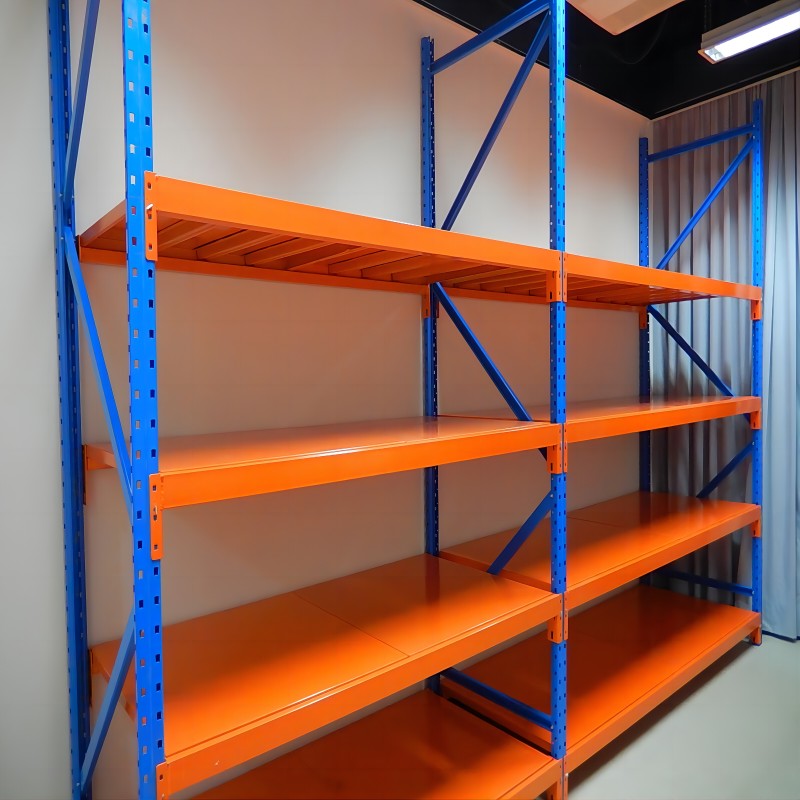
Calculating the required lumen package depends heavily on mounting height. A 20-foot ceiling generally requires fixtures producing between 15,000 and 20,000 lumens. Facilities with ceilings exceeding 30 feet demand high-output fixtures. These often push 30,000 lumens or more. Selecting the right output ensures adequate floor-level visibility. It prevents over-illuminating the space, which wastes electricity and creates unnecessary glare.
Efficacy measures how efficiently a fixture converts electricity into visible light. We express this as lumens per watt (LPW). High efficacy directly impacts operational savings. Premium fixtures target 140+ LPW. Specifying high-efficacy units ensures maximum light output. It keeps power draw to an absolute minimum, allowing facilities to run more fixtures on a single electrical circuit.
Aisle-specific optics define the performance of LED lights for warehouse racks. Narrow beam distributions trap the light and force it downward. This precision requires high-quality molded polycarbonate or acrylic lenses. These materials direct light precisely where needed without scattering it into adjacent aisles.
Lens material quality prevents long-term degradation. Inferior plastics yellow and become brittle. They degrade when exposed to heat and UV radiation over time. Yellowing lenses trap light. They reduce lumen output and alter color temperature. High-grade acrylics maintain optical clarity throughout the lifespan of the fixture, ensuring the light distribution remains consistent year after year.
Correlated Color Temperature (CCT) determines the visual warmth or coolness of the light. Warehouse environments benefit from cooler temperatures. We typically use 4000K or 5000K. These temperatures mimic natural daylight. Daylight-balanced lighting enhances worker alertness. It reduces melatonin production during night shifts. It improves overall facility safety by keeping equipment operators focused.
Color Rendering Index (CRI) measures how accurately a light source reveals true colors. A CRI above 80 is necessary for industrial applications. Accurate color differentiation is critical. Workers need it for reading color-coded inventory labels. They use it to identify hazardous material warnings. It ensures picking accuracy in fast-paced fulfillment centers where similar packaging can cause confusion.
Industrial environments expose fixtures to harsh conditions. Ingress Protection (IP) ratings indicate a fixture's resistance to dust and moisture. Facilities with open loading docks require IP65+ ratings. High particulate levels also demand this rating. This ensures internal components remain protected from dust accumulation and moisture ingress, preventing short circuits.
Impact Protection (IK) ratings measure mechanical durability. An IK08+ rating guarantees the fixture can withstand accidental impacts. Forklifts, shifting pallets, and maintenance equipment frequently bump ceiling fixtures. High IK ratings prevent shattered lenses. They protect exposed electrical components and keep glass from falling onto the warehouse floor.
Thermal management dictates the lifespan of LED diodes. Heat stratification occurs in high-ceiling environments. Hot air gets trapped near the roof deck. Extruded aluminum heat sinks pull heat away from internal components. Superior thermal dissipation prevents premature diode degradation. It stops driver failure and ensures the fixture reaches its rated lifespan.
Evaluation Metric | Standard Requirement | High-Performance Specification | Operational Impact |
|---|---|---|---|
Efficacy (LPW) | 110 - 130 LPW | 140+ LPW | Maximizes energy efficiency and reduces utility bills. |
Color Rendering (CRI) | CRI 70+ | CRI 80+ | Improves barcode scanning and label reading accuracy. |
Ingress Protection | IP40 (Dry only) | IP65+ (Dust/Water resistant) | Protects internal drivers from warehouse dust and humidity. |
Impact Rating | IK05 | IK08+ | Prevents damage from accidental pallet or forklift strikes. |
Beam Angle | 120° (Omnidirectional) | 30°x90° or 40°x80° (Linear) | Pushes light down narrow aisles instead of rack tops. |
Integrating aisle-by-aisle occupancy sensors maximizes energy efficiency. Passive Infrared (PIR) or Microwave sensors detect motion within specific zones. Low-traffic aisles remain dimmed or off until a forklift enters. The lights instantly ramp up to 100% brightness. They provide light only when and where it is needed, drastically cutting wasted electricity.
Daylight harvesting utilizes ambient sunlight to offset electrical loads. Warehouses equipped with skylights benefit heavily from this technology. Photosensors monitor natural light levels. They automatically dim the LED fixtures to maintain a consistent foot-candle reading on the floor, blending artificial and natural light seamlessly.
Networked lighting controls provide facility managers with granular data. These systems monitor facility-wide energy consumption. They allow for automated scheduling. Managers can adjust dimming profiles. They can change sensor timeouts and track maintenance alerts from a centralized dashboard without ever stepping onto a scissor lift.
Emergency Battery Backup (EMB) integration ensures life safety compliance. Integrating 90-minute emergency drivers directly into linear fixtures eliminates the need for separate emergency wall packs. During a power outage, fixtures automatically switch to battery power. They maintain safe egress lighting for personnel evacuation, keeping the facility compliant with local fire codes.
Switching from legacy HID or fluorescent systems to modern LEDs yields massive energy cost reductions. The baseline savings often exceed 50% just from the technology upgrade. When combined with targeted linear optics and occupancy sensors, total energy consumption drops by up to 70%. These compounding efficiencies make upgrading warehouse lighting solutions one of the fastest payback projects in facility management. The reduction in electrical load also eases the strain on the building's main breaker panels.
Maintenance elimination provides a hidden but substantial financial return. Legacy lighting requires frequent bulb and ballast replacements. Servicing fixtures at 30 feet requires renting scissor lifts. It requires allocating maintenance labor and shutting down active aisles. LED fixtures boast lifespans of 50,000 to 100,000 hours. This longevity virtually eliminates operational downtime associated with routine lighting maintenance. Maintenance crews can focus on conveyor systems and material handling equipment instead of changing light bulbs.
Improved visibility directly impacts productivity and error reduction. Shadows and poor color rendering lead to picking errors. They cause slow barcode scanning. Bright, uniform vertical illumination allows workers to read SKUs instantly. Faster picking times and reduced error rates translate directly into higher fulfillment volume. They improve operational margins and reduce the cost of processing returns due to mispicks.
Navigating utility rebates accelerates the payback period. Many local power companies offer substantial cash incentives for energy-efficient upgrades. Specifying fixtures with DesignLights Consortium (DLC) Premium listings ensures qualification for the highest tier of utility rebates. These incentives often cover a significant portion of initial hardware costs, making the capital expenditure much easier to justify to ownership.
Improper spacing and layout present a major implementation risk. Guessing fixture placement leads to dark spots. It causes severe glare and wasted energy. Mandating a professional photometric study prior to purchase mitigates this risk entirely. A photometric layout models exact foot-candles. It calculates uniformity ratios and glare metrics based on specific dimensions of the racking system. This ensures the light hits the floor exactly as intended before a single fixture is hung.
High installation labor costs can derail project budgets. Traditional hardwiring at 30 feet is slow and expensive. Specifying daisy-chainable linear fixtures solves this problem. Utilizing plug-and-play wiring whips allows electricians to connect multiple fixtures rapidly. This modular approach drastically reduces electrical labor hours. It accelerates the overall installation timeline and gets the facility back to full operational capacity faster.
Sensor misconfiguration causes operational frustration. If lights turn off while a worker is still in the aisle, safety is compromised. Selecting sensors with adjustable time-delays and sensitivity settings is critical. Installers must calibrate sensors to match mounting height. They must account for the average speed of forklift traffic in that specific facility. A reach truck moving at 5 mph requires a different sensor sensitivity than a pedestrian picking orders on foot.
Mounting and structural incompatibilities delay deployment. Existing ceiling infrastructure varies wildly between buildings. Auditing the roof deck determines the correct mounting hardware required. Whether using aircraft cable, heavy-duty chain, pendant pipes, or surface mounts, hardware must ensure fixtures hang perfectly level. They must be parallel to the aisles. Misaligned fixtures ruin the optical distribution pattern and throw light directly into the steel racks.
Facility downtime during installation disrupts fulfillment operations. Shutting down active aisles costs money. Phased installation planning minimizes this disruption. Contractors should work during off-shifts or weekends. Utilizing quick-connect hardware and pre-assembled mounting brackets allows installation teams to move swiftly. They can work through the facility without halting warehouse operations. Upgrading to industrial warehouse LED lighting requires careful planning. Executing these mitigation strategies guarantees a smooth deployment and immediate operational improvements.
Request a comprehensive facility audit to document existing ceiling heights, aisle widths, and power drop locations before selecting any fixtures.
Commission a customized 3D photometric layout from a qualified lighting manufacturer to establish an accurate baseline for required lumen output and fixture spacing.
Evaluate local utility rebate programs and verify that all shortlisted fixtures carry DLC Premium certifications to maximize financial incentives.
Conduct a pilot installation in a single high-traffic aisle to verify sensor calibration, glare reduction, and vertical foot-candle improvements before facility-wide deployment.
A: Linear high bay LEDs equipped with narrow beam optics are the best choice. They direct light down the aisle and onto the vertical faces of the racks. This prevents wasting illumination on the top shelves and ensures clear visibility for forklift operators navigating narrow spaces.
A: A 30-foot ceiling in a racked warehouse typically requires fixtures producing between 24,000 and 35,000 lumens. The exact requirement depends on the target foot-candles at floor level, the spacing of the aisles, and the reflectivity of the floor and stored inventory.
A: UFO high bays cast a circular, omnidirectional light pattern ideal for open floor plans. Linear high bays cast a rectangular pattern optimized for long, narrow spaces. This makes linear fixtures the superior choice for illuminating warehouse aisles without wasting light on rack tops.
A: They use standard industrial mounting options like V-hooks with aircraft cable, chains, or pendant pipes. However, installers must align them perfectly parallel to the racking. Proper alignment ensures the optical distribution functions correctly and pushes light straight down the aisle.
A: High-bay occupancy sensors use passive infrared or microwave technology to detect motion in specific aisles. They bring high bay warehouse lighting to 100% brightness when a forklift enters. They automatically dim or turn off the fixtures after a set period of vacancy to conserve energy.
A: Yes. Unlike legacy fluorescent or HID lights that struggle to turn on in freezing temperatures, LEDs thrive in cold environments. They turn on instantly and often experience extended lifespans due to natural thermal cooling provided by the freezer environment.
A: A photometric study is a 3D computer simulation that models the warehouse dimensions, racking layout, and fixture specifications. It predicts exact light levels and uniformity, ensuring compliance with safety standards before any physical installation begins.


