

Views: 0 Author: Site Editor Publish Time: 2026-09-21 Origin: Site


Procuring warehouse shelving without a localized strategy introduces hidden financial and operational risks. Facility managers often face exorbitant freight costs, delayed lead times, and strict non-compliance penalties regarding local building codes. You must balance immediate availability, strict load capacity requirements, and spatial optimization. Minimizing operational downtime remains a primary objective during any facility upgrade. Searching for heavy duty warehouse shelving near me represents a systematic, engineering-first framework rather than a simple geographic preference. You need to evaluate local suppliers, compare structural materials, and mitigate implementation risks effectively. Upgrading your facility requires precision. Choosing the right components ensures safety, maximizes your storage footprint, and keeps your supply chain moving without interruption.
Sourcing locally significantly reduces freight costs and lead times while ensuring compliance with regional seismic and fire safety codes.
Accurate load capacity calculations must account for dynamic loads, point loads, and future scalability, not just static weight averages.
Selecting between steel, wire, and specialized racking depends entirely on inventory turnover rates, material handling equipment (MHE) clearances, upfront cost vs. ROI, and environmental factors.
Converting pallet racks with specialized decking (wire, solid, or composite) offers a versatile hybrid solution for handling both bulk pallets and small items.
A reliable warehouse shelving supplier should offer end-to-end services, including site audits, permitting assistance, and professional installation.
Understanding load capacity goes beyond reading a manufacturer label. You must differentiate between a Uniformly Distributed Load (UDL) and point loading. UDL assumes your inventory weight spreads evenly across the entire shelf surface. Point loading occurs when heavy, dense items rest on a small, concentrated area. This concentration creates immense stress on specific steel beams. A shelf rated for 2,000 pounds UDL might fail if a 1,500-pound engine block sits dead center. You must calculate the exact footprint of your heaviest items.
You also need to factor in dynamic loads. Static weight is stationary. Dynamic loads include the sudden impact force generated when a forklift drops a heavy pallet onto the rack. This downward force temporarily exceeds the actual weight of the goods. Always select a heavy duty warehouse shelving system with a capacity that safely exceeds your heaviest expected load. Over-engineering your capacity calculations prevents catastrophic structural failures. Consider the weight of the pallets themselves. A standard GMA wooden pallet adds roughly 40 to 50 pounds to your total load. When stacking multiple levels high, this dead weight accumulates rapidly.
Matching shelf depth, width, and height profiles to your specific inventory dimensions prevents hazardous product overhang. Forklifts can easily clip overhanging pallets, causing severe accidents and product damage. Conversely, shelves that are too deep for your products create wasted dead space. You pay for warehouse real estate by the square foot. Wasting volume reduces your operational efficiency. Standard pallet racks typically run 42 inches deep to accommodate a 48-inch deep pallet, allowing a safe 3-inch overhang on the front and back.
Analyze your SKU velocity and physical sizes before ordering. Fast-moving items require accessible, ergonomic shelf heights. Bulky, slow-moving goods belong on higher, deeper racks. This profiling dictates your optimal shelving style and configuration. Customizing dimensions ensures every cubic inch serves a distinct, profitable purpose. Slotting analysis helps determine beam spacing. If your pallets are 48 inches tall, setting beam levels at 60 inches wastes a foot of vertical space per level. Tightening these clearances allows you to add extra storage levels within the same vertical footprint.
Calculating your cubic storage footprint requires measuring the storage area carefully. You must evaluate the trade-offs between high-bay shelving and expanding your floor footprint. Going up utilizes existing vertical space, delaying the need for facility expansion. Going out requires more concrete floor space but keeps inventory closer to the ground for faster manual picking. High-bay systems require specialized lift equipment and stricter floor flatness tolerances.
Mapping out facility obstructions is a mandatory step. Document the exact locations of building columns, HVAC ducts, lighting fixtures, and sprinkler heads. Fire codes mandate specific clearances between the top of your stored goods and the sprinkler deflectors, usually 18 to 36 inches. These elements dictate maximum rack heights and aisle placements. Calculate precise aisle width requirements based on your specific material handling equipment. Reach trucks operate efficiently in narrow aisles of 8 to 10 feet. Standard counterbalance forklifts require significantly wider turning radii, often needing 12 to 14 feet of clear aisle space.
Your concrete slab dictates the ultimate safety of your racking system. You must verify concrete slab thickness and PSI (pounds per square inch) ratings. Heavy loads transfer immense pressure through the upright frames directly into the floor. A thin or weak slab will crack under this concentrated pressure. Most heavy-duty applications require a minimum 6-inch slab with a 3,000 to 4,000 PSI rating.
Leveling requirements also play a major role. Uneven floors cause racking to lean, compromising structural integrity. Installers use steel shim plates to plumb the uprights. Existing facility constraints dictate the specific anchoring methods and base plates you need. Larger base plates distribute weight over a wider area, protecting weaker concrete. Proper anchoring secures heavy duty metal racks against forklift impacts and seismic events. Standard installations use half-inch wedge anchors embedded at least three inches into the concrete. In seismic zones, you might need larger diameter anchors or epoxy-set bolts for superior pull-out resistance.
Choosing the right material impacts both daily operations and long-term budgets. Solid steel shelving provides maximum weight capacity and extreme durability. It excels at storing small, heavy parts that might slip through wire gaps. Solid steel decks handle sliding metal bins and heavy hardware without bending. However, solid steel blocks overhead lighting, creating dark aisles that require supplemental illumination.
Wire shelving offers excellent ventilation and cleanliness. Dust falls right through the gaps, reducing maintenance. More importantly, wire decking ensures fire code compliance by allowing water penetration from overhead sprinklers. While wire shelves have lower maximum point-load limits than solid steel, they deliver a highly cost-effective return on investment for standard inventory. Waterfall wire decks wrap over the edge of the load beam, securing the deck in place and preventing it from falling through under heavy loads.
Feature | Solid Steel Shelving | Wire Shelving |
|---|---|---|
Weight Capacity | Exceptionally high; ideal for dense, heavy parts and point loads. | Moderate; suitable for standard carton storage and uniform loads. |
Fire Code Compliance | Can block sprinkler water distribution; may require in-rack sprinklers. | Excellent; allows full water penetration from ceiling sprinklers. |
Maintenance | Collects dust and requires regular wiping and sweeping. | Self-cleaning; dust and debris fall through the wire mesh gaps. |
Lighting Impact | Blocks overhead light, creating shadows in lower picking levels. | Allows light to pass through, improving visibility for order pickers. |
Rivet or boltless shelving offers rapid assembly and high structural integrity for hand-loaded goods. Workers can adjust shelf heights quickly using a rubber mallet without specialized tools or hardware. Teardrop or structural pallet racking serves a completely different purpose. It handles mechanized loading from forklifts and supports massive palletized weight. Structural racking uses hot-rolled C-channel steel and heavy-duty bolts, making it highly resistant to forklift impacts. Teardrop racking uses roll-formed steel and a rivet-and-slot connection, offering easier adjustability.
Many facilities implement hybrid solutions. You can convert the lower levels of pallet racks into industrial storage shelves for manual order picking. This keeps bulk reserve storage up high and fast-picking items at ground level. When converting these levels, evaluate your decking options carefully. Wire decking suits standard boxes. Solid steel supports heavy, oddly shaped dies or motors. Composite or resin decking provides a smooth surface for sliding heavy boxes without snagging on wire mesh.
Standard racking cannot hold everything. Cantilever racks feature arms extending from a central column. They eliminate front obstructions entirely. This design perfectly accommodates long, unwieldy items like lumber, steel piping, PVC tubes, and oversized aluminum extrusions. You can configure cantilever racks as single-sided units against a wall or double-sided units in the middle of an aisle. The arms adjust vertically to accommodate different bundle sizes.
High-bay and narrow-aisle configurations require strict engineering prerequisites. These systems maximize vertical space but demand perfectly level floors. A slight floor variance of a quarter-inch translates to several inches of lean at the top of a 30-foot rack. They also require specialized wire-guided or rail-guided forklifts to navigate the tight aisles without striking the frames. Implementing these specialized warehouse storage solutions involves rigorous planning, precise execution, and specialized installation crews.
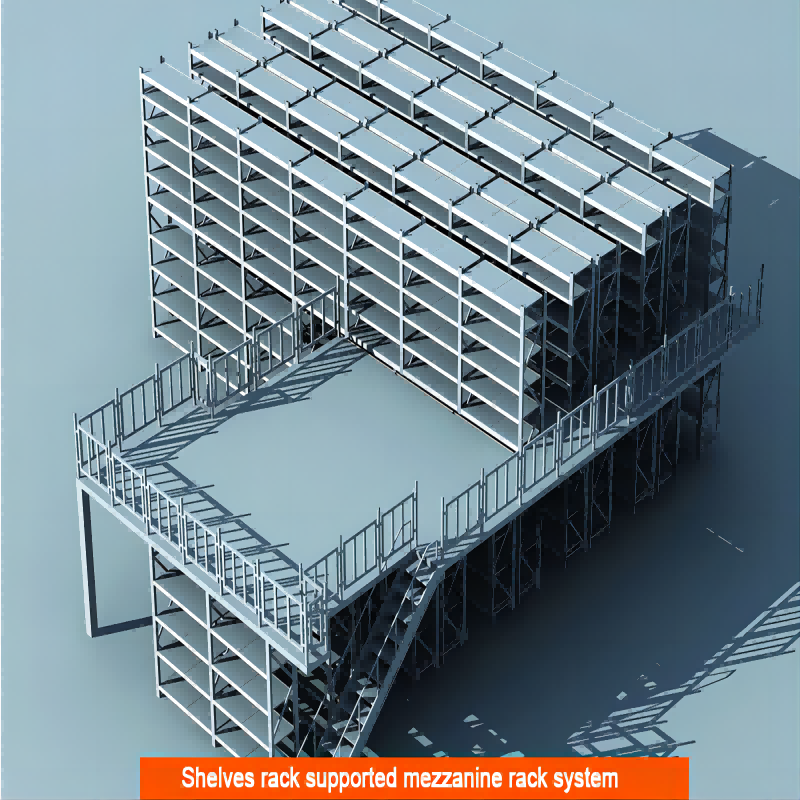
Shipping heavy steel across the country destroys procurement budgets. Steel beams and uprights weigh thousands of pounds. Less-Than-Truckload (LTL) and Full-Truckload (FTL) freight costs escalate rapidly over long distances. Flatbed trailers charge premium rates for heavy, oversized loads. Proximity drastically reduces these transportation expenses. You can often arrange local pickup using your own flatbed trucks, eliminating third-party freight carriers entirely.
Local inventory availability also mitigates supply chain delays. When a forklift damages a lower beam, you need a replacement immediately to restore that storage location. Waiting weeks for an out-of-state shipment halts your operations and creates bottlenecks on your receiving dock. Sourcing locally accelerates project timelines, allowing you to install and utilize your new racking much faster. Local suppliers maintain stock of common teardrop beam lengths and upright heights for immediate dispatch.
Municipalities classify industrial shelving as a building structure. Installation requires official permits and engineering calculations. Building codes vary wildly depending on your geographic location. A rack designed for a low-risk zone in Florida will fail seismic compliance tests in California or the Pacific Northwest. Seismic zones dictate the size of the base plates, the thickness of the steel, and the type of concrete anchors required.
Local suppliers inherently understand regional seismic zones. They know the exact fire codes, high-pile storage regulations, and municipal permitting processes required in your city. They know what the local fire marshal looks for during an inspection, such as proper longitudinal and transverse flue spaces. Partnering with a local expert reduces legal liabilities and ensures your facility passes all safety inspections on the first attempt without costly rework.
Buying the steel is only half the battle. You need professional installation. Having a local crew ensures rapid deployment and precise anchoring. Local installers understand the nuances of your regional concrete standards. They arrive with the correct rotary hammer drills, laser levels, and heavy-duty lifting equipment. They know how to properly shim uprights on uneven warehouse floors to ensure the entire row remains perfectly plumb.
Racking requires ongoing post-installation safety audits. A local team can dispatch inspectors quickly if a forklift damages a frame. This immediate access to repair services keeps your warehouse compliant and your employees safe. They can install rack repair kits, which involve cutting out the damaged lower section of an upright and bolting in a heavy-duty replacement leg, saving you the hassle of dismantling the entire bay.
Do not buy from a supplier who only pushes standard catalog sizes. Look for a technical team capable of producing detailed CAD layouts. They should provide structural engineering sign-offs for your specific configuration. A Professional Engineer (PE) stamp guarantees the system meets all local building codes and load requirements. The supplier should visit your site, take physical measurements, and identify potential layout conflicts before ordering materials.
Custom fabrication capabilities are essential. Your facility might have unique column spacing or unusual inventory dimensions. A competent warehouse shelving supplier will engineer custom sizes and styles to maximize your exact spatial footprint. They can fabricate custom row spacers to navigate around building columns or design specialized drum cradles for storing liquid barrels.
Industrial racking represents a significant capital investment. Outline standard warranty expectations before signing a purchase order. Warranties should cover manufacturing defects, weld failures, and structural integrity under normal use. Verify if the warranty covers the finish, as cheap paint jobs will flake and expose the raw steel to rust.
Ask about local, ongoing maintenance contracts. Racks take abuse from daily forklift traffic. Routine safety compliance inspections identify bent braces, missing safety pins, and sheared anchor bolts before they cause a collapse. Reliable after-sales support ensures your system remains safe for decades. The supplier should offer protective accessories like column guards, end-of-aisle protectors, and heavy-duty bullnose guards to defend against inevitable forklift impacts.
The market is flooded with low-quality imports. You must know how to spot them. Use this checklist to identify inferior products before they compromise your facility:
Lack of Rack Manufacturers Institute (RMI) certification or testing documentation.
Undocumented or unverified steel gauge thickness.
Vague load rating methodologies that ignore dynamic forces and seismic requirements.
Paint that chips easily, indicating poor powder-coating processes or lack of surface preparation.
Unusually lightweight upright frames that feel flimsy before assembly.
Missing safety clips or poorly designed beam-to-frame locking mechanisms.
Tearing down old racks and installing new ones disrupts workflow. You cannot afford to shut down your entire facility. Detail phased installation strategies to keep the warehouse operational. Isolate specific zones for teardown while shifting picking operations to temporary locations. Erect temporary barricades to separate the active construction zone from your forklift traffic.
Coordinate delivery schedules tightly with the installation crew. Do not let unassembled steel clutter your loading docks for days. Stage materials outside or in designated dead zones to maintain clear forklift traffic aisles. Bring the steel inside only when the installers are ready to erect that specific row. This just-in-time staging approach prevents bottlenecks and keeps your shipping and receiving departments functioning normally.
New racking systems introduce new operational rules. You must train warehouse staff on the updated load limits. Post clear capacity placards at the end of every aisle. These placards must state the maximum load per level and the maximum load per bay. Never allow operators to guess the weight limits.
Teach proper loading techniques. Forklift operators must understand how to place pallets squarely on the beams without dropping them or pushing them too far back. Pushing a pallet too far compromises the longitudinal flue space, violating fire codes. Train your team to identify and report rack damage immediately. A culture of safety prevents minor dents from becoming major disasters. Implement a strict reporting system where operators face no penalties for reporting accidental rack impacts.
Schedule a professional site audit to map facility obstructions and measure exact aisle dimensions.
Gather precise inventory weights, SKU dimensions, and pallet profiles to determine your required beam capacities.
Verify your concrete slab thickness and PSI rating with your building owner or structural engineer.
Issue a detailed Request for Quote (RFQ) to vetted local suppliers who provide PE-stamped drawings.
Establish a phased installation timeline that isolates construction zones from active forklift traffic.
A: Standard capacities range from 2,500 to 8,000 pounds per beam level, depending on the steel gauge, beam length, and face profile. You must calculate this based on a Uniformly Distributed Load (UDL). Always apply strict safety factors to account for dynamic forklift impacts and the dead weight of the pallets themselves.
A: Yes, in almost all municipalities. High-density shelving is legally classified as a building structure. Permitting depends heavily on local municipal codes, overall rack height restrictions, high-pile storage fire regulations, and the specific seismic zone of your facility. Operating without a permit risks heavy fines and forced teardowns.
A: Roll-formed teardrop racking costs less upfront and adjusts easily, making it ideal for standard weight loads and hand-picking. Structural racking uses hot-rolled C-channel steel and bolted connections. It offers superior impact resistance and long-term durability, making it mandatory for high-traffic, heavy-duty forklift environments and freezer applications.
A: No. Mixing components from different manufacturers voids warranties and violates RMI compliance. Even if teardrop connections appear visually similar, the engineering tolerances and steel yields differ. Mixing parts creates severe structural safety risks, unpredictable load capacities, and massive liability issues if a collapse occurs.
A: Industry standards require warehouse staff to conduct visual inspections weekly to spot obvious forklift damage, missing safety pins, or bent braces. You must also hire an independent, professional rack safety inspector to conduct a comprehensive structural audit at least once every 12 months to maintain compliance.


