

Views: 0 Author: Site Editor Publish Time: 2026-07-22 Origin: Site


Warehouse racking dictates operational throughput, facility safety, and long-term scalability. Procurement teams often struggle to navigate a fragmented market. Differentiating genuine manufacturers from white-label distributors proves difficult. This confusion leads to severe risks. You might face substandard steel, non-compliant engineering, or hidden logistical hurdles. Approaching this procurement process requires a systematic, evidence-based framework. You must evaluate engineering capabilities, material quality, and risk mitigation strategies. Selecting the right partner ensures your facility operates safely and efficiently for decades. We will break down the exact technical specifications and operational requirements you need to evaluate before signing a purchase order.
Approaching vendors without finalized internal specifications creates immediate problems. It leads to inaccurate quoting and misaligned storage solutions. You will inevitably face costly change orders during installation. Suppliers need precise data to engineer safe structures. Guessing your load capacities or aisle dimensions guarantees project failure. Define your operational parameters before requesting a single proposal. A structural engineer cannot design a safe base plate if they do not know the exact point load of your heaviest pallet. You must gather hard data from your warehouse floor.
A comprehensive SKU and pallet audit forms your foundation. You must document current and projected SKUs. Measure exact pallet dimensions and calculate maximum load weights. These figures dictate the structural integrity required for your frames and beams. Do not rely on average weights. You must engineer the system for the absolute maximum load that could ever be placed in a single bay. Failure to do so results in beam deflection and potential catastrophic collapse.
Material handling equipment alignment is equally critical. Coordinate your rack design directly with your forklift fleet specifications. Counterbalanced lifts, reach trucks, and Very Narrow Aisle machines require vastly different operating clearances. Establish precise aisle width requirements based on your specific equipment turning radius. You must also account for the maximum lift height of your current fleet. Buying racking that extends ten feet higher than your reach trucks can operate is a massive waste of capital.
Space and height utilization determine your overall storage capacity. Building clearances dictate permissible frame heights. You must account for fire sprinkler systems, overhead lighting, and structural building columns. Local fire codes strictly regulate the distance between the top pallet load and roof sprinklers. You also need to verify your concrete slab thickness. A standard six-inch slab might not support the point loads generated by a forty-foot tall high-density system.
Selecting the right system requires balancing density against accessibility. A vendor's catalog depth must match your facility's specific ratio needs. Selective racking offers high accessibility but lower density. Drive-In and Push-Back systems maximize density while sacrificing immediate SKU access. Automated Storage and Retrieval Systems provide high density and rapid throughput. You must map your inventory velocity to the correct system type.
Inventory velocity profiles limit your system choices. First-In, First-Out requirements necessitate specific flow solutions like pallet flow racks. Last-In, First-Out models allow for deeper storage lanes like drive-in systems. Your chosen warehouse rack supplier must possess the technical capability to engineer these specific flow dynamics. They need to demonstrate how their specific roller tracks or push-back carts handle your exact pallet type and weight.
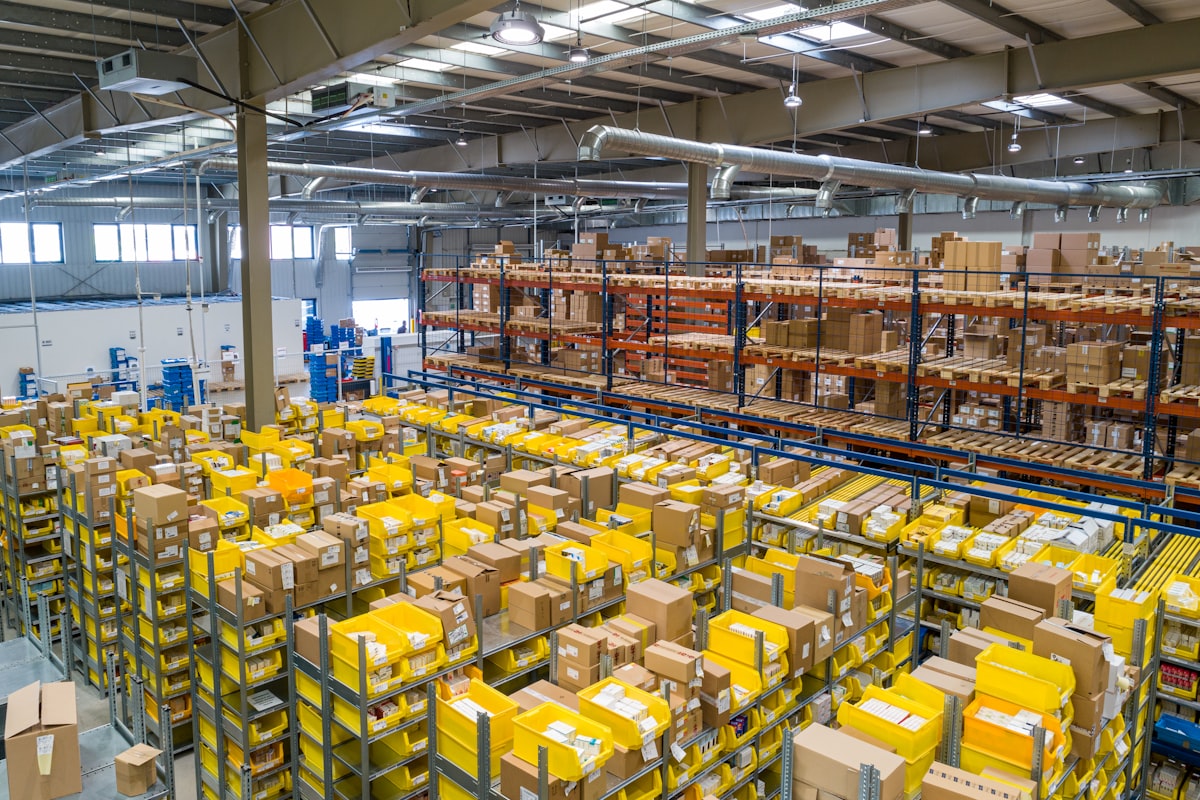
Understanding the vendor landscape helps buyers identify true sources. You must know exactly who you are purchasing from. Different vendor types operate on different margins and offer varying levels of support. Breaking down these categories clarifies your procurement strategy. You need to decide if you want to manage the project internally or pay a premium for turnkey management.
Original Equipment Manufacturers fabricate the steel directly. They offer lower direct capital costs by eliminating middlemen. You gain complete control over custom engineering. OEMs provide transparent mill certifications and direct warranty resolution. However, they often require higher minimum order quantities. Lead times stretch longer for custom production runs. Buyers usually must coordinate their own local installation teams. Working directly with an OEM requires a strong internal project management team to handle logistics and site coordination.
Integrators provide turnkey project management. They leverage local installation networks and offer permitting assistance. You gain faster access to standard replacement parts. The trade-off involves higher markups. You might face reduced transparency regarding the actual origin of the steel. They also offer limited custom engineering flexibility compared to direct manufacturers. Integrators add value through software integration and complex automation coordination, but for standard static racking, you are paying a heavy premium for their management layer.
| Supplier Type | Primary Advantage | Primary Disadvantage | Best Use Case |
|---|---|---|---|
| Direct OEM | Lowest capital cost, custom engineering | High minimum orders, longer lead times | Large-scale facilities, custom layouts |
| System Integrator | Turnkey management, local support | Higher markups, less steel transparency | Complex automated systems, fast timelines |
| Local Distributor | Immediate availability of standard parts | Limited custom options, highest unit margin | Small expansions, emergency repairs |
International sourcing offers immense strategic value. It provides significant cost benefits for large-scale, high-bay, or complex projects. Partnering with a reliable warehouse rack supplier China requires strict due diligence. You must verify their automated production lines. Look for robotic welding and continuous roll-forming capabilities. Ensure they hold direct raw material sourcing contracts with tier-1 steel mills. Verify their proven export market experience. They must understand customs clearance and international logistics. Demand proof of ISO 9001 and ISO 14001 certifications. You should also request video tours of their manufacturing facility to confirm their production capacity and quality control checkpoints.
A generic supplier introduces unnecessary operational risk. Different verticals demand highly specialized engineering. Cold storage and freezers require specific high-strength steel grades. They need specialized powder coatings to prevent embrittlement and corrosion in sub-zero environments. Standard paint will flake and fail rapidly in a blast freezer. Food, beverage, and pharmaceutical facilities demand strict hygiene compliance. They require washdown-ready structures for regulated environments. E-commerce and high-velocity retail rely on high-density integrations. They need complex multi-level pick modules with integrated conveyor supports.
Always audit a vendor's references and case studies. Request verified installations with a similar footprint. Analyze their experience with your specific operational velocity and load profile. Contact past clients to verify structural performance and post-installation support. Ask those references specifically about how the vendor handled missing parts or engineering revisions during the installation phase.
Robust in-house engineering teams separate top-tier manufacturers from basic fabricators. Evaluate their capability to provide detailed CAD layouts. They should offer 3D structural modeling and finite element analysis. This ensures the proposed design safely handles your specific dynamic loads. You want to see their engineering calculations for beam deflection and upright buckling under maximum load conditions.
Environmental and seismic design capabilities are non-negotiable. Vet their ability to engineer systems for high seismic activity zones. Outdoor or clad-rack structures require precise wind load calculations. They must also engineer base plates to accommodate your specific floor slab capacity limitations. If your slab is thin, they need to design oversized base plates to distribute the point load over a wider area.
Steel grades dictate structural integrity. Understand the differences in yield strength. Compare standard grades like Q235B against higher-tensile equivalents like Q345B. Higher tensile strength allows for heavier loads without increasing steel thickness. You must demand mill test reports for every batch of steel used in your project. These reports verify the chemical composition and yield strength of the raw material.
Manufacturing styles impact durability. Roll-formed racking suits most standard applications. Structural steel racking withstands heavy forklift impact and extreme loads. Choose the style that matches your operational intensity. Surface treatment integrity prevents premature degradation. Assess their powder coating thickness and curing processes. Demand hot-dip galvanization for outdoor, corrosive, or sub-zero environments. Galvanization provides a metallurgical bond that resists rust far better than standard paint.
Regional standard alignment ensures legal and operational safety. US facilities require RMI compliance. European sites follow CE/EN15512 standards. Australian operations strictly adhere to AS4084. Never compromise on these baseline requirements. If a vendor cannot prove compliance with your local standards, eliminate them from consideration immediately.
Buying unpermitted racking creates massive regulatory roadblocks. Local municipalities will halt your operations if structures fail inspection. Ensure the manufacturer provides structural calculations signed and stamped by a registered Professional Engineer. This PE stamp must be valid in your specific state or country. The engineer takes legal responsibility for the structural integrity of the design.
Clarify permit management responsibilities early. Determine who navigates local building departments. Assign responsibility for fire code compliance and high-piled storage permits. Coordinate these efforts directly with your fire sprinkler designers. The racking layout must perfectly align with the overhead and in-rack sprinkler heads to pass fire marshal inspections.
Project construction schedules demand strict adherence to timelines. Conduct capacity auditing before signing contracts. Verify the vendor's monthly production capacity in tonnage. Ensure they can dedicate sufficient manufacturing lines to your project. A vendor running at maximum capacity with no buffer will inevitably delay your delivery if a machine breaks down.
Assess their raw material sourcing reserves. The vendor must maintain adequate steel coil inventory. This hedges against sudden price volatility and raw material shortages. Reliable inventory management prevents unexpected manufacturing delays. Ask them directly about their supply chain redundancy for critical components like specialized fasteners or safety pins.
The best steel fails if installed incorrectly. Site management requires experienced supervision. Ensure the installation team understands the specific engineering tolerances of your system. Plumb and level requirements must be strictly enforced. Anchor bolt embedment depths must match the engineered drawings exactly. Poor installation voids warranties and creates immediate collapse hazards.
You must conduct daily site walks during installation. Check the torque on structural bolts. Verify that every single safety pin is installed on the beam connectors. Inspect the concrete anchors to ensure they are not installed too close to slab expansion joints. If you spot a deviation from the engineered drawings, halt the installation immediately until the structural engineer approves the change.
A: Verifiable engineering expertise and safety compliance stand as the most critical factors. The supplier must provide accurate structural calculations and adhere to regional standards like RMI or EN15512 to ensure facility safety.
A: Request official mill test certificates from the manufacturer. These documents verify the steel grade, yield strength, and chemical composition. Additionally, ask for third-party load testing reports.
A: Seismic engineering prevents catastrophic rack collapse during earthquakes. It involves specific base plate designs, reinforced connections, and thicker steel gauges tailored to the seismic zone of your facility.
A: Mixing components from different manufacturers is highly dangerous and voids structural warranties. Even if teardrop connections appear similar, the engineered tolerances differ, severely compromising the system's load capacity.
A: Roll-formed racking is manufactured by cold-rolling flat steel coils into shape, making it cost-effective for standard loads. Structural racking uses hot-rolled steel channels, offering superior impact resistance for heavy-duty applications.


