

Views: 0 Author: Site Editor Publish Time: 2026-09-01 Origin: Site


Facility transitions present massive operational hurdles. Moving a distribution center often triggers severe financial impacts from operational downtime. Warehouse Management System (WMS) desynchronization and inventory gridlock paralyze fulfillment operations during large-scale transitions. Treating a racking teardown as a standard freight moving task is a massive mistake. This approach frequently results in damaged steel assets, lost inventory tracking, and heavily delayed facility launches. Standard movers lack the engineering precision required to dismantle and reassemble high-density storage systems safely.
To prevent these delays, facility managers adopt the MAC (Moves, Adds, and Changes) methodology. This structured, engineering-first approach transforms a chaotic move into a highly controlled operational upgrade. It maintains operational continuity while optimizing the new warehouse footprint. By integrating structural engineering, precise inventory mapping, and phased execution, this methodology ensures your new facility launches on time and at full capacity.
Downtime Mitigation: Structured MAC methodologies utilize phased teardown and rebuild schedules to keep core fulfillment operations running during the transition.
Asset Optimization: The "Adds and Changes" component allows facilities to re-engineer layouts, repair damaged uprights, and upgrade load capacities mid-move rather than merely replicating an outdated system.
Compliance & Safety: Specialized warehouse racking relocation solutions ensure that reinstalled systems meet site-specific seismic, fire, and OSHA/RMI (Rack Manufacturers Institute) regulations at the new destination.
Sustainability: While specialized relocation requires higher upfront investment than standard freight moving, it drastically reduces the hidden costs of delayed operational readiness, prevents inventory damage, and supports corporate ESG goals by recycling and repurposing existing heavy steel assets.
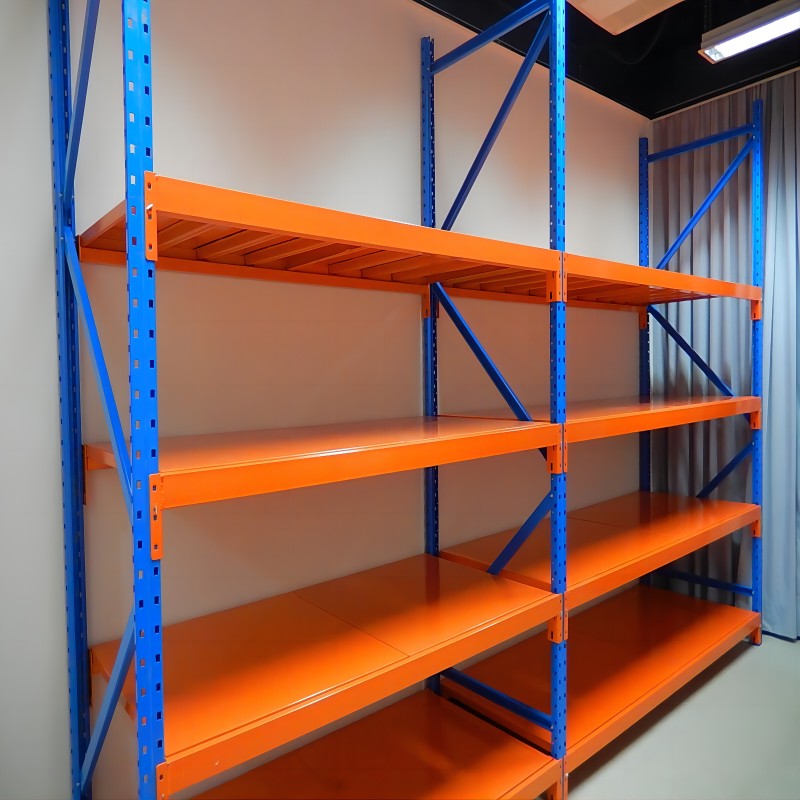
Executing an industrial racking relocation requires precision engineering. Hiring general contractors or standard freight movers introduces massive operational risks. These teams excel at moving boxed freight but lack the technical expertise to dismantle engineered steel structures. Improper dismantling compromises structural integrity. General movers often use brute force to separate beams from uprights. They shear safety pins, bend baseplates, and warp diagonal bracing. This physical damage immediately voids manufacturer warranties and renders the steel unsafe for reassembly.
Disorganized staging creates cascading delays across the entire supply chain. When standard movers dismantle racks without a strict mapping protocol, hardware gets lost in transit. Shims, anchors, and specialized locking mechanisms disappear. The most severe failure occurs within the digital infrastructure. When physical rack placements no longer match the WMS bin locations, inventory becomes invisible. Pickers cannot locate products. Fulfillment stops. The company faces massive chargebacks from delayed shipments. Rebuilding a desynchronized WMS takes weeks of manual cycle counting. We have seen facilities lose hundreds of thousands of dollars simply because a moving crew mixed up the beam elevations and barcode labels during transit.
You must establish strict baseline metrics for a successful warehouse rack moving project. Success is not merely transporting steel from point A to point B. A successful transition demands zero lost inventory and zero safety incidents. Seamless WMS integration must occur before the first pallet arrives at the new facility. The project must adhere strictly to the transition timeline. This ensures immediate operational readiness upon installation. Every bay must be certified, anchored, and ready for load execution the moment the handover occurs.
Frame this transition as a highly coordinated operational engineering project. It is not a basic logistical challenge. You are decommissioning a live production environment and rebuilding it while maintaining order flow. This requires a dedicated project management team. They must understand structural load dynamics, seismic anchoring, and digital inventory mapping. Meeting these success criteria requires specialized equipment, certified installation crews, and a rigorous chain-of-custody protocol for every single steel component.
The MAC framework provides a systematic approach to facility transitions. It breaks down complex warehouse racking mac relocations into three distinct, manageable phases. The "Moves" phase involves the physical, phased relocation of existing storage assets. This requires strict chain-of-custody protocols. Every beam, upright, and wire deck is tagged, logged, and tracked during transit. This ensures that the exact components needed for specific aisles arrive together. It eliminates staging yard confusion.
The "Adds" phase integrates new racking components into the existing system. Facilities rarely move to an identical footprint. The new building often features higher clear heights or a larger square footage. Integrating new components expands capacity and accommodates new SKU profiles at the destination facility. The "Changes" phase reconfigures rack types to match new workflow demands. You might convert standard selective racking into high-density push-back, pallet flow, or Very Narrow Aisle (VNA) systems. This transforms a simple move into a strategic facility optimization project.
Standard logistics companies move pallets. A specialized warehouse racking relocation service moves engineered infrastructure. The liability insurance profiles between these two entities differ vastly. Dedicated racking integrators carry specific insurance for structural steel dismantling and high-risk rigging operations. Standard movers often rely on generic cargo insurance. This rarely covers structural damage to engineered storage systems during a teardown.
Specialized rigging and material handling equipment are mandatory for these transitions. Dedicated integrators utilize custom-built teardown carts, specialized scissor lifts, and heavy-duty banding equipment. They deploy certified installation crews trained in high-density storage tolerances. These crews understand how to read stamped engineering drawings. They know exactly how to plumb and level uprights to millimeter precision. Standard movers lack this technical training. This leads to uneven racks, compromised load capacities, and failed safety inspections at the new facility.
Shutting down a distribution center for a month destroys fulfillment metrics. MAC methodologies utilize a phased teardown and installation strategy to minimize downtime. This strategy relies on leapfrogging inventory. Project managers divide the existing facility into strategic zones. They move a specific percentage of empty racks first. This builds the initial footprint at the new site. Once the new racks are anchored and certified, inventory shifts from the old building to the new building in calculated waves.
To execute a successful phased teardown, project managers follow a strict sequence:
Audit the existing layout to identify empty bays and consolidate remaining inventory into active pick zones.
Dismantle the empty bays, bundle the steel, and load it onto flatbed trailers using specialized rigging.
Transport the initial wave of steel to the new facility and begin anchoring the first aisles.
Transfer inventory from the legacy building directly into the newly certified bays at the destination.
Repeat the cycle, systematically shrinking the old footprint while expanding the new one.
This phased approach prevents a total facility shutdown. Core fulfillment operations continue running in the old facility while the new facility slowly comes online. As aisles empty in the legacy building, crews immediately dismantle the steel, ship it, and rebuild it at the destination. This continuous cycle of teardown, transit, and rebuild ensures that you never lose your ability to pick, pack, and ship orders. It requires intense coordination between operations managers, freight dispatchers, and installation crews.
Physical steel movement is only half the battle. Digital synchronization dictates the speed of your operational restart. Specialized integration teams use CAD mapping and digital twin software to label and track every racking component. They create a digital replica of the new facility before a single bolt is turned. Every upright and beam receives a specific barcode that corresponds to its exact future location in the new building.
This feature drives a specific outcome: rapid, error-free reassembly. The physical build matches the engineered stamped drawings perfectly. More importantly, this digital mapping allows IT teams to pre-load new bin locations into the WMS before the physical move is complete. When the steel is anchored, the WMS already knows exactly where every location is. Forklift operators can begin put-away operations immediately. This eliminates the weeks of manual data entry typically required after a facility move.
A relocation presents a rare opportunity to access bare steel. Performing preventative maintenance while racks are dismantled is highly efficient. When uprights are standing in a busy aisle, replacing a damaged baseplate requires unloading multiple bays and bracing the structure. During a move, the steel is already on the ground. Crews can easily unbolt bent baseplates and weld on new ones before the upright is shipped.
You can seamlessly add heavy-duty bullnose column protectors, install new wire mesh decking, or upgrade safety netting during the reassembly phase. Upgrading load beams to handle heavier pallet weights is much faster when the system is being built from scratch. Integrating these upgrades during the move prevents future operational disruptions. It ensures that the reassembled system is safer, stronger, and more resilient than it was in the legacy facility.
Moving steel across town often means crossing municipal boundaries. Every municipality enforces different building codes. You must secure updated seismic calculations and stamped engineering drawings for the new location. This applies even if the racking configuration is identical to the previous setup. Soil composition, floor slab thickness, and local seismic zones dictate anchoring requirements. Moving from a low seismic zone to a high seismic zone requires completely different footplates and heavy-duty wedge anchors. A comprehensive warehouse racking relocation solutions provider handles all structural engineering requirements internally.
Fire code compliance is equally demanding. The new facility will have different ceiling heights, sprinkler system layouts, and egress requirements. Specialized partners navigate local municipal permitting processes efficiently. They ensure strict adherence to flue space requirements and coordinate in-rack sprinkler integration with local fire marshals. Failing to secure these permits before installation begins will result in immediate stop-work orders. This delays your facility launch indefinitely.
A move is the perfect time to future-proof your operations. You must evaluate whether the proposed warehouse storage system relocation plan accommodates future automation. Replicating your old layout in a new building wastes potential. Analyze your projected throughput volume for the next five years. Does the new layout support Autonomous Mobile Robots (AMRs)? Are the aisles wide enough for new material handling equipment?
Consider the integration of Automated Storage and Retrieval Systems (AS/RS). If you plan to implement automation later, the floor slab must be poured and leveled to exact specifications now. The racking must be anchored with tighter tolerances. A specialized integration partner will design a layout that supports your current manual picking processes while leaving strategic physical space and structural capacity for future robotic integration.
Vetting a relocation vendor requires strict criteria. Do not accept bids from standard moving companies. You need a dedicated material handling integrator. Look for vendors with in-house engineering teams capable of producing stamped CAD drawings. They must assign dedicated project managers who remain on-site throughout the entire transition. These managers coordinate the complex dance between teardown crews, freight dispatch, and installation teams.
Evaluate their equipment capabilities. Do they own proprietary teardown equipment? Do they utilize RMI-certified installation crews? Ask for a proven track record with complex industrial transitions. Request case studies detailing how they handled WMS synchronization and phased inventory leapfrogging.
Evaluation Criteria | Standard Freight Movers | Specialized MAC Integrators |
|---|---|---|
Structural Engineering | None provided. Client must hire third-party engineers. | In-house CAD design and seismic stamping included. |
Permitting Support | Client responsibility. No municipal coordination. | Full municipal coordination and fire marshal approval. |
Teardown Method | Manual labor, brute force, generic tools. | Specialized rigging, teardown carts, and lifts. |
WMS Synchronization | None. Racks are placed randomly based on space. | Digital twin mapping and exact barcode placement. |
Installation Crew | General warehouse labor or temp workers. | RMI-certified technicians trained in high-density tolerances. |
Specialized relocation teams command premium pricing. This direct cost often shocks procurement departments accustomed to standard freight quotes. However, you must evaluate this investment against mitigated downtime. Every day your distribution center is offline, you lose revenue, damage customer relationships, and incur massive SLA penalties. A MAC-certified relocation team shaves weeks off the transition timeline.
The value of maintaining operational continuity far outweighs the premium paid for specialized labor. When standard movers damage steel, you must buy replacement parts at rush-order premiums. When they lose hardware, installation halts. When the WMS fails to sync, labor costs skyrocket as workers manually search for pallets. Investing in a specialized integrator eliminates these hidden operational costs. It ensures a smooth, profitable transition.
During the teardown phase, crews will discover damaged steel. You must evaluate the tipping point between repairing and replacing components. Dismantling, shipping, and re-certifying older, heavily damaged racking is expensive. Sometimes, the labor cost to repair a twisted upright exceeds the cost of purchasing net-new steel for the new facility.
A skilled project manager conducts a thorough audit before the move begins. They identify which components are structurally sound and which should be scrapped. Uprights with severe forklift impact damage at the base should be recycled. Beams with deflected steel must be replaced. This strategic culling ensures that only safe, certifiable steel makes the journey to the new facility. It optimizes your freight spend and guarantees a safe working environment.
Corporate sustainability goals play a major role in facility transitions. The "Changes" aspect of the MAC framework delivers a massive ESG dividend. Re-engineering existing steel to fit new operational needs prevents usable assets from ending up in landfills. Manufacturing new heavy steel requires immense energy and produces significant carbon emissions.
By repurposing your existing infrastructure, you drastically reduce the carbon footprint of your facility move. Damaged components that cannot be reused are sorted and sent to dedicated steel recycling facilities. This commitment to sustainable asset management supports corporate environmental initiatives. It simultaneously reduces the capital expenditure required to outfit the new distribution center.
Facility moves create severe supply chain vulnerabilities. Inbound freight does not stop arriving just because you are dismantling racks. If a massive shipment arrives while your receiving docks are offline, you face immediate gridlock. Trailers back up in the yard, detention fees accumulate, and inventory sits exposed to the elements.
Mitigate this risk by developing strict contingency plans. Establish temporary off-site storage solutions months in advance. Partner with a local 3PL to handle inbound freight during the critical teardown phase. Reroute non-essential shipments to other nodes in your distribution network. Clear communication with suppliers regarding blackout dates for deliveries is absolutely essential to maintain yard fluidity.
Assuming the new building can perfectly accommodate your old layout is a dangerous mistake. Unforeseen structural incompatibilities will derail an installation instantly. Floor slabs vary wildly between buildings. A slab with a low PSI rating cannot support the point loads of high-density racking. Uneven floors require excessive shimming, compromising structural stability. Placing an upright directly over a concrete expansion joint compromises the anchor's holding power.
Conduct rigorous pre-move site surveys to mitigate these structural risks. Engineers must verify the PSI rating and levelness of the new floor slab. They must map out building column spacing to ensure it does not conflict with proposed aisle widths. Ceiling height restrictions, HVAC ductwork, and lighting placements must be analyzed to prevent interference with top-tier pallet loads. Identify these conflicts on paper before the steel arrives.
Moving thousands of pieces of heavy steel creates massive opportunities for component loss and transit damage. Loose beams slide around inside trailers, scraping paint and bending connection points. Missing safety pins halt installation on entire aisles. Dynamic systems like pallet flow or push-back racks require strict millimeter tolerances. If tracks are bent during transit, the pallets will not flow. This renders the system useless.
Implement strict banding, palletizing, and documented chain-of-custody protocols. Beams must be strapped securely to custom dunnage. Small hardware must be boxed, labeled, and shrink-wrapped to dedicated pallets. For dynamic systems, utilize specialized crews who understand how to maintain strict millimeter tolerances during reassembly. They must laser-level every track and test the flow dynamics with actual weighted pallets before signing off on the bay.
Initiate a comprehensive structural site audit of your current racking to identify damaged components before teardown begins.
Request an RFP from specialized integrators that specifically outlines their MAC capabilities and phased downtime mitigation strategies.
Engage a structural engineer to verify the floor slab PSI and seismic requirements of your destination facility.
Coordinate with your IT department to establish a digital twin mapping protocol for seamless WMS synchronization.
A: A comprehensive service includes structural teardown, specialized banding, heavy freight transportation, and destination site preparation. It also covers RMI-certified re-installation, WMS mapping support, and full engineering and permitting support to ensure local code compliance.
A: Timelines vary drastically based on square footage, racking complexity, and operational phasing requirements. A small selective setup might move over a single weekend. Complex, multi-phase distribution centers with high-density dynamic systems can take several months to fully transition.
A: Yes. Moving racks to a new municipality, or even a different building in the same city, requires new engineering stamps and permits. This ensures strict compliance with local seismic zones, floor slab capacities, and updated fire codes.
A: Yes. The "Adds and Changes" aspect of the MAC framework is designed for this. You can integrate new components, adjust aisle widths for new equipment, repair damaged uprights, or upgrade to higher-density storage solutions during the rebuild phase.
A: Disruption is prevented through phased transition plans and leapfrogging inventory. Utilizing temporary buffer stock, executing real-time WMS synchronization, and running parallel facility operations ensures order fulfillment continues seamlessly throughout the entire move.


