

Views: 0 Author: Site Editor Publish Time: 2026-07-18 Origin: Site


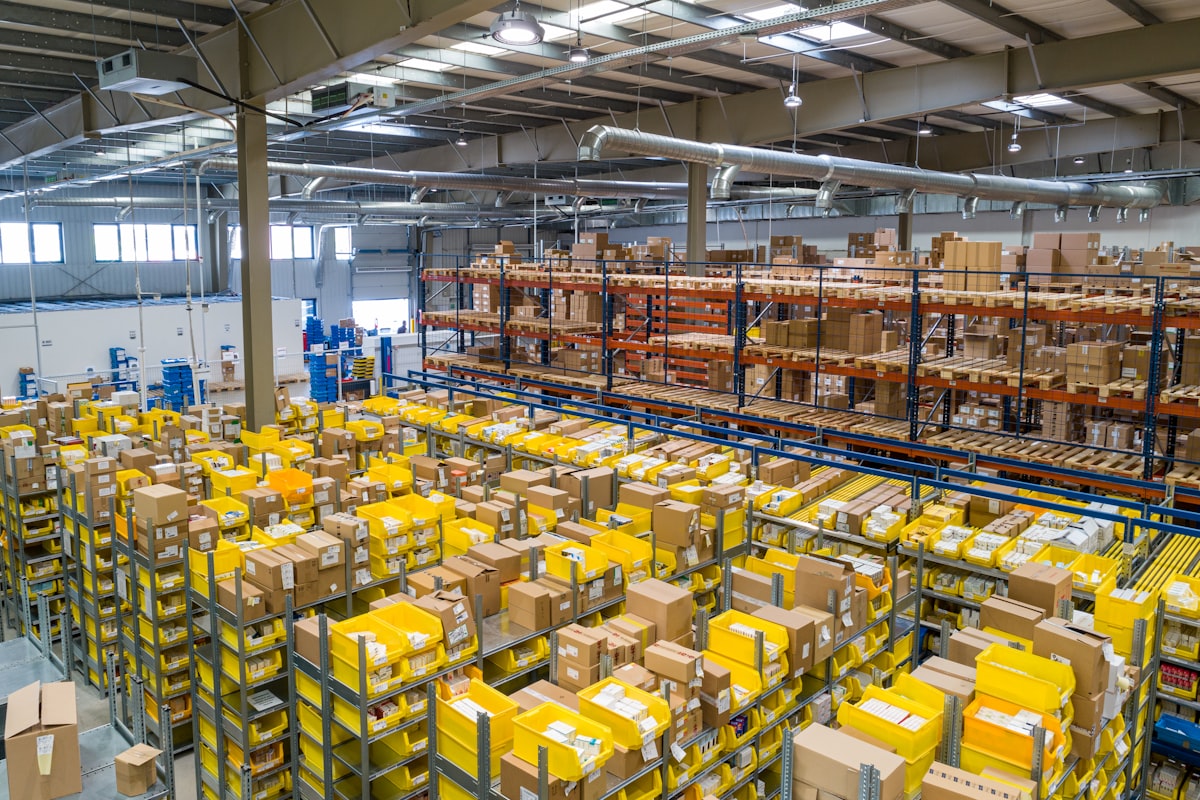
Raw warehouse square footage remains a sunk cost until you properly optimize it for vertical storage and inventory flow. Facility managers constantly face the tension between maximizing storage density and maintaining rapid picking selectivity. Relying on inadequate storage infrastructure inevitably creates operational bottlenecks, increases the risk of damaged goods, and inflates labor costs. You cannot simply throw pallets on the floor and expect a high-functioning distribution center. industrial warehouse storage racks are not just basic steel structures. They function as engineered material handling solutions designed to solve specific logistics, throughput, and compliance challenges. We see facilities waste massive amounts of space simply because they use the wrong beam profiles or ignore their vertical clear height. Upgrading your storage medium directly impacts how fast your operators can pick, pack, and ship.
Modern facility management requires shifting focus from cost-per-square-foot to cost-per-cubic-foot. Expanding a building footprint requires massive capital expenditure, land acquisition, and lengthy permitting processes. Engineered racking systems utilize available clear heights up to the ceiling, transforming empty air into usable storage locations. This vertical expansion delays or completely eliminates the need for expensive facility additions. By building upward, operations can consolidate multiple smaller warehouses into a single, highly efficient distribution center. You must measure from the floor slab to the lowest hanging obstruction, usually the fire sprinklers or HVAC ductwork, to determine your true vertical capacity.
| Metric | Floor Stacking | Vertical Racking (24ft Clear) | Vertical Racking (36ft Clear) |
|---|---|---|---|
| Pallet Positions per 1,000 Sq Ft | Approx. 60-80 | Approx. 200-250 | Approx. 300-350 |
| Accessibility | Poor (Top pallet only) | High (100% selective) | High (Requires reach trucks) |
| Damage Risk | High (Crush damage) | Low (Supported loads) | Low (Supported loads) |
Different inventory accounting methods require specific rack configurations to function properly. First-In, First-Out (FIFO) operations rely on dynamic flow systems to ensure older stock rotates out first automatically. Last-In, First-Out (LIFO) setups work efficiently for bulk goods lacking expiration dates, allowing deep-lane storage. Proper racking layouts drastically reduce forklift travel time across the concrete slab. Minimizing touches per pallet accelerates overall throughput, reduces operator fatigue, and lowers the risk of handling-related product damage. When you map your fast-moving SKUs to the end of the aisles, you cut down on deadhead travel time.
Bulk floor-stacking often leads to severe crush damage at the bottom of the pile, ruining valuable inventory. Engineered racks prevent this by supporting each load independently on heavy-duty steel beams. Load-bearing interfaces vary significantly across operations. Standard wood pallets distribute weight evenly across beams and wire decking. Plastic pallets can slip without proper supports, while bottomless metal skids require specialized channels to prevent point-loading failures. Organizing heavy loads within load-rated steel frames provides immense structural safety benefits, isolating inventory from ground-level hazards and forklift traffic. You must match your decking material to the specific type of pallet or skid your suppliers use.
High-density storage remains critical in cold storage due to the extreme operating costs of refrigerated environments. Strict expiration date management dictates the workflow and equipment choices. Drive-in racks maximize the expensive frozen footprint by eliminating unnecessary aisles. Pallet flow systems maintain strict FIFO rotation for perishables while keeping storage density exceptionally high, ensuring food safety compliance without sacrificing space. Every square inch of a freezer room costs money to keep cold, so minimizing empty aisle space is a primary operational goal.
These facilities handle massive SKU counts requiring rapid, individual item picking to meet tight shipping deadlines. Operations typically combine selective racking with industrial warehouse shelving to create hybrid picking zones. Hand-picking occurs at the ground level for fast access, while upper levels hold reserve pallet storage for quick replenishment. This setup keeps pickers moving efficiently without waiting for forklift operators to retrieve bulk stock. You often see carton flow tracks integrated directly into the lower bays to feed individual boxes to the pick face.
Storing irregular, heavy, or oversized components demands specialized structural support. Engines, exhaust pipes, sheet metal, and rotating parts rarely fit neatly on standard pallets. Cantilever racks handle long items efficiently, removing frontal column obstructions. Wide-span shelving accommodates hand-loaded auto parts that are too bulky for standard shelves. Heavy-duty structural steel racks provide the necessary capacities for extreme load requirements found in metal fabrication and assembly plants. Roll-formed steel often fails under the abuse of heavy manufacturing, making structural c-channel steel the standard choice here.
Strict lot tracking, quarantine zones, and hazardous material compliance govern these highly regulated environments. Selective racking with wire decking ensures visibility, allows airflow, and prevents small items from falling through to lower levels. Strict aisle spacing is mandatory to accommodate specialized fire suppression systems, allow rapid evacuation, and contain potential chemical spills effectively. In-rack sprinklers are frequently required by local fire marshals when storing flammable liquids or aerosols.
Rapidly fluctuating transit stock and cross-docking operations require versatile, fast-paced layouts. Retail back-of-house storage faces similar severe space constraints. Modular hybrid systems combine selective pallet racking with high-density flow tracks. This setup stages outbound shipments efficiently before dispatch, keeping loading docks clear and preventing dock-door bottlenecks during peak shipping hours. You need systems that can be reconfigured quickly as seasonal inventory volumes shift.
This system provides 100% selectivity, allowing immediate access to any pallet at any time. It offers the lowest storage density among industrial solutions. It performs best for high-SKU, low-volume-per-SKU operations where variety outpaces sheer volume. The main trade-off is the required footprint. Selective layouts require numerous aisles to accommodate forklift turning radiuses, consuming up to 50% of available floor space. You will use standard teardrop or slotted uprights for this configuration.
These systems eliminate aisles by allowing forklifts to drive directly into the rack structure to deposit or retrieve loads. They suit low-SKU, high-volume operations perfectly, such as seasonal goods or bulk raw materials. Drive-in setups enforce strict LIFO inventory flow. Operators must navigate tight spaces within the rack bays, leading to a higher risk of forklift impact damage on the uprights if not properly trained. Heavy-duty rub rails and floor-mounted guide tracks help keep drivers centered.
Dynamic systems use gravity rollers or nested carts to move pallets automatically from the loading face to the picking face. They balance high density with better selectivity than drive-in configurations. Push back supports LIFO, while pallet flow enforces FIFO. The trade-offs include higher initial capital expenditure and mandatory maintenance schedules to keep the moving parts, wheels, and speed controllers functioning smoothly. Debris on the tracks will cause pallets to hang up, requiring manual intervention.
Featuring a center-column design with protruding arms, this system completely removes frontal obstructions. It is essential for storing long, bulky items like lumber, steel piping, or furniture that cannot fit within standard upright frames. The arms can be adjusted vertically to accommodate changing load heights, making it highly versatile for building materials and heavy manufacturing. You can configure these as single-sided against a wall or double-sided for center-aisle access.
Understanding technical differences prevents costly misapplications on the warehouse floor. Pallet racking is designed exclusively for forklift-handled, palletized, or skid-loaded heavy goods. Industrial warehouse shelving is engineered for light-duty, hand-stacked carton or piece-picking operations. Wide-span (long-span) shelving serves as the bridge solution. It handles bulky, heavy, or awkwardly shaped items manually loaded without a forklift, such as automotive batteries, hardware supplies, or heavy machinery parts.
Static storage differs vastly from dynamic automated solutions, which include Vertical Lift Modules (VLMs), automated cranes, and shuttle systems. AS/RS replaces traditional manual forklifts with computerized robotic retrievers moving on fixed rails. This maximizes vertical density and eliminates human picking errors. However, AS/RS requires massive capital investment, creates rigid infrastructure that is difficult to modify, and demands complex software integration compared to flexible, easily reconfigurable static steel racking.
| System Type | Selectivity | Storage Density | Inventory Flow | Best Application |
|---|---|---|---|---|
| Selective Racking | 100% | Low | Random Access | High SKU, low volume per SKU |
| Drive-In Racking | Low | High | LIFO | Low SKU, high volume bulk storage |
| Pallet Flow | Medium | High | FIFO | Perishables, date-sensitive goods |
| Cantilever | 100% (for long items) | Medium | Random Access | Lumber, piping, oversized materials |
| Push Back | Medium | High | LIFO | Medium SKU, high volume |
Conducting an ABC inventory analysis determines proper system allocation and layout geometry. Fast-movers (A items) belong in highly accessible selective or flow racks located near shipping docks to minimize travel time. Slow-movers (C items) fit perfectly into high-density, deep-lane storage where access speed matters less. Matching the storage medium to the inventory velocity prevents bottlenecks and keeps high-demand items flowing smoothly. You should review this data quarterly, as seasonal shifts will change your velocity profiles.
Never order steel without evaluating the building first. Assess the clear height to the lowest ceiling obstruction, including sprinklers and HVAC ducts. Map out the column grid spacing to avoid dead zones in the aisles or blocked rack bays. Verify concrete slab thickness and PSI ratings to ensure the floor can support the immense point loads generated by fully loaded upright frames. A standard 6-inch slab at 3,000 PSI might support standard selective racks, but high-density systems often require 8-inch slabs with heavy rebar reinforcement.
Rack selection depends entirely on the forklift fleet operating within the facility. Standard counterbalance trucks require 12 to 14-foot aisles to turn safely. Narrow aisle reach trucks operate comfortably in 8 to 10-foot spaces, increasing overall storage capacity. Very narrow aisle (VNA) wire-guided turrets function in aisles as tight as 5 to 6 feet but require specialized, super-flat concrete floors to operate safely at high elevations. You cannot design a layout without knowing the exact turn radius and maximum lift height of your specific trucks.
Facilities rarely rely on a single system to handle all operational needs. Combining different styles optimizes multi-channel fulfillment. Install lower-level carton flow tracks for fast piece-picking operations. Place standard selective pallet storage directly above those flow lanes to hold bulk reserve stock. This allows immediate replenishment of the picking faces without moving inventory across the building. You can also integrate pick modules with multi-level catwalks to maximize vertical space for hand-picking.
Installing heavy steel structures requires strict legal and regulatory compliance. Municipalities demand stamped engineering drawings before issuing permits. Seismic calculations are mandatory, especially in high-risk zones, dictating heavier baseplates, thicker steel gauges, and reinforced bracing. Maintaining longitudinal and transverse flue spaces is non-negotiable for sprinkler penetration, ensuring water can reach lower levels during a fire. Inspectors will fail your installation if pallets overhang the beams and block these critical air gaps.
Installing new racking in an active warehouse threatens fulfillment schedules and daily operations. Execute phased rollouts to mitigate downtime. Clear and install one zone at a time, temporarily shifting inventory to staging areas or rented trailers. Schedule heavy anchoring work and structural assembly during off-shifts or weekends to keep aisles clear for workers during peak hours. You must coordinate closely with the installation crew to ensure they do not block active forklift traffic lanes.
Steel yields to repeated forklift impacts over time. Install rack protection accessories immediately during the initial build. Column protectors and end-of-aisle guards absorb strikes that would otherwise compromise the frame's structural integrity. Conduct routine safety audits to identify bent bracing, missing safety pins, or sheared anchor bolts before they cause catastrophic rack failure and inventory loss. You should empower your forklift operators to report minor damage immediately without fear of reprisal.
Industrial warehouse storage racks are not a one-size-fits-all commodity. They represent a strategic asset dictating operational efficiency, facility safety, and overall profitability. The evaluation path is straightforward: start with accurate inventory data comparing SKU count against volume. Overlay those numbers with facility constraints, and factor in MHE capabilities to determine the optimal density and selectivity balance for your specific operation. You must engineer the solution to fit the building and the workflow.
A: The primary difference lies in load capacity and handling methods. Industrial shelving is designed for lighter, hand-picked items and cartons. Pallet racking is engineered with heavy-duty structural or roll-formed steel to support massive, palletized loads handled exclusively by forklifts.
A: Wide-span shelving bridges the gap between standard light-duty shelving and heavy-duty pallet racks. It is preferred for hand-loaded, heavy, or oversized items that do not require a forklift. Facilities use it for bulky goods like auto parts or machinery components that are too heavy for standard shelves.
A: Pallets feature both top and bottom decks, which distribute weight evenly across rack beams and wire decking. Skids lack a bottom deck. This absence of bottom support means skids can slip or create dangerous point loads, requiring specific support channels or safety bars on the racks.
A: Weight capacity varies significantly based on beam length, steel profile, and vertical beam spacing. Standard configurations typically hold between 2,000 and 8,000 pounds per level. Always consult the manufacturer's load application plaque, as altering beam elevations changes the overall frame capacity.
A: Aisle widths depend on the material handling equipment. Standard counterbalance forklifts require 12 to 14 feet. Narrow aisle reach trucks need 8 to 10 feet. Very Narrow Aisle (VNA) systems, utilizing wire-guided turret trucks, operate efficiently in tight aisles ranging from 5 to 6 feet wide.
A: When properly maintained, steel storage racks can last 15 to 20 years or more. Their lifespan is heavily contingent on preventing forklift impact damage, adhering strictly to engineered load capacities, and conducting routine safety inspections to replace damaged components promptly.
A: Yes. OSHA regulations and ANSI/RMI standards mandate that all pallet racking frames be securely anchored to the concrete slab. Proper anchoring prevents tipping, stabilizes the structure against forklift impacts, and is a critical requirement for seismic engineering compliance.


