

Views: 0 Author: Site Editor Publish Time: 2026-08-28 Origin: Site


Standard racking systems handle average pallet weights perfectly well in everyday distribution centers. However, deploying them for high-tonnage manufacturing or heavy industrial goods introduces severe safety and operational risks. When load capacities push structural limits, standard roll-formed steel can buckle, warp, or fail entirely under the stress. Upgrading to a heavy-duty industrial warehouse rack requires moving beyond basic physical dimensions. You must carefully evaluate steel yield strength, connection rigidity, and strict engineering compliance to protect your facility.
This article provides warehouse managers and procurement teams with an objective, engineering-based framework. You will learn how to evaluate steel components, calculate accurate floor limits, and match racking architectures to your specific loads. We will help you confidently evaluate, shortlist, and implement heavy-load storage solutions without ever compromising facility safety.
Heavy loads demand robust engineering. You cannot rely on standard materials when storing dies, metal coils, or heavy machinery. The foundation of any high-capacity system begins with the raw materials used in its construction.
Most standard warehouses utilize cold-rolled, roll-formed steel. Manufacturers bend flat steel sheets into shape at room temperature. This process works well for light to medium loads. However, heavy manufacturing environments require hot-rolled structural steel. Manufacturers form structural steel C-channels while the metal is molten. This process creates a thicker, denser, and far more rigid component. Structural steel offers superior impact resistance. It withstands inevitable forklift bumps much better than roll-formed steel. It also delivers a vastly higher weight-bearing capacity.
The thickness of the steel directly dictates its capacity. We measure this thickness in gauges. A lower gauge number indicates thicker steel. When handling loads exceeding 3,000 lbs per pallet, standard 14-gauge steel often falls short. You typically need 11-gauge or even 10-gauge steel for uprights and beams. Furthermore, you must verify the steel's yield strength. Heavy-duty applications usually require a minimum yield strength of 50,000 PSI. This rating ensures the steel can absorb immense stress without suffering permanent deformation.
How you connect the beams to the upright frames matters immensely. Standard racks often use teardrop or punch-hole connections. These rely on gravity to hold clips in place. Under extreme static loads, teardrop connections can allow slight frame deflection. Heavy-duty systems use bolted connections instead. Grade 5 or Grade 8 bolts lock the structural beams directly to the uprights. This rigid, bolted joint prevents the frame from swaying or deflecting under massive weight.
Uprights consist of two vertical columns connected by bracing. This bracing architecture is crucial for heavy loads. Manufacturers weld horizontal and diagonal steel struts between the columns. These braces form a rigid truss system. The truss distributes vertical stress evenly across the entire frame. It prevents the columns from buckling under heavy compression. A dense bracing pattern significantly increases the overall safety of the structure.
Reading a manufacturer specification sheet is only the first step. You must understand how engineers calculate those numbers. Misinterpreting capacity ratings leads to dangerous overloading.
You must distinguish between frame capacity and beam capacity. An upright frame might boast a total capacity of 40,000 lbs. However, this does not mean you can place 40,000 lbs anywhere. The corresponding beam level might only support 5,000 lbs. You calculate the overall load by adding up the weights on every beam level within that bay. Never exceed the individual beam limit, even if the total frame capacity remains unreached.
Capacity ratings always assume a Uniformly Distributed Load (UDL). A UDL spreads the weight evenly across the entire length of the beam. A standard pallet of boxed goods acts as a UDL. However, heavy industrial environments often deal with "point loads." Steel coils, heavy metal dies, or electric motors concentrate massive weight into a very small footprint. A point load stresses a specific section of the beam intensely. A beam rated for a 5,000 lb UDL might fail under a 4,000 lb point load. You must calculate and engineer specifically for point loads.
Heavy loads cause beams to bend slightly. We call this bending "deflection." Industry standards establish clear limits for acceptable beam bowing. Typically, a beam should not deflect more than 1/180th of its total length under full load.
Standard Beam Deflection Limits Chart
| Beam Length (Inches) | Acceptable Deflection Formula | Maximum Safe Deflection (Inches) |
|---|---|---|
| 96 inches (8 feet) | 96 ÷ 180 | 0.53 inches |
| 108 inches (9 feet) | 108 ÷ 180 | 0.60 inches |
| 120 inches (10 feet) | 120 ÷ 180 | 0.66 inches |
| 144 inches (12 feet) | 144 ÷ 180 | 0.80 inches |
If your beam bows beyond these limits, it signals an overloaded system. Excessive deflection means structural failure is imminent. You must unload the rack immediately.
A heavy-duty rack is only as viable as the foundation beneath it. You transfer tens of thousands of pounds down through narrow steel columns. This weight rests entirely on your concrete floor slab. You must assess your concrete thickness and its PSI limits. A standard 4-inch, 2500 PSI slab will crack under extreme heavy-duty loads. High-tonnage applications often require a 6-inch or 8-inch slab rated at 4000 PSI or higher. Engineers use enlarged steel baseplates to spread the column's weight over a wider area of the floor.
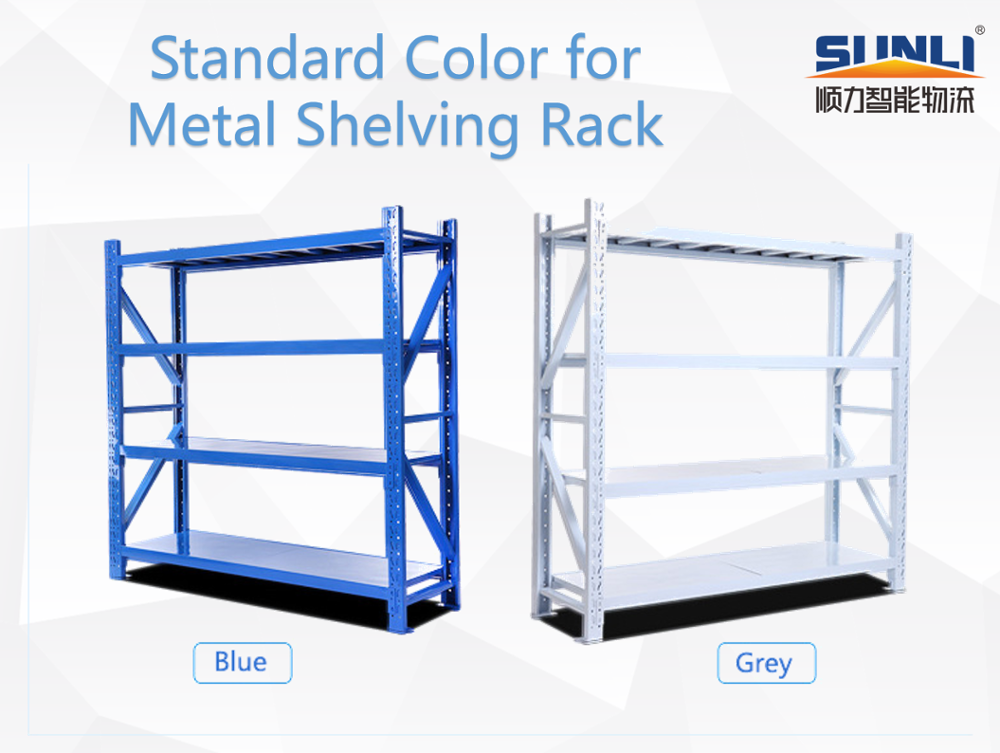
You cannot force every heavy product onto a standard pallet layout. Matching your inventory to the correct Industrial Storage Rack prevents bottlenecks and safety hazards. Different goods require highly specific storage architectures.
You incur significant liability when storing heavy materials. A structural collapse can cause catastrophic facility damage and severe injuries. Strict compliance with engineering standards mitigates these risks.
Never purchase racking systems based on marketing claims alone. You must choose systems tested to recognized engineering standards. In North America, look for compliance with the Rack Manufacturers Institute (RMI). Other regions utilize equivalent international standards. These organizations dictate strict testing protocols for steel strength, connection limits, and overall stability. An RMI-certified system guarantees a tested, proven baseline of safety.
Your geographic location directly alters your engineering requirements. Local seismic zones dictate how systems must react to ground tremors. A minor earthquake exerts massive lateral force on a fully loaded frame. Seismic engineering often requires substantially enlarged baseplates. You will need specific, heavy-duty concrete anchoring protocols. Engineers often mandate thicker steel gauges and reinforced bracing patterns in active seismic zones to prevent collapse.
Forklift operators will inevitably strike your racking frames. Heavy goods require heavy forklifts. A collision from a 10,000 lb forklift carries immense kinetic energy. You must factor impact defense into your design. Install thick steel column protectors at the base of every upright. Use robust end-of-aisle guards to shield the most vulnerable frames. Combine these with heavy-duty wedge anchors to keep the system rooted during a collision.
Installation is not the final step. Heavy static loads and daily operations degrade materials over time. You must adopt a strict schedule for post-installation audits. Train warehouse staff to perform weekly visual checks. Look for hairline fractures in the paint, which indicate stressed steel. Check for missing or sheared bolts. Identify compromised uprights immediately. Schedule a comprehensive audit annually by an independent rack safety professional.
Sourcing an industrial warehouse rack is an engineering partnership. You should vet your vendors as rigorously as you vet the steel itself. Use clear criteria to narrow down your supplier list.
Prioritize vendors who employ in-house structural engineers. A credible provider will perform site-specific load calculations based on your actual inventory. They should evaluate your floor slab data. Crucially, they must provide stamped engineering drawings. Local municipalities often require these stamped drawings to issue building and occupancy permits.
Avoid providers who push one-size-fits-all solutions. Heavy industrial goods rarely fit standard molds. Look for a vendor who offers deep customization. They should easily customize beam lengths to fit odd-sized payloads. They should offer varied decking materials, such as punched steel or bar grating. They must adjust bracing patterns to accommodate your specific heavy goods.
You can buy the best steel in the world, but poor installation will ruin it. Heavy-duty systems require certified installation teams. These teams understand strict bolt torque specifications. They ensure the racks stand perfectly plumb and level. They guarantee that all concrete anchoring meets tight engineering tolerances. Never rely on general contractors for heavy-duty rack installation.
Evaluate the transparency of the vendor's warranty before signing. Read the fine print carefully. You must understand the difference between a structural failure warranty and operational wear-and-tear clauses. A strong vendor stands behind their engineering. They will clearly outline what constitutes an overloaded system versus a manufacturing defect.
Evaluating Vendor Capabilities
| Evaluation Area | Standard Provider | Ideal Heavy-Duty Provider |
|---|---|---|
| Load Calculations | Relies on generic UDL charts. | Performs site-specific point load analysis. |
| Engineering Support | Outsources design work. | Provides in-house, stamped engineering drawings. |
| Component Options | Only offers roll-formed teardrop racks. | Specializes in hot-rolled structural steel. |
| Installation | Leaves installation to the buyer. | Uses certified, specialized rack installers. |
Specifying a heavy-duty rack for your facility is a precise engineering exercise. It is never a simple catalog purchase. You must move beyond basic dimensions to evaluate steel yield strength, rigid bolted connections, and strict safety compliance. By understanding the difference between UDL and point loads, and by verifying your concrete floor limits, you protect your warehouse from catastrophic failures.
Next Steps:
A: Standard racks typically cap around 2,500 lbs per pallet position. However, structural heavy-duty racks can be engineered to hold 4,000 to 8,000+ lbs per position. The absolute maximum depends entirely on the beam span, the upright column capacity, and the floor slab's PSI rating.
A: We advise extreme skepticism here. While minor reinforcements are possible, retrofitting cold-rolled steel for true heavy manufacturing loads is risky. It is almost always less safe and less cost-effective than simply installing purpose-built structural steel racks from the start.
A: Your forklift dictates the entire aisle layout. Aisle width requirements and maximum lift heights determine rack spacing. Furthermore, the immense weight of heavy-duty forklifts dictates your impact protection needs. A heavier forklift requires vastly stronger column guards and reinforced structural bracing to survive accidental strikes.
A: Warehouse staff should conduct visual checks weekly to spot obvious damage. Additionally, you must schedule a comprehensive audit annually by an independent rack safety inspector. You must also mandate an immediate, thorough inspection following any significant forklift impact to check for sheared bolts or structural deflection.


