

Views: 0 Author: Site Editor Publish Time: 2026-08-03 Origin: Site


Transitioning to high-density, automated storage is rarely a plug-and-play hardware purchase. It is a complex, multi-disciplinary engineering and integration project. Operations leaders often face delayed returns on investment, cost overruns, or operational bottlenecks. These issues arise when teams focus heavily on physical hardware like shuttles and cranes while underestimating the engineering, software integration, and installation services required to make the system function.
To ensure a successful deployment, you must rigorously evaluate the full spectrum of automated warehouse racking system services. This evaluation spans from initial feasibility modeling to post-go-live maintenance. Selecting partners capable of executing these phases with minimal disruption is essential for long-term operational success.
Understanding the complete project lifecycle allows you to mitigate risks effectively. You will learn how to define throughput goals, assess infrastructure constraints, and navigate the complexities of software integration. A well-planned approach transforms a daunting capital project into a streamlined operational upgrade.
Establishing baseline metrics is the first step before engaging any service provider. You must quantify pallets per hour, SKU velocity, and peak season multipliers. These numbers dictate system capacity and operational flow. Without precise data, you risk overbuilding or under-equipping your facility. Warehouse managers must pull historical data spanning at least two years to identify true peak loads rather than relying on average daily volumes.
These metrics directly determine the type of consulting and design services you need. High-velocity operations often require dynamic simulation modeling to test throughput under stress. Conversely, facilities prioritizing space may rely on static CAD layouts to validate space savings of up to 90 percent. Accurate modeling prevents costly design revisions later in the project. Engineers use these models to determine the exact number of shuttle cars or cranes needed to hit your specific pallets-per-hour targets.
| Operational Focus | Primary Metric | Required Engineering Service | Hardware Implication |
|---|---|---|---|
| High Throughput | Pallets/Cases per Hour | Dynamic Simulation Modeling | More shuttles, multiple lifts, wider aisles for staging. |
| Maximum Density | Pallet Positions per Square Foot | Static CAD Space Optimization | Deep-lane storage, fewer aisles, taller rack structures. |
| Hybrid Approach | Balanced Velocity and Storage | Digital Twin Stress Testing | Zoned automation, mixing AS/RS with selective racking. |
Service requirements differ vastly between Greenfield and Brownfield projects. Greenfield builds offer a blank slate, allowing engineers to design the building around the automation. Brownfield retrofits demand meticulous site surveys to adapt new technology to existing physical limitations. Retrofitting requires contractors to work around existing columns, uneven floors, and legacy HVAC systems.
You must evaluate floor slab integrity, ceiling clearances, and existing fire suppression systems before requesting vendor proposals. High-density racking exerts massive point loads on concrete slabs. Failing to conduct a proper structural assessment can lead to catastrophic system failure or severe project delays. A standard site audit should include the following steps:
Cold storage environments introduce unique engineering challenges. Sub-zero temperatures affect structural steel choices, the fluid dynamics of lubricants, and sensor tolerances. Specialized metallurgical engineering ensures the racking withstands extreme thermal contraction without compromising structural integrity. Installers must use specific cold-rated wiring and condensation-resistant control panels to prevent electrical shorts when temperatures fluctuate during defrost cycles.
High-velocity e-commerce fulfillment requires a different approach. Racking services here focus on rapid SKU access, multi-shuttle integration, and tight system footprints. The design must accommodate constant, rapid movements and seamless integration with picking stations to meet aggressive delivery windows. Engineers prioritize minimizing shuttle travel distance and optimizing lift sequencing to shave seconds off every pick cycle.
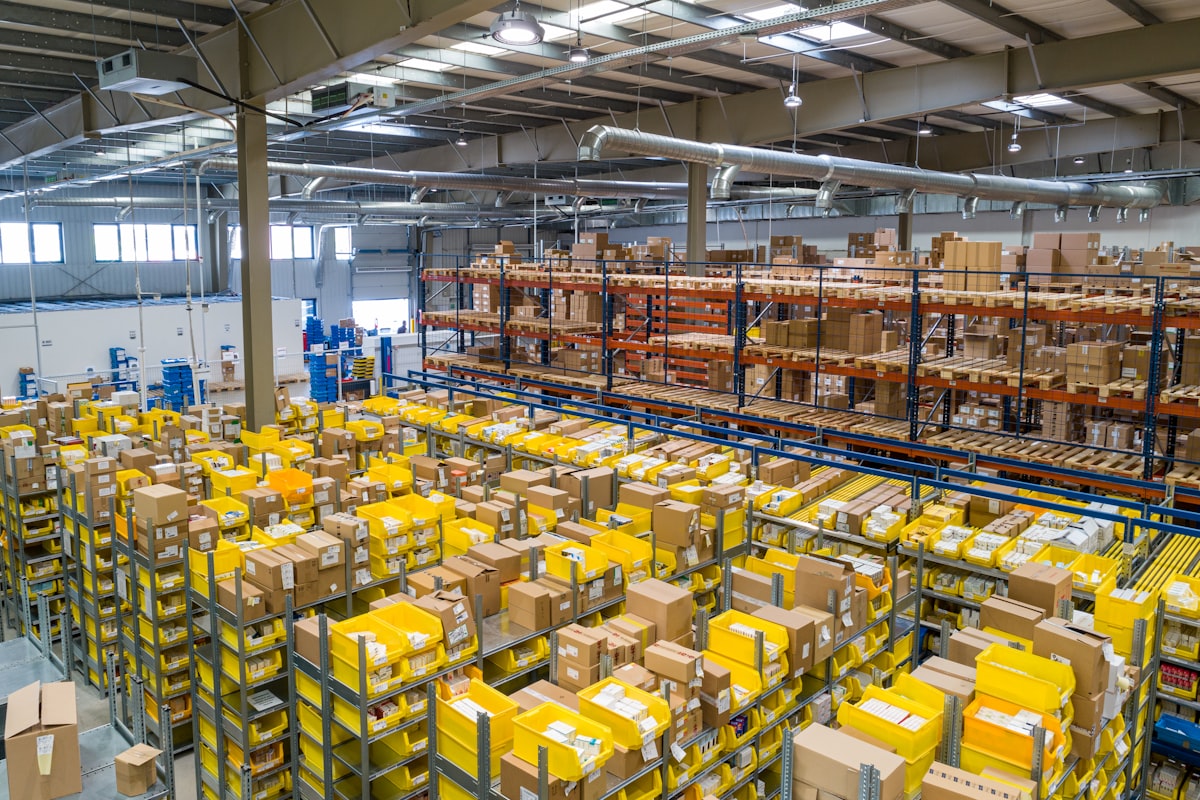
The data-gathering phase forms the foundation of your automation project. Engineers analyze SKU profiling, historical order data, and future-state growth projections. This comprehensive review ensures the proposed system aligns with both current needs and long-term business objectives. Consultants will categorize your inventory into fast, medium, and slow-moving goods to determine the optimal storage depth for each zone.
Structural and seismic assessments are mandatory. High-density automated loads require robust support systems. Engineers must verify that the facility can safely handle the dynamic forces exerted by moving automation. Structural audits confirm whether space-reduction targets are physically and operationally achievable within your specific building. They calculate the sway and deflection limits of the steel to ensure shuttles do not derail at the highest storage levels.
Modern system design relies heavily on 3D modeling and digital twin simulations. These tools validate system layouts and identify potential bottlenecks before manufacturing begins. Simulating material flow ensures the physical design supports the required throughput metrics. A digital twin allows operators to inject simulated hardware failures to see how the system recovers and reroutes inventory.
Engineering services match specific automation technologies to the physical rack structure. Whether utilizing 3D pallet shuttles, mini-load AS/RS, or unit-load cranes, the racking must accommodate specific dynamic loads. Engineers calculate the acceleration and deceleration forces of autonomous shuttle systems to prevent structural fatigue over time. They also design the safety fencing and light curtains required to protect human workers operating near the automated zones.
Coordinating the precision manufacturing of high-tolerance structural steel bridges the gap between engineering and installation. Automated systems require millimeter-level precision. Any deviation in manufacturing can cause shuttle jams or system faults during operation. Quality control inspectors must verify the straightness of every rail and the exact placement of every mounting hole before the steel leaves the factory.
Logistics planning services manage sequential delivery scheduling. Just-in-time site arrivals prevent staging bottlenecks on active warehouse floors. Proper logistics coordination ensures installation crews have the right materials at the right time, maintaining project momentum without disrupting ongoing operations. Flatbed trucks must be scheduled to arrive exactly when the erection crew is ready for that specific tier of racking.
Warehouse software operates in a strict hierarchy. Enterprise Resource Planning systems manage broad business data. Warehouse Management Systems handle inventory logic. Warehouse Execution Systems optimize workflow, while Warehouse Control Systems directly command the automated hardware. Understanding this stack is necessary for a smooth deployment.
Integration services ensure seamless data handshakes between the physical racking automation and the facility's digital brain. A breakdown in software communication renders the physical hardware useless. Rigorous API testing and logic mapping are critical to achieving a fully synchronized automated environment. Software engineers must map every possible error code from the shuttle hardware back to the WMS so operators know exactly why a pallet is stuck.
Physical deployment involves staging materials, erecting structural steel to ultra-tight tolerances, and installing electromechanical components. Crews install rails, shuttle guides, busbars, and power feeds. Every component must align perfectly to ensure smooth operation. Installers use laser plumbing tools to guarantee the uprights are perfectly vertical, as even a one-degree lean can cause a crane to fault out at forty feet in the air.
Calibration services are paramount during this phase. Rails and racking elements must be aligned within millimeter-level tolerances. Proper calibration prevents shuttle robot jams and tracking errors. Utilizing specialized, certified automated racking installation services rather than general contractors ensures safety compliance and protects your equipment warranties. These specialized crews know how to properly torque every bolt and shim every baseplate to meet the manufacturer's exact specifications.
The commissioning phase tests the system without live inventory. Engineers push mechanical limits, verify software routing, and execute error-recovery protocols. This controlled environment allows teams to identify and resolve issues before introducing actual product loads. They will intentionally block sensors to ensure the safety stops engage immediately.
A rigorous Site Acceptance Testing protocol proves the system meets contractual throughput and safety guarantees. The vendor must demonstrate that the installation performs exactly as modeled. Final sign-off should only occur after the system passes all SAT parameters flawlessly. The SAT should include a continuous 48-hour run test to verify the system can handle sustained peak-level operations without overheating or throwing software faults.
Ongoing Service Level Agreements protect your investment. These agreements typically include 24/7 remote software support and preventative mechanical maintenance. Regular inspections identify wear and tear before it causes unplanned system downtime. Technicians will check the tension on lift chains, inspect the wear on shuttle wheels, and clean the optical sensors.
Operator training services transition system ownership safely to internal warehouse staff. Your team must understand daily troubleshooting, error clearing, and basic maintenance procedures. Proper training empowers your staff to manage minor issues quickly, keeping operations running smoothly. They need to know how to manually retrieve a dead shuttle from the middle of a storage lane using the provided recovery tools.
Turnkey integrators provide a single point of accountability. They offer streamlined project management and cohesive software-to-hardware integration from design to deployment. This model simplifies communication and reduces the internal management burden on your team. You sign one contract and deal with one project manager.
However, this approach carries potential drawbacks. You may face higher overall project costs due to the integrator's markup on hardware. There is also a risk of being locked into proprietary hardware or software ecosystems, which can limit future flexibility and increase long-term maintenance expenses. If you want to expand the system in five years, you are forced to use their specific equipment.
The best-of-breed approach allows you to select the exact best hardware manufacturer and pair them with an independent software integrator. This method offers superior cost control and ensures you get top-tier components for every aspect of the project. You can buy the steel from a racking specialist and the shuttles from a robotics firm.
The trade-off is a high internal project management burden. You must coordinate multiple vendors and manage the schedule overlaps. There is a significant risk of vendors blaming each other during integration bottlenecks or physical install delays, requiring strong internal leadership to keep the project on track. You essentially become the general contractor for your own automation project.
Vetting service providers requires a strict checklist. Request verifiable case studies in similar industries to confirm their specific expertise. Review safety incident rates, specifically EMR scores, for their installation teams to ensure a culture of safety. A high EMR score indicates a history of workplace accidents, which introduces massive liability to your facility.
Audit their financial stability to ensure long-term support viability. A vendor must be financially sound to honor warranties and provide ongoing maintenance decades after the initial installation. Thorough vetting prevents partnering with firms incapable of supporting complex automated systems. Ask for references from clients who have been running their systems for at least three years to gauge the quality of their post-go-live support.
Global steel shortages or electronic component delays can stall your project indefinitely. Material scarcity remains a persistent threat to construction timelines. You must anticipate these delays during the initial planning phases. A missing batch of microchips for the shuttle controllers can halt the entire go-live sequence.
Mitigate this risk by establishing contractual milestones tied to procurement. Utilize phased installation schedules to allow partial system usage while waiting for delayed components. This strategy keeps parts of your operation moving even if the full system is not complete. Require vendors to hold critical spare parts in domestic warehouses before the installation begins.
A common risk occurs when physical racks and shuttles are installed, but the WMS cannot accurately direct the inventory. This disconnect causes severe go-live delays and operational paralysis. Hardware is useless without intelligent software control. If the WCS sends a pallet to a location the WMS thinks is full, the system will crash.
Mandate robust Factory Acceptance Testing for software logic before the physical build is even completed. Testing the software in a simulated environment ensures API handshakes and routing logic function correctly. Resolving software bugs early prevents costly delays on the warehouse floor. Require the software team to demonstrate successful communication between your specific WMS version and their WCS emulator.
Installing automated systems in an active warehouse disrupts current fulfillment operations. Construction dust, staging areas, and power interruptions threaten daily throughput. Managing this disruption is critical for Brownfield projects. Forklift traffic must be rerouted around the active construction zones.
Utilize phased zoning strategies to isolate construction areas. Schedule off-hours installation services to minimize interference with peak picking times. Employ temporary off-site inventory buffering to maintain order fulfillment while specific warehouse zones are offline for upgrades. Erect temporary floor-to-ceiling dust barriers to protect your existing inventory from the debris generated during concrete anchoring.
A: Services include feasibility studies, structural and seismic engineering, 3D simulation, and manufacturing coordination. They also cover software integration for WMS/WCS, physical installation, precision calibration, commissioning, and ongoing preventative maintenance.
A: Timelines vary based on scale and facility type. Physical installation typically ranges from 3 to 9 months. This follows a comprehensive 6 to 12-month design, engineering, and manufacturing phase.
A: A new WMS is not always required. However, your existing WMS must be capable of integrating with a Warehouse Control System via robust APIs to manage and direct the automated hardware effectively.
A: Cold storage requires specialized metallurgical engineering for sub-zero temperatures. Services must account for condensation-resistant electrical components and custom installation techniques that handle extreme thermal expansion and contraction.
A: A manufacturer builds the physical hardware like racks, cranes, and shuttles. A systems integrator provides the overarching services to design, connect, and install multiple technologies into one cohesive operational solution.
A: Paid engineering studies are standard practice for complex automation projects. These upfront engineering costs are frequently credited toward the final project invoice if that specific vendor is selected for the build. The exact investment depends on facility size and system complexity.
A: Installation services must adhere to strict regulatory frameworks. Key standards include OSHA guidelines, Rack Manufacturers Institute specifications, and local seismic building codes to ensure structural integrity and worker safety.


