

Views: 0 Author: Site Editor Publish Time: 2026-07-07 Origin: Site


Procuring incompatible or structurally compromised racking systems introduces severe operational and financial risks to your facility. A catastrophic failure can halt operations, bottleneck throughput, and void facility insurance policies. Navigating the industrial storage market requires balancing immediate capital constraints with strict engineering tolerances, material handling equipment requirements, and facility limitations.
Evaluating warehouse racks for sale demands a systematic, engineering-first framework. Buyers must look beyond the initial price tag to ensure structural integrity, workflow alignment, and long-term scalability. A rigorous technical evaluation prevents costly retrofits and ensures the chosen system safely supports your operational demands.
Auditing current and projected inventory levels forms the foundation of rack selection. Calculate maximum pallet weights, assess standard pallet dimensions, and identify any product overhang. These metrics directly dictate beam capacities and upright frame depths. Accurate weight distribution data prevents localized overloading and structural fatigue. You need to know exactly what you are storing before you buy the steel to hold it.
SKU turnover rates dictate the appropriate racking architecture. High-velocity operations utilizing First-In, First-Out (FIFO) inventory management require different configurations than those using Last-In, First-Out (LIFO) methods. Aligning the storage system with inventory flow minimizes travel time and maximizes picking efficiency. If your forklift drivers spend half their shift digging out buried pallets, your racking layout is failing your operation.
Plan for three to five years of SKU growth and product changes. Future-proofing storage prevents premature and costly system re-configurations. Select adjustable systems that accommodate changing pallet profiles without requiring complete teardowns or extensive engineering reviews. A system that works today but fails tomorrow is a bad investment.
| Inventory Flow | Recommended Racking Type | Best Use Case |
|---|---|---|
| FIFO (First-In, First-Out) | Pallet Flow, Selective | Perishables, date-sensitive goods, high turnover SKUs. |
| LIFO (Last-In, First-Out) | Drive-In, Push-Back | Homogeneous products, non-perishables, bulk storage. |
| Random Access | Selective Pallet Racking | Highly diverse SKU profiles requiring 100% accessibility. |
A critical relationship exists between rack point-loads and concrete slab thickness. The PSI rating of your floor slab determines how much weight a single rack column can safely support. Exceeding slab capacity causes concrete cracking, rack settlement, and potential collapse. Always consult a structural engineer to verify slab ratings before installation. Do not guess your slab capacity based on the building's age.
Measure usable vertical space accurately. Account for HVAC ductwork, lighting fixtures, and fire suppression systems. The clear height available for storage is often significantly less than the overall building height. Failing to account for overhead obstructions results in unusable top-tier storage locations.
Selective pallet racking provides high accessibility and low-to-medium storage density. This system allows forklifts direct access to every pallet position, making it ideal for facilities with diverse SKU profiles and rapid turnover requirements. It is the most common system found in distribution centers.
While selective racking offers the lowest cost per pallet position, it requires maximum aisle space. The large footprint dedicated to forklift travel reduces overall storage density compared to alternative systems. Evaluate whether accessibility outweighs the need for maximum cubic volume utilization. If you have thousands of different SKUs, selective is usually the only viable option.
High-density systems maximize footprint utilization by reducing aisle space. Drive-In racks allow forklifts to enter the storage structure, ideal for large volumes of identical SKUs. Push-Back systems use nested carts on inclined rails, offering higher density with LIFO access. Pallet Flow systems utilize gravity rollers for dense FIFO storage.
These systems maximize cubic volume at the cost of immediate SKU accessibility. They require precise pallet sizing and careful forklift operation. Evaluate high-density options when land costs are high or facility expansion is impossible. A poorly loaded Drive-In system can lead to severe forklift damage to the uprights.
Cantilever racks accommodate long, bulky items like lumber, piping, or furniture. They eliminate vertical obstructions, allowing uninterrupted horizontal storage. Carton Flow systems facilitate high-volume piece picking by using gravity rollers to feed individual boxes to the pick face, improving order fulfillment speed.
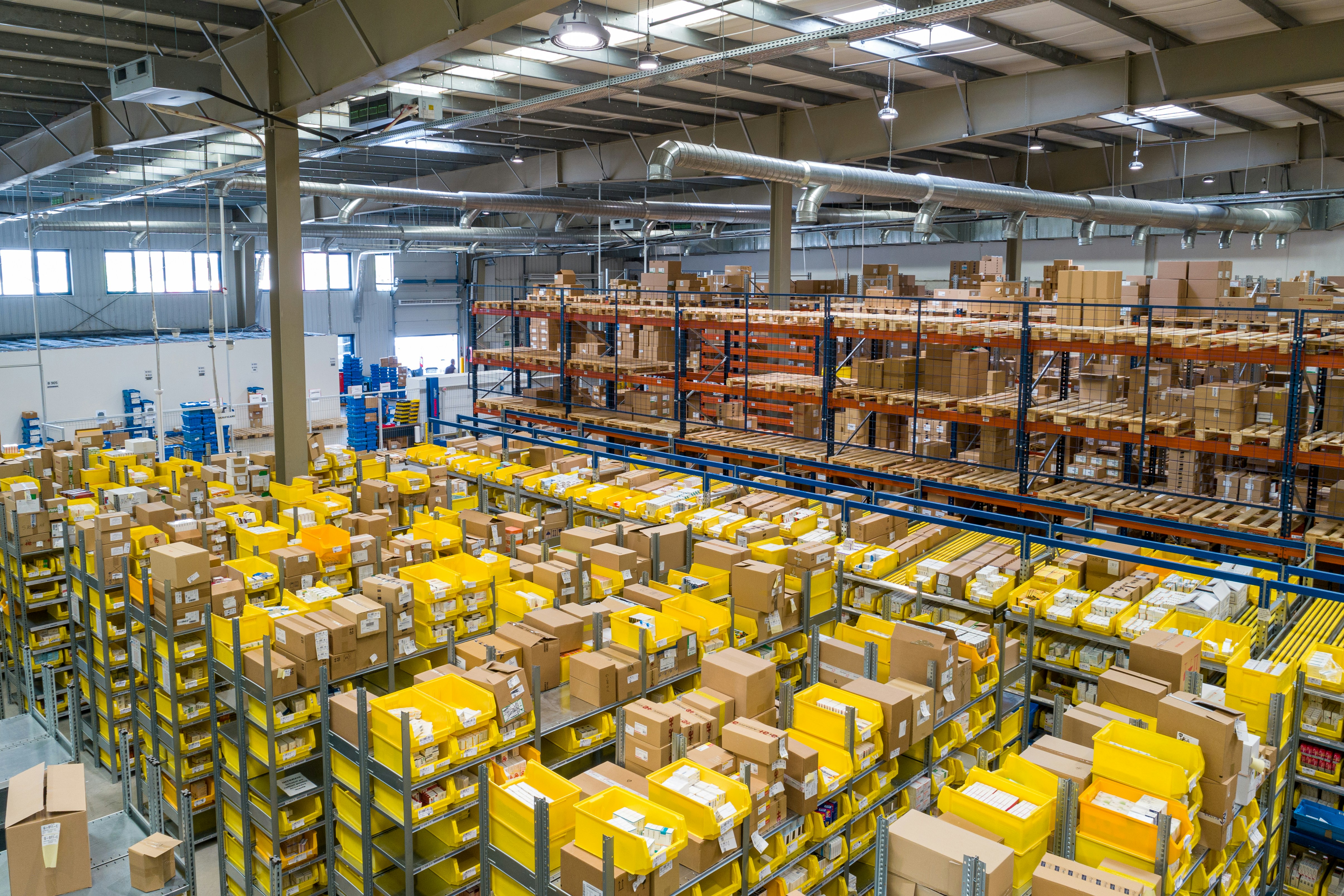
Used racks offer immediate cost savings and shorter lead times compared to new systems. However, new systems provide warranties, custom engineering, and a guaranteed lifespan. Weigh the upfront capital reduction against the long-term reliability and manufacturer support of new equipment. Sometimes the lead time on new steel forces a buyer's hand toward the used market.
Choosing used warehouse racks carries the risk of limited replacement part availability. Furthermore, older systems may require expensive retrofitting to meet current local seismic or fire codes. Assess these hidden costs before finalizing a purchase. A cheap used system becomes expensive if it fails a permitting inspection.
Implement a rigorous checklist when evaluating used inventory. Inspect uprights for impact damage or twisting. Check for sheared safety pins, repainted rust, and unauthorized welding or repairs. Any structural compromise invalidates load capacities and creates severe safety hazards.
Demand detailed refurbishment documentation from sellers. Request structural integrity reports and written guarantees of safety or durability. Reputable dealers will provide transparency regarding the history and condition of the used materials.
Establish mandatory verification protocols. Request high-resolution video walk-throughs or conduct in-person site visits to inspect the specific batch of used materials before purchasing. Never buy used racking sight unseen. Photos can easily hide twisted columns or severe rust.
Combining different brands or teardrop styles creates severe safety hazards and liability issues. Mixing components from different manufacturers, such as Ridg-U-Rak with Interlake, without explicit engineering approval voids load ratings. Mismatched tolerances lead to unstable connections and potential system failure. Even if the teardrop punch looks identical, the steel gauge and locking mechanisms differ.
Understanding load capacity charts is essential. These charts specify the maximum allowable weight per beam pair and upright frame based on specific beam spacing. Never exceed the manufacturer's stated capacities. The capacity of an upright frame decreases as the vertical distance between beam levels increases.
The industry standard for acceptable beam deflection is typically the beam length divided by 180. Exceeding this limit indicates overloading and impending structural failure. Regularly inspect beams for permanent deformation. If a beam remains bowed after the pallets are removed, it has yielded and must be replaced immediately.
Map racking design directly to forklift specifications. Ensure aisle widths accommodate the right-angle stack (RAS) dimensions of your equipment. Verify outrigger clearance for reach trucks and confirm the maximum lift height aligns with the top beam level. Buying racks without consulting your forklift specifications is a recipe for disaster.
| Forklift Type | Typical Aisle Width Required | Racking Compatibility Notes |
|---|---|---|
| Sit-Down Counterbalance | 12 to 14 feet | Standard selective racking; requires wide turning radius. |
| Reach Truck | 8.5 to 10 feet | Requires clear space under bottom beam for outriggers. |
| Order Picker | 4 to 5 feet | Used with wire decking or carton flow for piece picking. |
| VNA (Very Narrow Aisle) | 5.5 to 6 feet | Requires wire or rail guidance systems installed in the floor. |
Local seismic ratings dictate racking engineering requirements. Higher seismic zones require heavier gauge steel, larger footplates, and specific concrete anchoring protocols. Ensure the system is engineered to withstand the seismic forces specific to your facility's location. A rack designed for Texas will not pass code in California.
Anchoring is not optional. Every upright column must be secured to the concrete slab using heavy-duty wedge anchors or strike anchors as specified by the engineer. The size and embedment depth of these anchors are calculated based on the overturning moments generated by the rack's height and load.
Freight costs for heavy steel shipments significantly impact the total project budget, especially when purchasing out-of-state inventory. Calculate these costs early in the evaluation process to determine true project feasibility. Steel is heavy, and shipping air is expensive; maximize trailer loads by nesting beams and uprights properly.
Coordinate delivery requirements carefully. Determine whether flatbed or enclosed dry van delivery is necessary. Secure dock-high access and ensure high-capacity forklifts are on-site and ready to offload heavy bundles safely upon arrival. Flatbeds require side-unloading from ground level, which means you need a forklift with sufficient capacity and long forks.
Installing racks without checking local high-piled combustible storage codes invites fines and mandatory teardowns. Consult local fire marshals to ensure compliance with all regulations regarding storage height and commodity classifications. Plastics and aerosols require vastly different fire suppression systems than metal parts.
Integrate in-rack sprinklers where required and maintain mandatory flue space compliance. Clear transverse and longitudinal flue spaces allow proper water penetration during a fire event. Blocked flue spaces are the most common violation cited during fire marshal inspections.
Vet sellers thoroughly. Determine if they offer installation services, provide stamped engineering drawings, and offer safety guarantees. A reputable vendor supports the entire lifecycle of the racking system. Ask for references from facilities with similar operational profiles.
Professional installation ensures racks are plumb, level, and properly shimmed. Improper installation compromises structural integrity and voids manufacturer warranties. Utilize experienced, certified installation crews. A rack that is out of plumb by even half an inch drastically reduces its load-bearing capacity.
Buying warehouse racks is an engineering decision, not just a purchasing transaction. Safety and compliance must always override initial cost savings. Prioritize structural integrity and workflow alignment to ensure long-term operational success.
Follow a strict evaluation hierarchy: verify facility and slab limits, ensure MHE compatibility, confirm load requirements, calculate freight and logistics, and thoroughly vet vendor credibility.
Take the following steps to finalize your procurement process:
A: Demand original manufacturer load capacity charts and require independent engineering assessments. Avoid any racking with uncertified modifications, as these void structural guarantees. Always check the beam spacing, as capacity drops when vertical distance between levels increases.
A: Aisle widths vary significantly based on equipment. Narrow-aisle reach trucks require approximately 9 feet, while standard sit-down counterbalanced forklifts need 12 feet or more. Always verify your specific forklift's right-angle stack dimension before finalizing the layout.
A: Yes. OSHA and ANSI/RMI standards mandate that all racking systems must be securely anchored to the concrete floor slab to ensure stability. The specific anchor size and embedment depth depend on the rack's height, load, and local seismic zone.
A: Standard warranties are rare for used lots. However, reputable dealers should provide documented refurbishment histories and engineering safety approvals. Always conduct a physical inspection for rust, deflection, and unauthorized welds before purchasing.
A: The immense weight of industrial steel creates significant shipping overhead. Buyers must calculate freight distances and arrange dedicated offloading equipment, which adds substantial cost. Flatbed deliveries require ground-level side unloading with heavy-duty forklifts.


