

Views: 0 Author: Site Editor Publish Time: 2026-07-18 Origin: Site


Sourcing materials for facility expansions requires balancing immediate availability with structural safety. When you look for used warehouse racking for sale, you bypass the long fabrication lead times of new steel. However, the secondary market demands rigorous physical inspections. You cannot rely on visual assumptions. A compromised upright or a mismatched beam profile introduces severe safety hazards to your floor operations. This guide details the exact field protocols for evaluating secondary market storage systems. We cover how to measure components, verify load capacities without original engineering stamps, and identify critical structural damage. You will learn how to navigate dealer grading systems and avoid logistical failures during teardown and freight. Proper vetting ensures your storage infrastructure meets local compliance codes while supporting your operational scale.
Procuring secondary market steel offers substantial upfront capital retention compared to ordering newly fabricated systems. This allows operations managers to allocate funds toward other facility upgrades like automation or material handling equipment. However, buyers must account for hidden expenses that quickly erode these initial savings. Freight logistics often run higher if you ship fully assembled upright frames rather than knocked-down components, as assembled frames consume massive amounts of trailer space. Missing safety pins, damaged footplates, or missing crossbars discovered during the installation phase require immediate replacement. If you purchase unverified materials without documentation, you will face unexpected engineering fees to certify the system for local municipal permits.
The primary operational advantage of the secondary market is immediate deployment. You can source materials from local dealer inventories and have them on your floor within days. This completely bypasses the multi-week or multi-month fabrication queues associated with new steel production. The direct trade-off is a strict limit on customization. You must design your facility layout around the available inventory sizes. Instead of ordering exact custom dimensions to maximize your specific vertical cube, you adapt your aisle widths and beam elevations to the standard beam lengths and upright heights currently sitting in the dealer's yard.
Selecting high-demand used warehouse racking preserves your future asset value. Standard teardrop style systems remain the most universally accepted format in the industry. Universal styles are much easier to liquidate, repurpose, or sell later. Many reputable stocking dealers offer structured buyback programs or trade-in credits. When you eventually need to upgrade your storage capacity, change your layout, or relocate your entire facility, these programs provide a clear exit strategy for the physical assets.
Distinguishing between acceptable surface wear and critical structural damage is a mandatory field skill. Minor paint scratching, superficial surface rust, and warehouse dust do not impact the load-bearing performance of the steel. However, specific defects require immediate rejection of the material. Do not purchase upright columns with visible bends, creases, or forklift impact damage. Reject twisted beam faces, cracked connection points, re-welded joints, and structural deflection that exceeds Rack Manufacturers Institute limits. Deformed, severely rusted, or detached footplates compromise the entire floor anchoring system and must be avoided entirely.
| Component | Acceptable Wear | Critical Damage (Reject) |
|---|---|---|
| Upright Columns | Scratched paint, minor dust, superficial rust spots. | Creases, bends, forklift impact dents, twisted steel. |
| Load Beams | Faded paint, sticker residue, minor surface scuffs. | Downward deflection, twisted faces, cracked endplate welds. |
| Footplates | Surface discoloration, minor edge wear. | Bent plates, sheared anchor holes, heavy flaking rust. |
| Bracing | Minor paint chips. | Bent horizontal or diagonal struts, missing bolts. |
Dealers categorize used inventory into three distinct tiers. Understanding these grades helps set accurate expectations for condition, safety, and deployment readiness.
Never assume load capacity based on visual similarity to new racks. A beam that looks identical to a heavy-duty profile might only be rated for a fraction of the weight based on the internal steel gauge. Maximum load limits are dictated by beam depth, steel thickness, face size, and the vertical beam spacing on the upright frames. To ensure safety, hire independent structural engineers to inspect the specific profiles. They will calculate exact capacities based on the steel gauge and provide updated, stamped load plaques for the used system.
Accurate measurements prevent costly installation delays and layout failures. Use these exact protocols when evaluating racks on-site.
The teardrop punch style is the most common standard in North America, making it the easiest to source and scale on the secondary market. However, forcing incompatible brands together introduces severe structural and legal risks. Mixing proprietary systems like Ridg-U-Rak, Speedrack, structural bolted, or slotted designs compromises the locking mechanisms. Even within teardrop styles, mismatched pin connections can fail under heavy pallet loads, leading to catastrophic collapses. Always verify that the beam endplates seat perfectly into the upright punching without forced hammering.
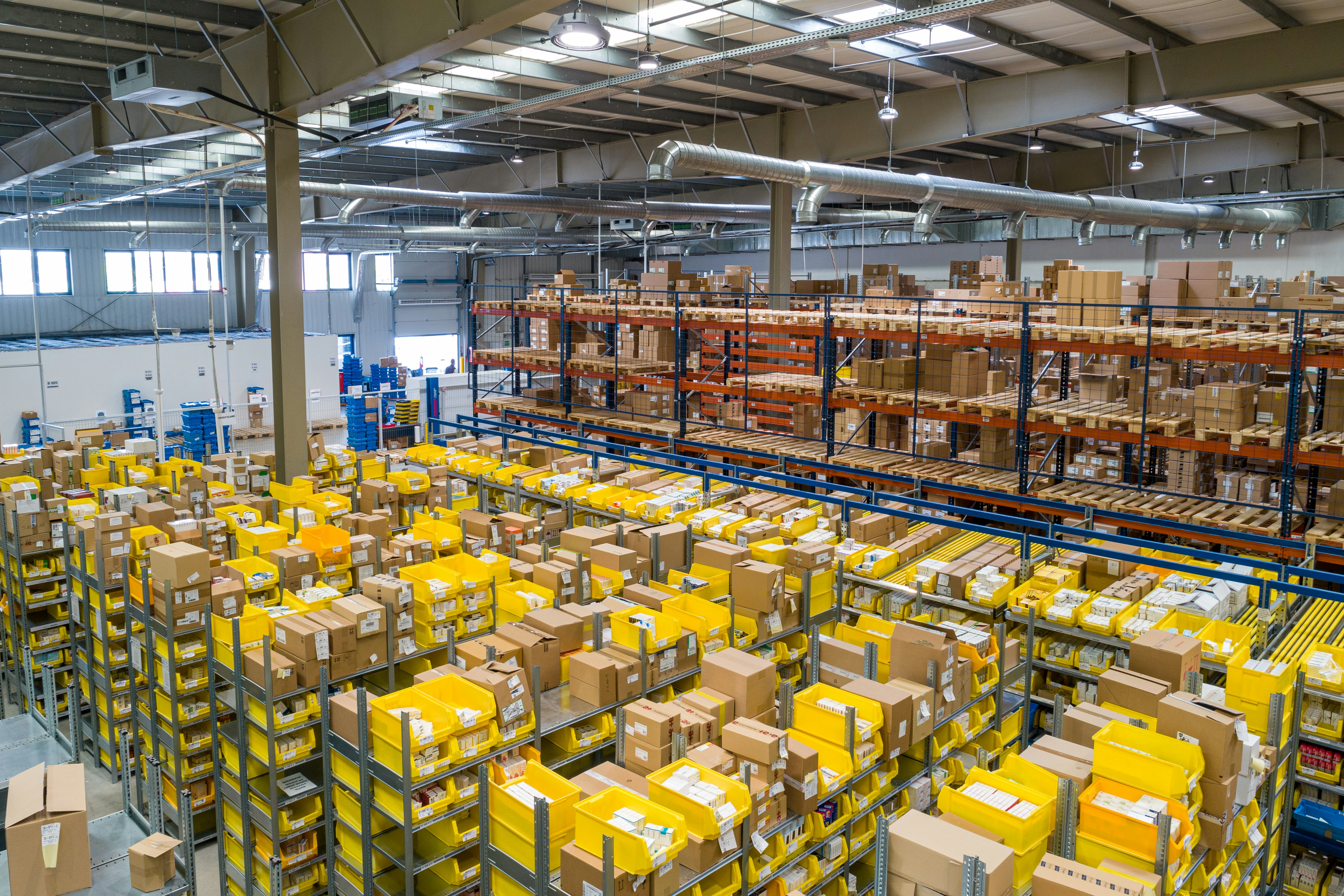
Selective racking represents the lowest-risk, most widely available used option. It is straightforward to inspect, simple to install, and easy to scale as your inventory grows. When evaluating selective systems, focus on standard beam lengths like 96 inches or 144 inches, and standard upright depths of 42 or 48 inches. Sticking to standardized sizes ensures you can easily find replacement parts, wire decking, or add-on bays in the future without hunting for obscure dimensions.
High-density systems carry significantly higher risk on the used market due to their moving mechanical parts and strict alignment tolerances. Push-back and pallet flow systems rely on carts, rails, and dynamic wheels that degrade over time from heavy forklift loading. You must physically test flow lanes with actual pallets. Inspect wheel assemblies for seized bearings or flat spots. Verify that drive-in structural ties, overhead bracing, and rail brackets are perfectly straight and undamaged before finalizing any purchase.
Used cantilever systems are designed for storing lumber, steel pipe, or bulky furniture. They require specific structural checks. Inspect the arms for downward deflection, which indicates previous overloading. Check the keyway or wedge pin integrity at the arm-to-column connection points to ensure they lock tightly. Ensure the base stability is uncompromised. Cantilever bases bear the entire overturning moment of the loaded system, so any damage to the base or its floor anchors is an immediate rejection criteria.
Secondary-market accessories require the same rigorous inspection as the heavy steel components. A failed wire deck can drop a pallet just as easily as a failed beam.
OSHA holds the facility owner, not the used equipment dealer, legally responsible for maintaining a safe working environment. RMI guidelines apply equally to used racking installations. You must ensure strict compliance with column anchoring requirements, using the correct diameter and depth of wedge anchors. Install accurate load-bearing capacity plaques at the end of every aisle. Verify that all structural safety clips, whether integrated drop-pins or aftermarket J-bolts, are present and engaged to prevent beam dislodgement from forklift upward impacts.
Installing used racking in high-seismic zones introduces significant regulatory complexity. Local municipalities require site-specific engineering calculations and stamped drawings to issue building permits. Buying undocumented used racking often leads to permit rejections. Engineers cannot certify unknown steel grades, unverified weld quality, or heavily rusted baseplates for seismic loads. If you operate in a seismic zone, you must source used materials that have clear manufacturer origins and hire an engineer before purchasing the steel.
Understanding the seller's business model helps gauge your purchasing risk and logistical burden.
| Vendor Type | Inventory Control | Risk Level | Buyer Responsibility |
|---|---|---|---|
| Stocking Dealers | Owns and stores inventory on-site. Inspects and grades materials. | Low | Verify dimensions and arrange standard LTL or flatbed freight. |
| Brokers | Drop-ships unseen inventory directly from a third-party source. | High | Manage mismatched shipments, handle concealed damage claims. |
| Direct Liquidations | Buying "as-is, where-is" straight off a closing warehouse floor. | Highest | Bear all teardown labor, sorting, freight, and structural integrity risks. |
The way used racking is stored dictates how you inspect it. Standing rack allows for the best visual inspection. You can easily check for frame deflection, plumbness, and structural settling under an active load. Banded or bundled rack sitting in a yard is much harder to evaluate. When inspecting bundled inventory, request random bundle openings. Check the inner pieces for concealed damage, trapped moisture causing severe rust, or hidden forklift impact bends that were buried in the middle of the stack.
Exercise extreme caution when sourcing materials online. Major red flags include a lack of high-resolution or close-up photos of the connection points and footplates. Refusal by the seller to allow on-site physical inspections is a hard stop. Vague capacity claims without structural documentation or manufacturer identification indicate a high-risk purchase. Listings that omit critical assembly hardware like safety pins, footplates, or crossbars mean you will spend weeks sourcing compatible parts before installation can begin.
Professional teardown methods preserve the quality of used steel. Proper dismantling involves carefully unbolting components, removing safety clips without snapping them, and cutting floor anchors flush with the concrete. Rough dismantling twists frames, damages baseplates, and bends beam endplates. Ensure your logistics plan accounts for the condition in which the racks will arrive. Flatbed shipping requires proper dunnage and banding to prevent transit damage. Allocate sufficient labor hours to sort, clean, and prep the used materials before your installation crew begins standing the frames.
A: Because used racking rarely includes original engineering stamps, you must measure beam depth, steel gauge, and upright spacing. Hire a structural engineer to calculate the exact capacity and provide updated load plaques for your facility.
A: Mixing different brands is highly discouraged. Even if systems share a teardrop design, slight variations in pin placement, locking mechanisms, and steel gauge can compromise structural integrity and cause catastrophic failure.
A: Grade A racking is professionally refurbished, cleaned, and repainted to look like new. Grade B racking is structurally sound but shows visible cosmetic wear, such as scratches, fading paint, or old sticker residue.
A: Yes, but it requires site-specific engineering calculations and stamped drawings to obtain local building permits. Undocumented used racking often fails to meet strict seismic municipal codes due to unknown steel grades.
A: Inspect the wire mesh for broken welds and heavy rust. Check the support channels underneath for bends or crushing. Ensure the channel style matches your beams, using flared channels for box beams and step channels for step beams.


