

Views: 0 Author: Site Editor Publish Time: 2026-07-06 Origin: Site


Facility managers and procurement officers face conflicting mandates. You need to expand storage capacity and optimize the warehouse footprint while strictly controlling capital expenditures. Sourcing warehouse racking used for sale reduces upfront material costs and bypasses long manufacturing lead times. However, it introduces structural, operational, and compliance risks if the inventory is not rigorously vetted.
This guide provides a technical evaluation framework for assessing pre-owned storage structures. We outline how to identify structural red flags, ensure OSHA and Rack Manufacturers Institute (RMI) compliance, and select reputable suppliers. You will learn to evaluate steel degradation, verify load capacities without original manufacturer plaques, and navigate the complexities of seismic zone adjustments. Proper vetting protects your workforce, prevents catastrophic rack failure, and ensures your facility expansion remains on schedule and within budget.
Procuring pre-owned steel racking directly impacts your capital expenditure strategy. Material cost savings compared to newly manufactured steel racking are substantial. Facilities can scale operations without exhausting annual budgets. Current steel market volatility makes fixed-cost used inventory highly attractive. Buyers lock in material availability without exposure to sudden raw material surcharges or tariff-related price spikes. You must weigh these upfront savings against the costs of freight, de-installation, bundling, and re-anchoring fees to understand the true financial impact. Heavy steel incurs massive shipping charges. Sourcing materials from a facility three states away often negates the initial material savings. Localized procurement strategies yield the best financial outcomes.
Custom-manufactured new systems often require extended lead times. These delays stall facility expansions and operational upgrades. Used inventory provides immediate availability. Facilities facing sudden inventory surges or rapid expansion timelines can source, ship, and install pre-owned racks in a fraction of the time required for new fabrication. This speed to deployment keeps supply chains moving. It prevents bottlenecks in distribution centers. When a new contract requires immediate pallet positions, waiting months for freshly rolled steel is rarely an option. Pre-owned racks sit in yards ready for flatbed loading today.
Purchasing used assets accelerates the return on investment for facility expansions. Tax depreciation schedules often apply to used equipment. Operations write off the purchase efficiently. Rapid deployment combined with lower initial capital outlay means the storage system begins generating operational value immediately. This shortens the payback period. Financial controllers favor assets that deploy quickly and depreciate favorably. Used racking fits this financial model perfectly when sourced correctly.
Repurposing heavy industrial steel provides a measurable environmental benefit. Steel production is highly energy-intensive. Extending the lifecycle of existing racking systems reduces your carbon footprint. It contributes to circular economy initiatives. This aligns with corporate Environmental, Social, and Governance (ESG) goals without compromising structural requirements. Reusing existing steel prevents thousands of pounds of material from entering the scrap cycle prematurely. It represents a tangible, measurable sustainability win for large-scale distribution centers.
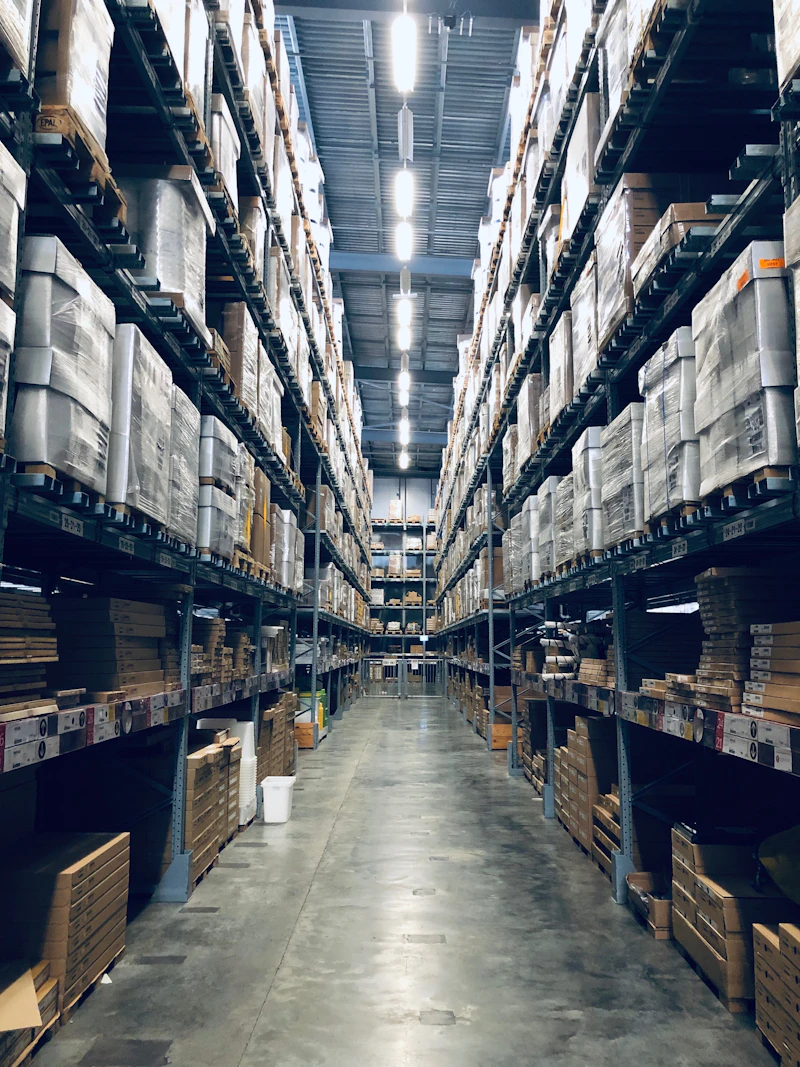
Selective pallet racking represents the most abundant used inventory available. Common profiles include teardrop, slotted, structural, and double-deep configurations. When evaluating these systems, focus heavily on brand compatibility. Interlake, Speedrack, and Ridg-U-Rak components often require specific connector types. Inspect beam connector integrity closely. Ensure the locking mechanisms function correctly. The profile must match your existing warehouse layout to avoid integration failures. Forcing incompatible beams into uprights causes point-loading failures and immediate structural collapse under weight.
| Racking Type | Common Profiles | Primary Inspection Focus | Integration Risk Level |
|---|---|---|---|
| Selective Pallet | Teardrop, Slotted, Structural | Beam connectors, brand compatibility, safety clips | Low to Medium |
| High-Density | Drive-in, Push-back, Pallet Flow | Rollers, rails, braking mechanisms, tolerances | High |
| Cantilever | Single-sided, Double-sided | Base stability, arm deflection, pin/bolt wear | Medium |
Drive-in, push-back, and pallet flow racks maximize floor space. They carry a higher risk profile when purchased used. These systems rely on moving parts like rollers, carts, and specific lane declinations. Strict engineering tolerances govern their safe operation. Meticulous inspection of rails, braking mechanisms, and cart wheels is mandatory. Any deviation in track alignment or roller degradation causes pallet hangups. A stuck pallet in a deep lane requires dangerous manual intervention. Never purchase used high-density systems without a full mechanical audit of the moving components.
Facilities storing lumber, piping, and bulky items rely on cantilever racking. Evaluation must focus on base stability and arm deflection limits. Inspect the connection pin and bolt hole wear carefully. The arm-to-column key connection integrity dictates the system's ability to hold heavy, unbalanced loads safely. Hairline fractures near the base or column connections disqualify the system from safe use. Arms that show permanent downward deflection have been overloaded by previous owners and must be scrapped.
A complete storage solution requires auxiliary components. Assess used wire decking for rust, structural sag, and accurate capacity ratings. Damaged wire mesh cannot support point loads safely. Inspect row spacers, column protectors, and wall ties for impact damage. Replacing compromised accessories is non-negotiable for maintaining overall system stability. Missing row spacers allow back-to-back rows to shift independently during forklift impacts, leading to catastrophic domino-effect collapses.
Identifying unacceptable deflection in beams and uprights is the first step in physical inspection. Apply the RMI 1/180th rule to measure bowing. Inspect the lower 48 inches of upright frames meticulously. This is the primary forklift strike zone. Look for impact damage, twisting, or buckling. Differentiate between surface rust and structural oxidation. Surface rust is cosmetic. Deep steel degradation, especially on racks stored outdoors, compromises load-bearing capacity. Flaking rust that leaves pitting in the steel means the gauge thickness is compromised.
Different frame constructions require specific inspection techniques. For welded frames, check weld-zone micro-fractures. Look closely around teardrop connections and baseplates. For bolted structural frames, evaluate bolt-shear risks, hole elongation, and thread stripping. Loose or missing bolts in structural frames indicate poor maintenance. They require immediate replacement with high-grade hardware. Never reuse old bolts on structural racking. Always source new Grade 5 or Grade 8 hardware for reassembly.
The previous environment dictates the steel's current condition. Identify signs of chemical exposure. Chemicals accelerate corrosion. Racks used in cold storage suffer from metal embrittlement. This reduces their impact resistance. Salt spray exposure causes rapid oxidation. This is common in coastal facilities or specific manufacturing processes. Understanding the provenance helps predict the remaining safe lifespan of the steel. Ask the seller exactly where the racks lived for the past decade.
Missing manufacturer capacity plaques present a severe danger. Never guess the capacity of pre-owned steel. Measure the steel gauge, beam profiles, and upright dimensions accurately. Cross-reference these measurements with original manufacturer load tables. If the manufacturer is unknown, the system must be evaluated by a professional engineer to establish safe working loads. Assuming a beam can hold 5,000 pounds just because it looks sturdy is a fast track to a warehouse collapse.
Check every bundle for missing or damaged safety clips, locking pins, and baseplates. Safety clips prevent beams from dislodging during forklift operations. Sourcing new, high-strength concrete anchors and shims is an absolute necessity. Never reuse old anchoring hardware. Extraction compromises its tensile strength and holding power. Buy new wedge anchors sized correctly for your specific slab thickness and seismic requirements.
Regulatory bodies view used racking exactly as they view new installations. The buyer assumes all liability if the system fails to meet current safety standards outlined in ANSI MH16.1. Ignorance of the rack's history does not shield facility managers from OSHA citations. Compliance requires documented load capacities, proper anchoring, and visible safety labeling. You must post updated load plaques at the end of every aisle. These plaques must reflect the engineered capacity of the used steel in its current configuration.
Seismic category classifications affect used racking eligibility. A system designed for a low-seismic area cannot be legally installed in a high-seismic zone without modification. Standard baseplates may need upgrading to oversized seismic baseplates. Upright frames may require tighter spacing or thicker steel gauges to handle the specific SDS values of your geographic location. Moving racks from Ohio to California requires a complete re-engineering of the anchoring and bracing systems.
Obtaining PE-stamped drawings certifies the system for your specific facility layout, slab thickness, and load requirements. Engineers calculate the exact stresses the used steel will face in its new environment. This documentation is critical for proving compliance during inspections. It protects the company from liability in the event of an accident. Do not install pre-owned steel without a PE stamp approving the layout and load calculations.
Installing undocumented used racking complicates the permitting process. Local municipality building codes and fire marshal inspections require detailed plans for high-piled storage permits. Without manufacturer data or PE stamps, inspectors will reject the installation. Securing proper documentation before installation prevents costly teardowns and operational delays. Fire marshals will look closely at flue spaces and sprinkler clearances. Used racks must accommodate these life-safety requirements perfectly.
Mandate a third-party, independent rack inspection prior to finalizing the purchase order. Independent inspectors identify structural flaws that sellers might overlook. This objective evaluation ensures you only acquire steel that meets rigorous safety standards. It protects your workforce and your investment. Write the inspection contingency directly into the purchase agreement. If the steel fails the independent audit, you walk away without financial penalty.
Liquidators and brokers offer the lowest upfront costs but present the highest risk. They sell inventory "as-is, where-is" with no engineering backing or structural guarantees. Refurbishers operate at a moderate cost but significantly lower risk. They inspect, clean, repaint, and sometimes re-weld components. They often provide structural guarantees and engineering support. Buying from a reputable refurbisher bridges the gap between the cost savings of used steel and the safety guarantees of new steel.
Demand transparency regarding the exact provenance of the racking. Ask what was stored on it. Ask whether it was housed in a freezer or corrosive environment. Determine if the racking has been stored indoors or outdoors since being dismantled. Verify that bundles are properly banded and blocked for safe flatbed shipping. Ask if they provide a warranty or guarantee of structural integrity. Get all answers in writing before issuing a purchase order.
Beware of fresh paint over deep rust or structural dents. This practice masks critical flaws. Reject inventory if the seller cannot identify the original manufacturer. Refusal to allow independent third-party inspections before shipping is a definitive dealbreaker. Clarify Incoterms immediately. Avoid agreements that shift transit damage liability to the buyer before the steel arrives at your facility. You want FOB Destination terms whenever possible.
A: Pre-owned systems generally offer significant material cost reductions compared to newly fabricated steel. The exact savings depend on the brand, condition, geographic location, and current market volatility of raw steel.
A: Yes, it can. Shipping heavy steel across long distances incurs massive freight charges. Sourcing inventory locally or regionally is crucial to preserving the initial material cost savings.
A: Mixing brands is highly discouraged unless a professional engineer certifies the connection tolerances. Even if teardrop connectors seem compatible, slight variations in steel gauge and locking pin design compromise structural integrity.
A: OSHA does not approve specific racks, but they enforce RMI standards. Used systems must meet the exact same structural, anchoring, and load-labeling requirements as brand-new installations to avoid citations.
A: You must measure the steel gauge, beam profile, and upright dimensions, then cross-reference these with the original manufacturer's engineering tables. If the manufacturer is unknown, a professional engineer must calculate the capacity.


