

Views: 0 Author: Site Editor Publish Time: 2026-08-25 Origin: Site


Warehouse managers face a challenging operational dilemma every single day. You must balance the high costs of unnecessary complete system replacements against catastrophic safety risks. Ignoring damaged uprights and beams inevitably puts your entire workforce in danger. Visual assumptions often mislead even the most experienced maintenance teams. Guessing whether a minor dent compromises structural integrity creates massive liability and compliance headaches. We need verifiable structural data and precise return-on-investment calculations to dictate the right next step. This comprehensive guide explores how to evaluate structural damage accurately without relying on guesswork. You will learn how to apply Rack Manufacturers Institute (RMI) guidelines to define safe tolerances. Finally, we will show you exactly when to execute a repair and when a complete replacement makes better sense for your facility.
Many facility leaders underestimate the true danger of compromised storage systems. Unaddressed upright deflection rapidly leads to serious OSHA citations during routine inspections. Deformed columns drastically increase the risk of catastrophic aisle collapses. Such disasters instantly drive workers' compensation premiums higher. The consequences extend far beyond immediate physical danger to your warehouse staff. You assume massive legal liability when you ignore visible structural fatigue.
You must frame this critical decision beyond mere material replacement costs. Consider the true cost of operational downtime carefully. Lost fulfillment hours cripple your daily delivery schedules. Disrupted warehouse flow bottlenecks entirely unaffected aisles nearby. Every hour of restricted access costs your business heavily. Shutting down an active picking zone destroys your daily throughput metrics. Replacing an entire system forces you to relocate hundreds of pallets temporarily.
You need an objective baseline to evaluate structural damage accurately. The Rack Manufacturers Institute (RMI) provides standardized guidelines for this exact purpose. RMI tolerances help you remove emotion from damage assessment. You can stop guessing and start relying on empirical engineering data. Utilizing the standard deflection limit rule clarifies your path forward. This standardized approach protects your business from unnecessary capital expenditures and safety liabilities.
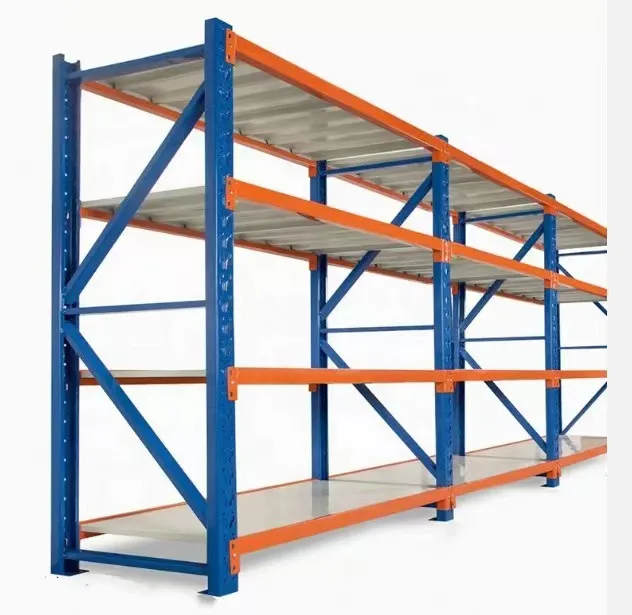
Visual inspections form the first line of defense against rack failure. You must identify specific physical markers of structural fatigue early. Routine walkthroughs reveal early warning signs before they become critical hazards. Pay close attention to these six undeniable structural signs.
Facility managers need a clear framework to guide their investments. You cannot afford to guess when evaluating heavy-duty storage infrastructure. We break down the exact conditions favoring each distinct approach.
Certain situations make targeted repairs highly advantageous for your facility. Localized damage frequently occurs in high-traffic forklift impact zones. If damage remains isolated to the lower sections of specific uprights, repair kits excel. You cut away the damaged bottom portion and bolt in a heavy-duty engineered replacement leg.
Business continuity often dictates your maintenance strategy heavily. Most operations cannot afford the teardown of an entire loaded aisle. Engineered repair kits bypass this massive operational disruption entirely. Technicians install them using custom lifting jacks to support the upper levels. This streamlined process requires minimal offloading of your active inventory.
Consider the cost-to-value ratio carefully before making a final choice. The engineering, materials, and labor for a repair kit cost significantly less. You salvage the completely undamaged upper portions of your existing system. This localized approach maximizes your maintenance budget highly efficiently.
Targeted fixes cannot solve every structural problem in your warehouse. Systemic failure requires a total systemic overhaul of your infrastructure. Widespread damage across multiple levels indicates severe abuse over many years. Compromised beam connections across several aisles demand a complete teardown for safety.
Changing operational needs also trigger mandatory replacements. Your current racking system might lack the capacity for heavier pallet loads. New product SKU profiles often require entirely different structural configurations. Integrating new automated material handling equipment usually necessitates modernized storage racks. You cannot force old racks to perform new heavy-duty tasks.
Finally, obsolete or orphaned systems force your hand entirely. Manufacturers frequently discontinue older teardrop styles and proprietary locking mechanisms. When exact replacement parts vanish from the market, engineered repairs become impossible. You must upgrade these legacy systems to maintain proper safety compliance.
Table: Repair vs. Replace Decision Matrix
| Evaluation Criteria | Favor Repair | Favor Replacement |
|---|---|---|
| Location of Damage | Isolated to the lower 48 inches of the upright column. | Widespread across multiple beam levels and rack rows. |
| Operational Downtime | Requires under an hour per upright. Minimal offloading needed. | Requires days of downtime. Full aisle unloading required. |
| Future Load Requirements | Current load capacities meet all future business needs. | Transitioning to heavier pallets or high-density storage. |
| Component Availability | System uses standard, readily available teardrop components. | System is orphaned. Original manufacturer no longer exists. |
A mandatory replacement presents a unique operational opportunity for warehouse managers. You should not simply replace old materials like for like. This moment serves as the optimal time to re-evaluate your infrastructure completely. Upgrading your materials protects your inventory long-term against recurring damage.
Consider the extreme durability differences between standard wire mesh and solid steel. Traditional wire decking frequently suffers from severe point-loading issues. Heavy, unevenly distributed loads warp wire mesh very quickly. Steel Deck Pallet Racking handles severe point-loading easily and safely. It completely prevents small inventory fall-through hazards. Solid steel decking also withstands aggressive material handling far better than wire alternatives.
You must calculate the long-term return on investment accurately. Heavy-duty steel decking requires a slightly higher upfront financial premium. However, it drastically reduces your future repair cycles and component failures. You effectively eliminate frequent deck replacement costs from your annual budget. This upfront investment stabilizes your maintenance spending for many years ahead.
Chart: Long-Term Maintenance Frequency Comparison
| Decking Material | Years 1-3 Maintenance | Years 4-7 Maintenance | Years 8-10 Maintenance |
|---|---|---|---|
| Standard Wire Mesh | Low (Minor warping) | High (Frequent replacement needed) | Very High (Total deck failure likely) |
| Heavy-Duty Steel Deck | None | Low (Routine visual inspection) | Low (Sustains original load capacity) |
Execution determines the ultimate success of your safety initiative. You need strict protocols governing how modifications occur in your facility. The requirement for professionally engineered solutions remains absolutely non-negotiable. Poor implementation creates more hazards than the original damage itself.
In-house maintenance teams should never perform unauthorized welding on structural racks. Heating the steel alters its structural temper unpredictably. You instantly assume all liability for subsequent collapses and injuries. Only rely on PE-stamped engineered drawings for any structural modifications. Certified engineers calculate the exact seismic and load ratings required.
Evaluating repair partners requires strict vetting criteria and diligent research. Shortlist vendors who provide in-house custom fabrication capabilities. They must carry comprehensive liability insurance to protect your business. Ask for documented proof of their structural engineers' active credentials. Check their references to ensure they understand your specific industry challenges.
Staging the rollout correctly minimizes costly aisle downtime. Establish clear best practices for temporary inventory relocation before technicians arrive. Professional installers use specialized lifting jacks to support loaded beams safely. This allows them to replace lower upright sections swiftly without unloading everything. Proper staging ensures your warehouse maintains acceptable throughput during the entire project.
Data-driven inspection always drives the correct repair versus replace decision. You must abandon guesswork when evaluating critical storage infrastructure. Leverage RMI guidelines to establish clear structural tolerances for your facility. Focus on localized engineered fixes for isolated bottom-upright forklift damage. Pivot to complete system replacements when confronting systemic failures or obsolete equipment.
We advise warehouse managers to take immediate proactive steps today. Initiate an independent, third-party rack safety audit as soon as possible. Establish a verifiable baseline of your current structural integrity. Secure this objective data before committing significant capital to either path. Careful planning protects your workforce and maximizes your operational budget.
A: No. In-house welding alters the structural temper of the steel unpredictably. This practice instantly voids manufacturer warranties and violates OSHA compliance standards. You assume full legal liability in the event of a collapse. All structural modifications require PE-certified engineered repairs to maintain safe load ratings.
A: Engineered repair kits minimize operational disruption significantly. Professional technicians often install them in under an hour per upright. They utilize customized hydraulic lifting jacks to support the existing structure safely. This method bypasses the need for full aisle unloading, keeping your throughput steady.
A: Yes, engineered repair kits maintain strict OSHA compliance. However, they must be designed, manufactured, and installed according to RMI guidelines. A licensed structural engineer must sign off on the specific repair design. You must keep these PE-stamped drawings on file for future safety inspections.
A: Repair kits prove significantly more cost-effective for localized damage. While a raw replacement upright might seem cheaper initially, hidden costs add up quickly. The extensive labor required for unloading, dismantling, and reinstalling an entire frame makes full replacement much more expensive.


