

Views: 0 Author: Site Editor Publish Time: 2025-11-26 Origin: Site


When it comes to warehouse safety and efficiency, one of the often-overlooked considerations is the proper installation and anchoring of warehouse racking systems. Whether you're a warehouse manager, a business owner, or a warehouse rack company, understanding the importance of bolting down pallet racks can prevent costly accidents, ensure compliance with safety standards, and protect your valuable inventory. But does warehouse racking truly need to be bolted down, or is it just a best practice?
In this article, we will explore why bolting down warehouse racking is often necessary, the regulations surrounding this practice, and the potential consequences of failing to secure your racks. We will also consider scenarios where bolting may not be required, and provide expert advice on best practices for warehouse racking installation.
Warehouse racks are essential storage solutions used to maximize vertical space and enhance the organization of goods in large-scale warehouses. These systems come in various forms, such as selective pallet racking, drive-in racking, and push-back racking, depending on the warehouse's needs.
Typically, warehouse racking systems are made of steel components, including uprights (vertical supports), beams (horizontal supports), and base plates. The foundation for these racks is often the concrete floor, and in many cases, proper anchoring is crucial to ensure the racks' stability and safety.
A warehouse rack company will typically design and install these systems, ensuring they are sturdy and compliant with all safety regulations. The installation process often includes bolting down the racks to the floor, but this step is not always considered mandatory by every warehouse or business.
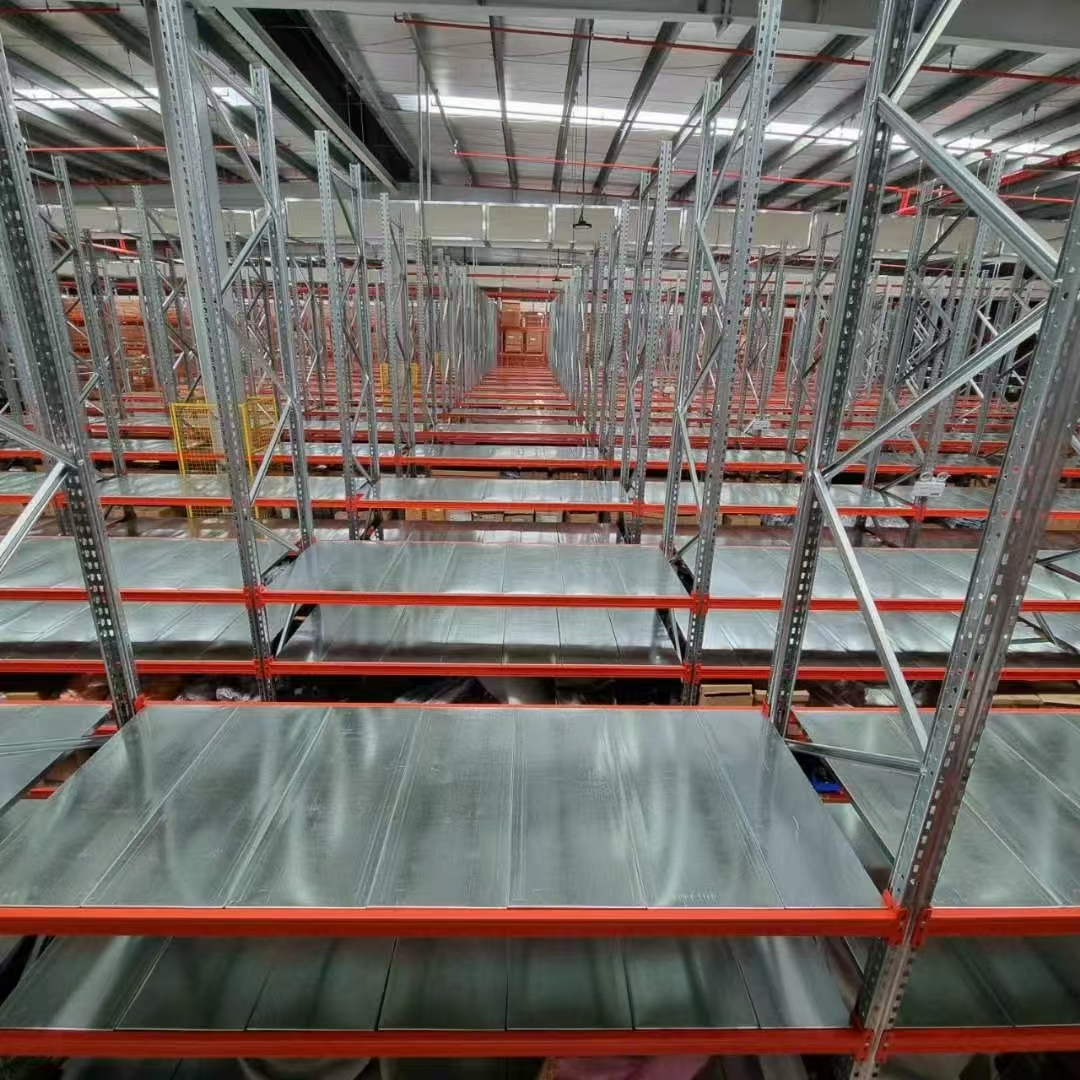
While bolting down warehouse racking may not be explicitly required in every jurisdiction, various safety standards and regulations dictate that certain conditions must be met to ensure stability and safety.
In the U.S., the Occupational Safety and Health Administration (OSHA) provides guidelines for warehouse safety. Although OSHA does not directly mandate that all racking systems be bolted to the floor, it emphasizes the importance of securing equipment to prevent tipping or collapse. The general requirement is to ensure that any equipment, including racks, is safe and stable, with no risk of causing injury or damage.
For example, in high-traffic areas where forklifts are used frequently, OSHA may expect warehouse racks to be anchored to reduce the likelihood of accidents. Failure to follow these guidelines may lead to fines or violations during an inspection.
The American National Standards Institute (ANSI) and the Rack Manufacturers Institute (RMI) have established specific guidelines regarding warehouse racking systems. According to ANSI/RMI MH16.1, securing racks to the floor through bolting is essential for maintaining structural integrity, particularly in high-rise or heavy-load situations.
Warehouse rack companies often adhere to these standards when installing racking systems to ensure compliance and safety. These guidelines help prevent potential hazards caused by unstable racks and provide clear instructions on how to anchor racks effectively.
There are several compelling reasons why bolting down warehouse racks is considered essential by many industry professionals.
Bolting down warehouse racks ensures that the structure remains upright, even during mechanical operations such as forklifts moving inventory or in the event of a seismic disturbance. Without proper anchoring, racks are at risk of tipping, which could result in significant damage to products, equipment, and personnel.
In regions prone to earthquakes or other natural disturbances, securing racks to the floor can be a life-saving precaution. Even minor seismic activity can cause unsecured racks to topple, resulting in costly repairs, injuries, or even fatalities. Bolting racks down is one of the most effective ways to mitigate this risk.
Warehouse racks are often loaded with valuable goods. Whether it’s high-end electronics, perishable food products, or automotive parts, losing inventory to a collapsed rack can severely impact your bottom line.
Securing your racks with bolts minimizes the likelihood of such accidents and helps ensure that operations remain uninterrupted. By preventing racks from falling or shifting, you safeguard your inventory, reduce potential for product loss, and avoid costly downtime.
Most warehouse environments need to comply with local building codes and safety regulations. Failure to secure racks to the floor can result in fines, non-compliance issues, and increased liability. Insurance companies may refuse to cover damages if warehouse racking is not properly installed and secured according to safety standards.
By ensuring that racks are bolted down, warehouse rack companies help businesses mitigate legal and financial risks while ensuring smooth operations.
While bolting down warehouse racks is often the best option for ensuring stability and safety, there are specific situations where this may not be necessary.
In warehouses where racks are low in height and carry light loads, the need for bolting may be reduced. These racks typically pose a lower risk of tipping, especially if there is minimal forklift activity in the area.
However, even in these cases, bolting may still be recommended as a preventive measure to increase stability.
In temporary or leased warehouse spaces, drilling into the floor to anchor racks may not be an option, especially if the building owner prohibits modifications. In such cases, a warehouse rack company can use alternative solutions such as non-permanent anchors or base plates that do not require floor penetration.
These solutions, while not as secure as bolted racks, can still provide some level of stability, depending on the environment and the load being stored.
Some warehouse floors are uneven or made from materials that do not support drilling or bolting. In these cases, securing the racks may be more challenging. If the floor is not concrete or has weak spots, a warehouse rack company may need to consider alternative installation methods that ensure stability without compromising the integrity of the floor.
To ensure your warehouse racks are properly anchored, follow these installation best practices:
Before bolting down racks, assess the warehouse floor for levelness, strength, and composition. Determine whether the floor can support the weight of the racks and whether drilling is feasible. If drilling is not possible, explore alternative anchoring solutions.
The right type of anchor bolt is crucial for securing racks effectively. Common options include wedge anchors, sleeve anchors, and adhesive anchors. Select an anchor type that matches the floor material and rack system design.
During installation, ensure the racks are plumb and level before securing them to the floor. Proper alignment is critical for ensuring the stability of the entire rack system. After bolting, check for any gaps or movement in the system.
After installation, conduct regular maintenance checks to ensure that the bolts remain secure. Inspect the racks for any damage from impact, vibrations, or environmental factors. Periodically tighten bolts and replace damaged components to maintain the system’s integrity.
Warehouse rack companies play a crucial role in ensuring the safety and functionality of warehouse racking systems. These companies must adhere to regulatory standards and work closely with clients to provide secure, reliable, and compliant installations.
By offering installation services, conducting site assessments, and performing regular inspections, warehouse rack companies can help mitigate risks and provide long-term solutions to their clients.
Here are viewpoints from various stakeholders regarding the necessity of bolting down warehouse racking systems:
OSHATraining: According to their guidelines, bolting racks to the floor is crucial for ensuring stability in environments with high forklift activity or seismic risk.
GapalletRack: Bolting down is essential for preventing accidents and protecting both personnel and inventory.
Industrial Shelving: Emphasizes that all racks should be anchored, especially in high-traffic areas or where heavy loads are stored.
Coastal Material Handling: Advocates for bolting racks down as a legal requirement in many jurisdictions, while also acknowledging exceptions for light-duty systems.
Atlanta Pallet Rack: Highlights the critical importance of bolting down for ensuring safety and reducing liability.
Bolting down warehouse racks is an essential step for ensuring the safety, stability, and compliance of your warehouse storage system. While it may not always be necessary in every situation, especially in low-risk environments, it is a crucial consideration for most warehouses. By working with a warehouse rack company that understands these requirements, you can ensure a safe and efficient storage solution for your operations.


