

Views: 0 Author: Site Editor Publish Time: 2025-11-25 Origin: Site


Properly labeling warehouse racks is a crucial part of streamlining operations, ensuring efficiency, and maintaining accuracy in inventory management. Warehouse rack labeling enables quick identification of items, accurate picking, and reduced operational errors. In this guide, we’ll discuss how to label your warehouse racking system effectively, the best practices for labeling, and the key benefits it offers for your business.
Labeling warehouse racks is not just about placing stickers or tags; it plays a critical role in optimizing the warehouse layout and improving operational performance. Here’s why you should consider it:
Improved Inventory Visibility: Warehouse rack labels make it easier to locate products, whether manually or with scanning devices, reducing time spent searching for items.
Enhanced Picking Accuracy: With clear, consistent labels, picking becomes faster and more accurate, which leads to a reduction in errors and returns.
Increased Safety: Labels indicate load limits and rack capacities, helping prevent accidents caused by overloading.
Scalability: As your warehouse grows, a standardized labeling system helps maintain order, making it easier to expand or reorganize.
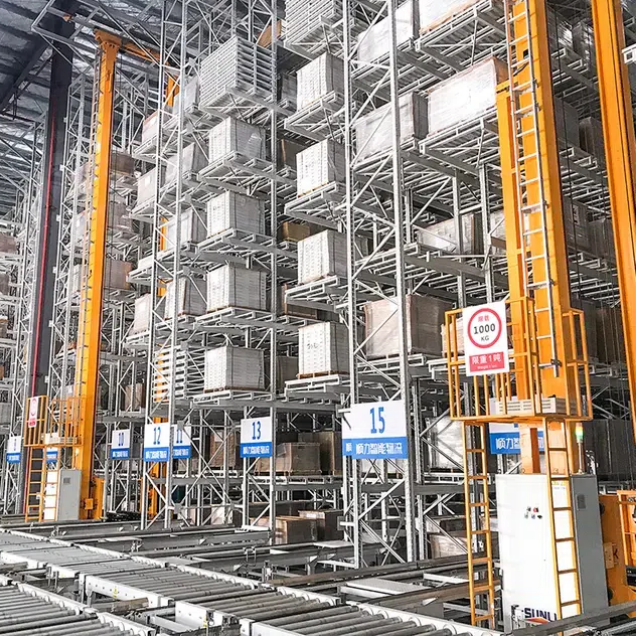
Before you dive into labeling, it’s essential to plan your warehouse rack layout. This ensures that labels will be both practical and effective in the long run. Here’s how to get started:
Begin by sketching out the layout of your warehouse, including aisles, zones, and rack types. Identify how products flow through the warehouse, which will influence how you assign labels to each rack.
Different racks serve different functions. Selective pallet racks, drive-in racks, and mezzanine shelving all have varying heights and depths. Understanding each type of rack is crucial for determining how labels will be applied and read.
Map out the product flows in your warehouse. Are you using single-pick, wave, or zone picking strategies? This will inform how you label each location and what information the label should include.
Ensure that the labeling system integrates with your Warehouse Management System (WMS). This way, each label can be scanned to update inventory records in real-time.
Once the layout is prepared, the next step is to decide which labeling system to use. Several factors will guide your decision:
Choose between alphanumeric codes, barcodes, or QR codes. Alphanumeric codes are simple and effective, while barcodes and QR codes offer higher efficiency, especially when integrated with scanning technology.
You’ll need to select the best type of label for your environment. Some options include:
Adhesive labels: Best for indoor and stable environments.
Magnetic labels: Ideal for areas where labels need to be easily moved or changed.
Hanging tags: Useful for racks with limited space for stickers.
Choose materials that will withstand your warehouse environment. For instance, consider durability for high‑traffic areas, exposure to heat, cold, or humidity, and resistance to wear and tear from forklifts and other equipment.
Think about where the labels will be placed. Ensure they are visible and easy to scan from a standard height (preferably eye-level for operators). Additionally, consider labeling the aisles, shelving levels, and ends for easy identification.
Here’s a simple, step‑by‑step approach for labeling your warehouse racks:
Clean the racks to remove any dirt, dust, or debris. Ensure all areas are accessible for labeling.
Decide on a numbering system that will be consistent across all racks. Common conventions include simple row/column numbering or using alphanumeric codes (e.g., A1, B2, C3).
For ease of visibility and accessibility, start labeling racks from the bottom, and continue upwards. This method ensures labels are always within sight, even when accessing higher shelves.
If using barcodes or QR codes, make sure they are placed in an easily scannable location. Register each label in your WMS for seamless tracking.
After installing the labels, conduct a quick scan to verify they are properly readable and reflect the correct rack or shelf location.
Once the labeling system is in place, make sure all employees are trained on how to read and use the labels efficiently. This step is crucial to ensure everyone understands the system and its benefits.
To maximize the effectiveness of your warehouse rack labels, keep these best practices in mind:
Consistency is Key: Make sure that the labeling format is consistent across all racks to avoid confusion.
Use Clear, Readable Fonts: Choose easy‑to‑read fonts and contrasting colors that ensure visibility from a distance.
Choose Durable Materials: Use labels that are resistant to smudging, fading, or tearing due to environmental factors.
Regularly Inspect and Replace Damaged Labels: Set a schedule for inspecting labels and replacing those that are worn out or unreadable.
Consider Future Expansion: When setting up your numbering system, leave room for future expansion, especially if your warehouse is expected to grow.
While warehouse rack labeling is a straightforward process, there are several common mistakes to avoid:
Inconsistent Numbering: A lack of standardization in rack numbering can lead to confusion and errors during inventory tracking.
Poor Label Placement: Labels should be easily visible and scannable. Avoid placing them too high, too low, or in hard-to-reach areas.
Using Inappropriate Materials: Labels that cannot withstand environmental conditions (e.g., extreme temperatures or humidity) will wear out quickly.
Failure to Update Labels: As inventory, rack layouts, or picking methods change, your labeling system should be updated accordingly.
Overcomplicating the System: A simple, straightforward numbering and labeling system is often more effective than a complicated one. Keep it as intuitive as possible.
Once your warehouse rack labeling system is in place, it’s important to maintain it for long‑term effectiveness:
Schedule Periodic Inspections: Regularly check labels for wear and tear, and replace any that are damaged or outdated.
Plan for Expansion: As your warehouse grows, make sure your labeling system can scale. Leave gaps in numbering or reserve space for new racks.
Train New Staff: Ensure that new employees are familiar with the labeling system and know how to use it.
Keep Labels in Line with Operational Changes: Reassess your labeling system periodically to ensure it aligns with changes in inventory management or the warehouse layout.
Labeling your warehouse racks effectively is more than just a practical necessity; it’s a strategic move that can improve efficiency, safety, and scalability in your warehouse operations. By following the steps outlined in this guide, you’ll be well on your way to creating a streamlined, accurate, and scalable warehouse rack labeling system that enhances your overall workflow.
How often should you update warehouse rack labels?
You should inspect and update labels regularly—ideally, as part of a quarterly warehouse audit.
Can the same labeling system be used for different rack types?
Yes, a well‑designed numbering system can work across various rack types, though certain formats may be better suited for specific systems.
Should labels include barcodes or QR codes?
Including barcodes or QR codes can significantly enhance your warehouse’s efficiency, especially when integrated with an inventory management system.
What materials are best for warehouse rack labels?
Choose materials that can withstand your warehouse’s environment—weatherproof labels for outdoor areas, and durable adhesives or magnets for indoor racks.
How do you ensure warehouse rack labels are easy to read?
Use bold, contrasting fonts, and ensure labels are placed at eye level for optimal visibility and scannability.


