

Views: 0 Author: Site Editor Publish Time: 2025-11-28 Origin: Site


In modern warehouses, optimizing space and improving inventory management are crucial for efficiency and productivity. One of the most effective solutions for achieving this is by using warehouse racks. But what exactly is a warehouse rack, and how does it fit into the broader logistics and storage system? In this article, we'll dive into the concept of a warehouse rack, explore its various types, and discuss how warehouse bin racks play an essential role in small-item storage.
A warehouse rack is a storage system designed to hold goods, materials, or products in a warehouse. Typically made of steel, racks are constructed with vertical beams and horizontal shelves or beams, allowing for the efficient organization and storage of items. These systems enable warehouses to optimize space by storing goods vertically, maximizing the available storage area. Warehouse racks are not just limited to bulky, heavy items; they can also include specialized systems for smaller, lighter products, such as warehouse bin racks, which are used for more granular organization.
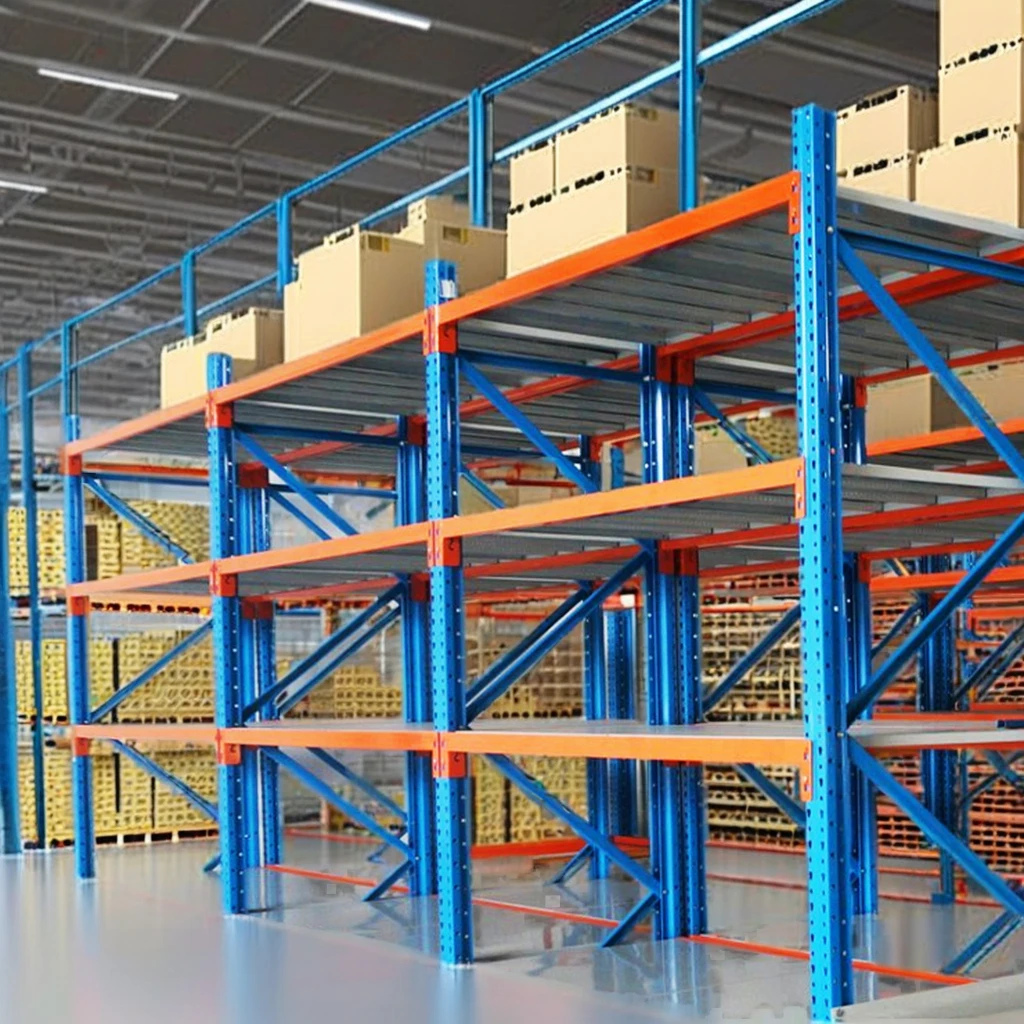
Warehouse racks are essential in modern warehouses for several reasons. Their main benefits include:
Space Efficiency: Warehouse racks enable the use of vertical space, increasing the storage capacity without taking up more floor area. This is particularly important in high-demand areas where maximizing storage is key.
Improved Inventory Accessibility: Goods are easier to organize and access with racks. Items placed on racks can be retrieved faster with the right racking system, improving picking times and overall operational efficiency.
Safety and Compliance: Properly installed and maintained racks help ensure the safety of warehouse workers. They are designed to handle specific loads and heights, reducing the risk of accidents related to unsafe stacking.
Streamlined Workflow: Racking systems help create clear pathways for workers, ensuring smooth material handling and reducing congestion, which can increase productivity in busy warehouse environments.
There are several types of warehouse racks designed to meet the different needs of warehouses. Below are the most common types, including warehouse bin racks for small-item storage.
Selective pallet racking is the most commonly used racking system, providing direct access to every pallet. It is highly flexible and adaptable to various products, making it ideal for warehouses with a diverse range of inventory. This system is ideal for warehouses where fast access to goods is a priority.
In drive-in or drive-through racking systems, forklifts drive into the racks, allowing the storage of a large number of similar products in dense rows. This system is often used in situations where goods are stored for longer periods and accessed infrequently.
Push-back racking allows pallets to be stored at the back of the rack while the front is accessible for retrieval. As products are removed from the front, others automatically move forward, making this system ideal for goods with similar characteristics.
Flow racking is designed to implement the first-in, first-out (FIFO) method of inventory management. This racking system uses rollers to move pallets from the back of the rack to the front, ensuring that older stock is always picked first.
Cantilever racks are used for storing long, bulky items such as pipes, lumber, or furniture. These racks feature arms that extend outward, providing easy access to long products that would otherwise be difficult to store in a traditional pallet racking system.
Warehouse bin racks are a specialized type of racking system designed for storing smaller items in bins, totes, or boxes. These racks allow warehouses to organize components and parts in a way that improves picking speed and accuracy. They are particularly useful for industries dealing with small or mixed inventory, such as electronics, automotive parts, or pharmaceutical items.
Mezzanine racking is a multi-tiered racking system that makes use of overhead space, creating additional levels for storage. This system is ideal for warehouses with limited floor space but abundant ceiling height. Mezzanine racking is commonly used in order fulfillment centers.
The key features of a warehouse rack depend on the type and design of the system. Some general features and their benefits include:
Adjustable Levels: Most warehouse racks are adjustable, allowing businesses to customize the height of the shelves to fit the products being stored.
Heavy-Duty Construction: Racks are built from durable materials like steel, which ensures they can support heavy loads without compromising safety.
Modular Design: Many racking systems are modular, which allows for easy expansion as business needs grow.
Load Ratings: Warehouse racks are rated to carry specific weights, ensuring that they are safe to use for different types of products.
Space-Saving: Vertical storage options make racks highly efficient at utilizing available space.
Maximized Storage Capacity: By using vertical space, warehouse racks allow for much higher storage densities than traditional shelving.
Improved Efficiency: A well-organized racking system makes it easier for workers to access goods, reducing picking and retrieval times.
Flexibility: With various types of racking, warehouses can choose the system that best meets their needs, whether it's for large pallets, small parts, or long items.
Enhanced Safety: Properly installed and maintained racks reduce the risk of stock damage and injury to workers by ensuring items are securely stored.
When selecting a warehouse rack system, several factors should be considered to ensure it meets the operational requirements of your warehouse:
Product Type: Consider the nature of the items being stored. Pallet racking is suitable for large, bulk products, while bin racks are ideal for small or individual parts.
Space Availability: The warehouse's layout, ceiling height, and available floor space will determine which racking system is most suitable.
Load Capacity: Each type of racking system has a specified load capacity. It is essential to match the system's load-bearing capacity to the weight of the products being stored.
Forklift and Picking Equipment Compatibility: The rack system should be compatible with forklifts and other material handling equipment used in the warehouse.
Scalability: As your warehouse operations grow, the racking system should be flexible enough to expand or reconfigure to accommodate more inventory.
Safety Standards: Ensure that the racking system complies with local safety regulations and is regularly inspected to prevent accidents.
Here are perspectives from different platforms regarding warehouse racks and the role of warehouse bin racks:
Frazier – Warehouse racking systems are essential for maximizing warehouse space and improving the speed of order fulfillment. Their flexibility allows businesses to adapt to different storage needs and inventory types.
Camcode – Emphasizes the importance of selecting the right racking system based on the type and volume of inventory. Highlights the role of warehouse racks in inventory visibility and warehouse efficiency.
GS Racking – Provides detailed information on the various types of racking systems available and how they can improve warehouse operations by optimizing storage space and ensuring that goods are accessible.
AMSC USA – Discusses the critical role of warehouse racks in ensuring smooth operations, particularly in environments that require efficient storage and retrieval of goods. Stresses the importance of load capacity and safety.
RackingWorld – Highlights the various rack types suited for different warehouse environments, with particular attention to the versatility of pallet racking and bin racks for mixed-product storage.
Whittan – Provides an in-depth guide on warehouse racking systems and discusses safety considerations and how different types of racking help manage inventory in diverse warehouse setups.
Total Warehouse – Focuses on the role of racking in inventory management and how choosing the right system impacts overall operational efficiency, storage costs, and picking speeds.
A warehouse rack is a critical component of modern warehouse design. It helps businesses maximize space, improve organization, and streamline inventory management. From selective pallet racking to warehouse bin racks, each type of rack system is designed to meet specific storage needs. By carefully selecting the right racking system, businesses can improve both storage density and workflow efficiency. When implementing a racking system, consider factors such as load capacity, layout, and future scalability to ensure that your warehouse operates at its highest potential.


