


In warehouse operations, ensuring the safety of both people and inventory is paramount. For businesses located in seismic zones, the importance of seismic-rated racking systems cannot be overstated. Seismic-rated warehouse racks are engineered to withstand the forces generated by earthquakes, providing structural integrity and protecting goods from potential damage. This article will guide you on where to find seismic-rated racking for warehouse safety, explain the key design features, and offer insights into choosing the right warehouse rack manufacturers.
Why Seismic-Rated Warehouse Racks Matter
Seismic-rated racking systems are essential in regions prone to earthquakes. These racks are specifically designed to resist the lateral and vertical forces that occur during seismic activity, preventing the collapse of racking structures and ensuring the safety of stored products.
In an earthquake-prone area, traditional racking systems may not be able to handle the shifting and vibrations caused by seismic events. This can lead to serious issues, such as:
Rack collapse
Product damage or loss
Risk to employee safety
Extended downtime for repairs
The consequences of inadequate racking systems in seismic zones can be severe, making it critical for businesses to invest in seismic-rated racking solutions that meet local safety codes and industry standards.
Key Design Features of Seismic-Rated Warehouse Racks
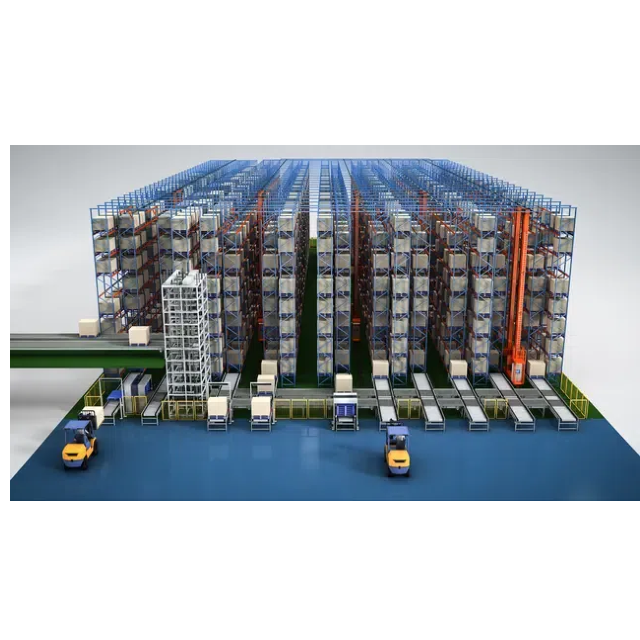
Seismic-rated warehouse racks are designed to offer enhanced safety during seismic events. Here are some of the key design features to look for when selecting seismic-rated racking systems:
Stronger Uprights and Footplates
Seismic-rated racks typically feature reinforced uprights and larger footplates. These components are built to handle greater loads and resist tipping during earthquakes. The footplates are often anchored more deeply into the floor, providing additional stability.
Robust Beam-to-Column Connections
The connections between beams and columns in seismic-rated racks are often reinforced to prevent failure under seismic forces. These stronger connections ensure that the structure remains intact even during intense shaking.
Bracing and Seismic Anchorage
Seismic-rated racking systems include additional bracing to support the entire structure. These braces are designed to absorb and dissipate seismic energy, preventing collapse. Seismic anchors are also used to secure the racks to the floor, enhancing stability.
Compliance with Seismic Standards
Seismic-rated racks are designed in compliance with seismic codes such as ANSI MH16.1, ASCE 7, and JIS in Japan. These codes outline the necessary requirements for racking systems to ensure they can withstand earthquake forces. Working with warehouse rack manufacturers who understand these standards is essential for ensuring compliance.
What to Look for When Choosing Seismic-Rated Racking
When selecting seismic-rated warehouse racks, there are several key factors to consider:
Location and Seismic Zone
The seismic zone in which your warehouse is located plays a major role in determining the type of racking system required. Higher seismic zones may require more robust systems with additional bracing and anchoring.
Manufacturer Experience and Certification
Choose warehouse rack manufacturers with experience in seismic-rated racking systems. Look for manufacturers who offer engineering certifications and can provide seismic analysis specific to your warehouse’s needs.
Customization and Design Support
Seismic-rated racking systems may need to be customized based on the specific layout and seismic risk factors of your warehouse. Work with manufacturers who can provide tailored solutions and offer design support to ensure the system meets all local codes and safety requirements.
Retrofit Options
If your current racking system is not seismic-rated, many manufacturers offer retrofit solutions. Retrofitting involves adding bracing, anchors, or other seismic features to existing racks to bring them up to code.
Cost and ROI
While seismic-rated racking systems may come with a higher upfront cost, they provide long-term value by preventing costly damages and downtime during seismic events. Consider the return on investment, especially in areas with a high risk of earthquakes.
Where to Find Seismic-Rated Racking for Warehouse Safety
Seismic-rated racking systems can be found through several channels:
Online Retailers
Many online retailers offer seismic-rated pallet racks and systems. These platforms allow you to compare different brands, read customer reviews, and request quotes easily. However, it’s essential to verify the seismic certification and compliance of the racks offered.
Specialized Suppliers
Specialized suppliers focus exclusively on seismic applications and often provide a more in-depth understanding of seismic design requirements. These suppliers can guide you through the selection process, offering expert advice and tailored solutions for your warehouse.
Warehouse Rack Manufacturers
Warehouse rack manufacturers are the best source for seismic-rated racking systems, as they can provide custom designs that meet your warehouse's specific needs. Manufacturers who specialize in seismic racking offer solutions that are engineered, tested, and certified to comply with local seismic standards. Additionally, they may provide installation and maintenance services to ensure long-term safety.
Local and Regional Distributors
Some regional distributors partner with manufacturers to provide seismic-rated racking systems. These distributors may offer local expertise and knowledge of regional seismic regulations, helping you choose the right solution for your area.
Voices from the Industry: What Different Platforms Say
Different platforms provide valuable insights on seismic-rated racking systems, helping businesses make informed decisions. Here are the viewpoints from various industry experts:
T‑Racking: They emphasize that businesses should prioritize seismic safety by selecting racks that meet earthquake standards. According to T‑Racking, "Ensuring your warehouse racks are seismic-rated is not just a matter of compliance, it’s a matter of protecting your assets and your workforce."
OneRack Solutions: They highlight the importance of seismic design, stating, "Even if your region is not in a high-risk seismic zone, designing your racking system to withstand lateral forces will ultimately provide enhanced safety and reduce risk."
ICLR: The Industrial Commercial Logistics Review stresses, "Warehouse racks should include seismic-rated storage, especially in seismic zones. A seismic analysis by a structural engineer is essential to ensure proper design."
Tier-Rack: They advise businesses to invest in seismic racks, noting, "Seismic racks are designed to absorb and dissipate the energy from earthquakes, ensuring that your warehouse continues to operate smoothly during a seismic event."
NAS Group: "Understanding and complying with seismic codes is essential. The NAS Group supports businesses by providing seismic analysis and ensuring that racks meet all necessary safety standards."
FAQs
Do I Always Need Seismic-Rated Racks If My Warehouse Is Not in a Major Earthquake Zone?
Even in areas with low seismic risk, seismic-rated racks offer extra protection. It’s always better to be prepared, especially with the potential for unexpected seismic events.
Can I Retrofit My Existing Warehouse Rack System to Meet Seismic Requirements?
Yes, many seismic-rated systems can be retrofitted to existing racks, enhancing safety without the need for a complete overhaul.
What Documentation Should I Request from a Warehouse Rack Manufacturer to Prove Seismic-Rating Compliance?
Request certified seismic design reports, engineering drawings stamped by a licensed structural engineer, and documentation that confirms compliance with local seismic codes.
How Often Should Seismic-Rated Racks Be Inspected or Re-Certified?
It’s recommended to inspect seismic-rated racks annually and after any seismic event to ensure they remain structurally sound.
What Happens If I Install a Standard Rack but the Local Building Authority Demands Seismic Compliance Later?
If your racks do not meet seismic requirements, you may face fines or delays in getting necessary permits. It’s crucial to address seismic compliance early in the design phase.
Conclusion
Seismic-rated warehouse racks are essential for businesses in earthquake-prone areas. By choosing the right rack system, engaging with qualified warehouse rack manufacturers, and ensuring compliance with seismic codes, you can protect your inventory, employees, and business operations. Consider seismic-rated racks as an investment in safety, regulatory compliance, and long-term operational efficiency.


