

Views: 0 Author: Site Editor Publish Time: 2026-09-16 Origin: Site


Transitioning a facility from manual storage to an automated operation requires heavy capital expenditure. Project leaders often experience sticker shock when reviewing vendor proposals, which stalls necessary modernization. Accurate budgeting remains a persistent challenge across the logistics industry. Facility operators frequently miscalculate long-term project expenses by focusing exclusively on the visible hardware. They routinely ignore the financial impact of facility preparation, software integration, commodity market fluctuations, and specialized engineering requirements.
This guide serves as a technical evaluation framework to unpack the exact variables that dictate automated warehouse racking system cost. By understanding the structural, technological, and environmental drivers behind these investments, operations leaders can build realistic budgets. You will learn how to assess vendor proposals critically, avoid hidden implementation expenses, and align your structural choices with your specific operational workflow.
Establishing a financial baseline requires understanding why automated systems carry a higher upfront premium compared to traditional static selective racking. Standard racking is passive. It relies on basic structural steel components designed for manual forklift access. The engineering calculations are straightforward, and the installation procedures are standard across the industry. In contrast, an automated warehouse racking solution functions as a dynamic, highly synchronized machine. The racking structure itself acts as the track, guide, and support system for moving robotics.
This functional shift introduces a 25 to 40 percent average cost increase over standard pallet racking. The premium stems directly from the need for integrated controls, precision manufacturing tolerances, and specialized installation labor. Automated structures cannot tolerate the minor deflections or misalignments acceptable in manual systems. Every beam, upright, and rail must meet strict dimensional tolerances to prevent robotic shuttles or cranes from jamming. Manufacturers must utilize higher-grade steel and advanced fabrication techniques to achieve this precision. A standard rack might allow a half-inch of variance across a bay, whereas an automated grid often requires tolerances within a sixteenth of an inch.
The size of the operation heavily impacts overall cost-efficiency. Smaller warehouses often struggle to absorb the high initial capital expenditure required for basic automation infrastructure. Items like master control panels, server hardware, software licenses, and staging conveyors represent fixed costs regardless of facility size. Conversely, large-scale distribution centers leverage economies of scale. As the facility footprint expands, these fixed infrastructure expenses distribute across a higher number of pallet positions. This effectively drives down the per-pallet investment. Facilities must demonstrate high throughput requirements, face severe space constraints, or operate in regions with chronic labor shortages to validate the transition from standard racking.
Maximum pallet weight and required storage density directly dictate the gauge of steel and the complexity of structural engineering required. Heavy industrial goods demand thicker structural steel components to prevent beam deflection under continuous dynamic loading. When robots move thousands of pounds across steel rails, the dynamic forces exert significant stress on the connections. Engineers must design the system to handle both the static weight of the inventory and the kinetic energy of the moving automation. Roll-formed steel might suffice for lighter loads, but heavy-duty applications force the use of hot-extruded structural C-channels, which increases raw material requirements.
Verticality introduces another major financial variable. Building up rather than out maximizes land use but requires extreme engineering precision. High-bay automated systems reaching 80 to 100 feet require specialized mast equipment for the stacker cranes. As the racking grows taller, the allowable tolerance for plumbness and straightness shrinks drastically. A minor deviation at the base multiplies into a significant lean at the top of the rack. Preventing this requires heavier baseplates, tighter bolt connections, and rigorous quality control during manufacturing. Wind loads and soil bearing pressure also become factors if the racking forms the actual structural support for the building roof and walls, known as a rack-supported building.
Different automation technologies carry distinct financial profiles based on their mechanical complexity and operational capabilities. The table below outlines the general relationship between system type, performance, and baseline investment.
| System Type | Storage Density | Throughput Speed | Maintenance Complexity | Relative Capital Investment |
|---|---|---|---|---|
| Unit-Load AS/RS | Very High | Very High | High (Cranes, Masts) | Highest |
| Pallet Shuttle Systems | Maximum | Moderate | Moderate (Battery, Wheels) | Moderate |
| Mini-Load Systems (Cartons/Totes) | High | Very High | High (Belts, Extractors) | High |
| Vertical Lift Modules (VLMs) | Moderate | Low to Moderate | Low (Chains, Trays) | Lowest |
A unit-load automated storage and retrieval system demands the highest initial capital due to the heavy-duty stacker cranes and complex aisle infrastructure. However, it delivers unmatched throughput for heavy pallets. Pallet shuttles offer a more moderate entry point. They provide exceptional storage density by eliminating aisles entirely, though they generally yield lower throughput speeds compared to crane-based systems.
Specific workflow demands further dictate the necessary technology. Operations requiring strict First-In, First-Out (FIFO) rotation for perishable goods need different lane configurations than facilities utilizing Last-In, First-Out (LIFO) for bulk non-perishables. These workflow rules determine the type of automated pallet rack system required. A FIFO setup requires separate loading and unloading aisles, increasing the footprint and structural engineering expenses. A LIFO setup allows loading and unloading from the same aisle, maximizing density but restricting inventory access.
Global steel market fluctuations continuously impact the baseline pricing for raw materials. Because automated structures require massive quantities of high-grade steel, even minor percentage shifts in commodity indexes alter project budgets significantly. Procurement teams must account for these fluctuations when reviewing long-term vendor proposals, often negotiating material price escalation clauses to protect both parties.
Geographic location plays a critical role in structural design. Facilities located in active seismic zones require substantially heavier baseplates, specialized anchoring systems, and complex structural calculations to meet local building codes. Engineers must design the racking to flex safely during a seismic event without derailing the automation equipment. This often involves adding heavy-duty seismic bracing and using specialized epoxy anchors instead of standard wedge bolts. Material customization adds another layer of expense. Harsh environments require hot-dipped galvanized steel to prevent rust, while specialized durability treatments or custom powder-coating colors for safety zoning increase manufacturing time.
Hardware represents only half of the automation equation. A smart warehouse racking system relies entirely on its software architecture to function. Integrating automated mechanical components with an existing Warehouse Management System (WMS) or Enterprise Resource Planning (ERP) platform requires significant programming and testing. The software must translate high-level inventory orders into precise mechanical movements, managing thousands of API calls per minute.
Operations must choose between off-the-shelf control software and highly customized integration logic. Standardized software packages lower initial integration expenses but force the facility to adapt its operational workflows to match the software's limitations. Custom integration logic ensures the automation behaves exactly as the operation demands. A dedicated Warehouse Execution System (WES) acts as the traffic cop, optimizing routing, preventing gridlock in the shuttle lanes, and managing task interleaving. Developing this middleware requires extensive software engineering hours and rigorous API development.
The physical nervous system of the racking structure consists of Programmable Logic Controllers (PLCs), photoelectric sensors, and safety scanners. These components monitor pallet positions, verify clearances, and prevent collisions. The density and sophistication of this sensor network directly impact the total system investment. High-throughput operations require faster processing speeds and more redundant sensor arrays to maintain safety without sacrificing speed. Industrial-grade sensors designed to withstand dust, vibration, and temperature swings carry a premium over standard commercial electronics.
Designing the inbound and outbound handoff zones carries a substantial financial impact. Automated racking cannot function in isolation; it requires seamless feeding mechanisms. The conveyors, Automated Guided Vehicle (AGV) staging areas, and profile-checking stations that feed pallets into the racking system require their own structural supports, drives, and integration logic. A profile checker, for example, scans every inbound pallet to ensure no product overhangs the wooden base. If a pallet fails the scan, the system rejects it to a manual rework lane. Miscalculating the complexity of these handoff zones frequently leads to budget overruns.
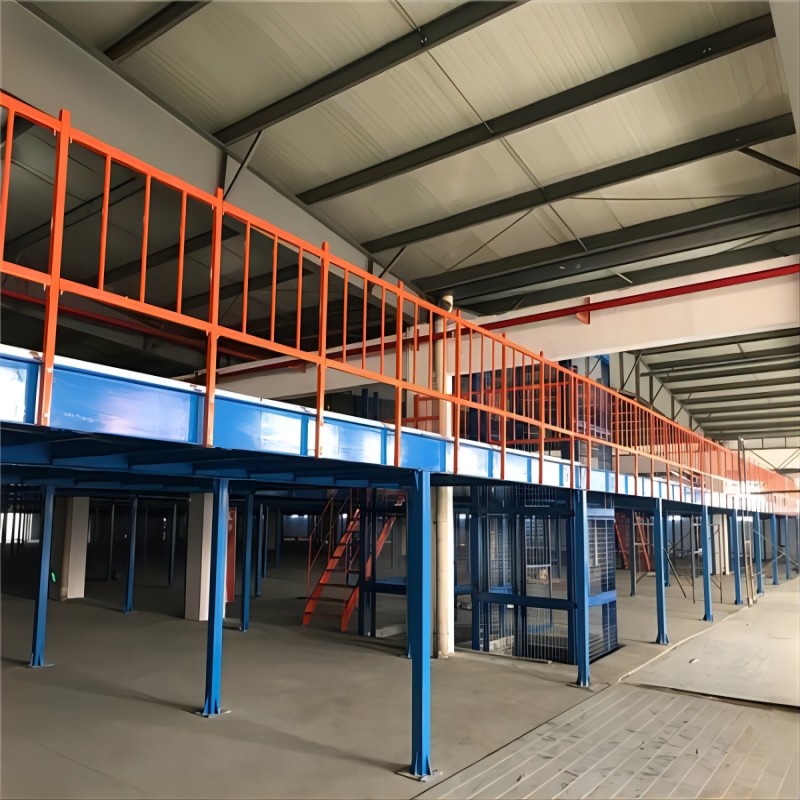
Inadequate floor slabs represent the most common hidden expense in warehouse automation projects. Automated systems require strict Floor Flatness (FF) and Floor Levelness (FL) tolerances. A standard warehouse concrete slab rarely meets the rigorous specifications required for high-bay stacker cranes or precision pallet shuttles. Uneven floors cause mast sway at high elevations. A quarter-inch dip at the floor level translates to a three-inch sway sixty feet in the air, leading to equipment jams, premature wear on drive wheels, and potential structural failure.
Before installing the racking, facilities must conduct comprehensive laser surveys of the existing concrete. If the slab fails to meet the required F-min tolerances, operations face significant remediation expenses. The remediation process generally follows these steps:
Installing automation in freezer or cooler environments introduces steep cost multipliers. Cold storage facilities benefit immensely from high-density automated racking due to the high expense of refrigerating empty space. Sub-zero temperatures wreak havoc on standard mechanical and electrical components, forcing engineers to upgrade nearly every part of the system.
Freezer-rated automation requires specialized cold-rated steel that resists embrittlement at low temperatures. Standard steel becomes brittle and prone to cracking under dynamic loads in deep freeze conditions. Sensors must feature condensation-resistant housings and internal heaters to prevent false readings caused by frost buildup. Furthermore, all moving parts require specialized low-temperature lubricants to prevent motors and gearboxes from seizing. These necessary modifications significantly increase the baseline investment, requiring careful financial modeling to ensure the density gains offset the specialized hardware requirements.
Selecting the right integration strategy dictates both the financial structure and the risk profile of the project. Hiring a single turnkey warehouse automation supplier typically involves a higher upfront premium. The turnkey provider assumes total responsibility for the hardware, software, installation, and final commissioning. This single-source accountability drastically lowers the risk of integration failure and eliminates finger-pointing between contractors when issues arise.
Alternatively, managing multiple specialized vendors yields potential savings on individual components. A facility might purchase the racking from a structural manufacturer, the shuttles from a robotics firm, and hire an independent software integrator. While this fragmented approach lowers initial equipment bids, it significantly increases the project management burden. Internal teams must coordinate timelines, manage technical handshakes between different systems, and absorb the risk if the components fail to communicate effectively.
The secondary market for warehouse equipment offers opportunities to lower capital requirements. Integrating refurbished Vertical Lift Modules (VLMs) or reconditioned pallet shuttles reduces the initial hardware investment. This approach suits operations with moderate throughput requirements or those testing automation in a limited facility zone.
Relying on refurbished components introduces distinct risks. Used equipment often lacks comprehensive warranty protection and struggles with software compatibility when connecting to modern WMS platforms. Finding replacement parts for legacy systems becomes increasingly difficult as manufacturers phase out older models. Buying new guarantees the latest safety features, full manufacturer support, and guaranteed lifespan metrics. Decision-makers must weigh the immediate capital savings of refurbished gear against the potential for increased maintenance downtime and shorter operational lifecycles.
Precision installation requires specialized labor. Automated systems demand millwrights, laser-alignment specialists, and certified automation technicians, not just standard rack installers. The labor rates for these specialized trades significantly exceed standard warehouse contracting rates. The installation phase takes longer due to the meticulous leveling, anchoring, and structural verification required at every tier of the system.
The commissioning phase adds further time and labor requirements. Before a facility goes live, technicians conduct extensive software handshakes and perform dynamic load testing with test weights. A formal Site Acceptance Test (SAT) involves running the system at peak operational volumes for an extended period, often 48 to 72 hours, to identify thermal faults in motors, software memory leaks, or mechanical bottlenecks. Skipping or rushing the commissioning phase inevitably leads to operational failures during live production. Budgeting adequate time and capital for rigorous testing remains non-negotiable.
Evaluating the true financial impact of automation requires looking beyond the initial installation. Complex mechanical systems require rigorous, ongoing maintenance. Operations must evaluate mandatory Service Level Agreements (SLAs) offered by the vendor. These agreements dictate response times for software support, remote troubleshooting, and emergency mechanical repairs.
Preventative maintenance schedules dictate how often technicians must inspect rails, lubricate chains, check belt tension, and calibrate sensors. Facilities must hold critical spare parts on-site to prevent catastrophic downtime. Stocking replacement drive motors, PLC modules, specialized shuttle batteries, and proprietary sensor arrays requires dedicated capital that must be factored into the long-term operational budget. Relying on the manufacturer to ship parts during an outage results in unacceptable fulfillment delays.
Offsetting the high initial investment requires tracking measurable operational gains. High-density automation drastically reduces the physical footprint needed for storage, which directly lowers land acquisition, property taxes, and facility leasing expenses. Removing manual forklifts from the storage aisles eliminates rack impact damage and reduces product shrinkage.
Labor offset represents the most significant financial gain. Automation allows facilities to maintain high throughput with a fraction of the manual workforce, insulating the operation from labor shortages, turnover costs, and rising wage rates. Payback periods typically range from three to seven years, depending heavily on facility throughput, shift structures, and local labor rates. Project leaders must avoid exaggerated ROI claims and rely on conservative throughput models when presenting financial projections to stakeholders.
Installing heavy automation within an active facility causes inevitable operational disruption. The financial impact of this downtime must be calculated alongside the hardware investment. Tearing down existing static racks and pouring new concrete slabs forces inventory relocation and temporarily reduces fulfillment capacity.
Implementing phased rollouts provides the most effective strategy for minimizing revenue loss. By segmenting the warehouse and installing the automation in distinct zones, operations maintain partial fulfillment capabilities. Phased transitions require precise inventory management, temporary workflow adjustments, and off-site buffer storage. While this extends the overall project timeline, it protects the facility from total operational standstills during the transition period.
While the initial capital required for warehouse automation is undeniably substantial, it remains a predictable calculation. By thoroughly analyzing hardware requirements, software integration needs, facility readiness, workflow scale, and supplier expertise, operations leaders eliminate budget surprises. The transition from manual to automated storage transforms a static building into a dynamic, high-throughput machine capable of offsetting its initial premium through long-term efficiency gains.
Decision-makers should prioritize vendors who offer transparent lifecycle models and require rigorous facility audits before quoting. Avoid suppliers who provide rapid estimates without inspecting your concrete slab or analyzing your specific WMS architecture. A methodical approach to procurement ensures the final system aligns perfectly with both your budget and your operational demands.
To move forward with your automation project, execute the following steps:
A: Automated systems operate with extremely tight tolerances. Uneven floors cause mast sway at high elevations, leading to equipment jams, sensor faults, and potential structural failure. Remediation is necessary if the slab fails to meet strict FF and FL ratings.
A: Yes. Freezer environments require specialized cold-rated steel, condensation-resistant sensors, and low-temperature lubricants. These modifications prevent mechanical failure in sub-zero conditions but add a significant premium to the initial hardware investment.
A: Payback periods generally range from three to seven years. The exact timeline depends on facility throughput, local labor rates, land acquisition savings, and the reduction of product or rack damage caused by manual forklifts.
A: Most modern automated systems integrate with an existing Warehouse Management System. However, this requires custom API development or a middleware Warehouse Execution System (WES) to translate inventory data into precise mechanical commands.
A: Refurbished equipment lowers initial capital requirements. However, buyers must weigh these savings against potential integration challenges, shorter lifespans, difficulty sourcing legacy replacement parts, and the lack of comprehensive warranties compared to purchasing new components.
A: An AS/RS uses heavy-duty cranes to move inventory vertically and horizontally, offering high throughput and density. Pallet shuttles use robotic carts moving within rack lanes, providing maximum high-density storage but generally lower throughput speeds than crane systems.


