

Views: 0 Author: Site Editor Publish Time: 2026-09-13 Origin: Site


Relocating a distribution center introduces severe operational risks. Your physical infrastructure dictates fulfillment capacity, and moving it requires far more than standard logistics. Dismantling, transporting, and reinstalling heavy-duty racking systems demands strict structural engineering oversight. You must execute precise sequencing and adhere to rigid safety codes. Failure to manage these elements leads to massive operational downtime. Standard commercial movers lack the technical expertise for this specialized work. They often damage steel components or fail to meet seismic anchoring standards at the destination facility.
You need a specialized logistics partner to handle this transition. This guide outlines how to assess mac relocations warehouse racking capabilities. We cover the exact methodologies required to keep your facility running. You will learn how to mitigate downtime, maintain structural integrity, and navigate complex building codes. Protecting your inventory requires a calculated, engineering-first approach.
Delayed racking availability creates a chain reaction across your supply chain. When racks are not ready at the destination, inventory bottlenecks form immediately. Trucks sit idle in the yard waiting for dock doors to open. You incur steep detention fees from freight carriers. Every hour of delay translates directly into lost fulfillment days. Your operations team cannot pick, pack, or ship products without a stable storage infrastructure.
Relying on standard commercial movers amplifies these risks. Specialized racking crews understand how to handle structural steel. Standard movers often damage uprights during transit. They lose specialized hardware like safety pins, J-bolts, and engineered shims. Improper bundling leads to bent beams and scratched powder coating. Poor planning also ignores lease dilapidation penalties. If you do not properly remediate the old warehouse floor after rack removal, your former landlord will assess heavy make-good penalties.
| Failure Point | Operational Impact | Financial Consequence |
|---|---|---|
| Damaged Uprights in Transit | Halted installation for specific aisles. | Expedited steel replacement costs. |
| Lost Hardware (Pins/Bolts) | Failed safety inspections. | Project delays and idle labor wages. |
| Ignored Floor Remediation | Breach of lease exit clauses. | Landlord chargebacks for concrete repair. |
| Poor Load Sequencing | Installers waiting on baseplates. | Detention fees for waiting freight trucks. |
You must define strict metrics to evaluate the success of your move. The primary metric is zero safety incidents during teardown and reassembly. You must also achieve zero damaged inventory throughout the transition. Strict adherence to the critical path schedule is mandatory. Every phase must align with your operational timeline.
Final success requires full compliance with local building authorities. The destination facility must pass all structural and fire inspections immediately upon completion. Treating the move as a comprehensive industrial racking project ensures these criteria are met. You integrate engineering, logistics, and compliance into a single operational workflow.
Pre-move inspections form the foundation of a safe relocation. Specialized crews conduct detailed structural integrity audits before unbolting any components. They inspect uprights for forklift impact damage. They identify deflected beams that no longer meet load capacity standards. Crews check baseplates for rust and structural fatigue. Any compromised steel is immediately isolated and marked for recycling.
Efficient reassembly relies on rigorous teardown protocols. Crews must properly palletize, band, and label all components. They use alphanumeric coding to map every beam and upright to its future location. This prevents sorting delays at the destination. Legacy floor restoration is equally critical. Crews cut old wedge anchors flush with the concrete using angle grinders. They fill the remaining holes with industrial two-part epoxy. This process satisfies strict lease exit clauses and leaves the facility in pristine condition.
Transporting heavy steel requires a specific logistical approach. You must choose between flatbed trailers and dry vans. Flatbeds allow for side-loading with heavy-duty forklifts. This is ideal for oversized uprights and long beams. Crews place 4x4 dunnage between bundles of steel to prevent metal-on-metal sliding during transit. Dry vans work well for smaller components like wire decking and hardware, but loading heavy steel into them is highly inefficient.
Weight distribution across trailer axles requires careful planning. Steel is incredibly dense. Improper loading leads to transit delays and weigh station violations. Load sequencing dictates the flow of the rebuild. You must ship uprights and baseplates on the first trucks. Beams and wire decking follow later. This ensures the installation team has the right materials exactly when they need them.
The rebuild phase demands absolute technical precision. Crews utilize laser alignment tools to ensure every row is perfectly straight. Uneven concrete slabs are common in industrial facilities. Installers use engineered steel shims to level the uprights precisely. Being 1/16 of an inch out of plumb at the base translates to several inches of lean at 30 feet high. Proper shimming prevents structural leaning and maintains load capacities.
Anchoring requires strict adherence to engineering specifications. Installers must use the correct wedge anchors for the specific concrete thickness. They apply exact torque specifications to every anchor bolt using calibrated torque wrenches. A flawless warehouse rack installation guarantees the system performs exactly as designed under maximum load conditions.
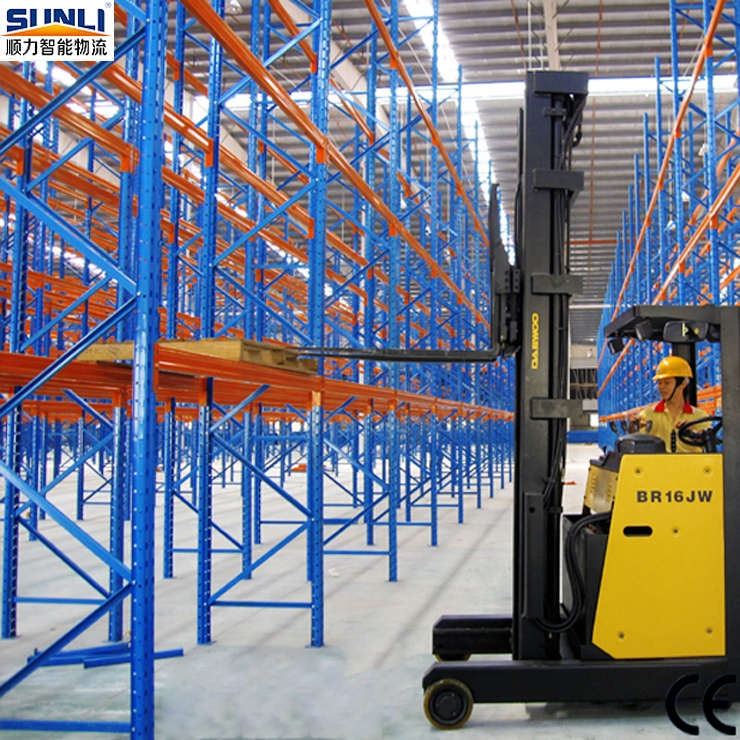
The phased approach moves your facility in distinct sections or zones. You dismantle one aisle, transport it, and rebuild it at the new site. You then transfer the inventory for that specific zone. This cycle repeats until the entire facility is relocated. This method requires intense coordination between your logistics and operations teams.
This approach allows for continuous operations. You maintain partial inventory flow and keep fulfilling customer orders. However, it introduces higher logistical complexity. You manage multiple freight shipments over an extended period. The overall project timeline is significantly longer compared to a total shutdown.
| Relocation Methodology | Primary Advantage | Primary Disadvantage | Best Use Case |
|---|---|---|---|
| Phased Dismantle and Rebuild | Maintains continuous order fulfillment. | Longer project timeline and complex logistics. | High-volume e-commerce or critical supply chains. |
| Lift and Shift (Total Shutdown) | Fastest overall project completion time. | Requires complete halt of all operations. | Facilities with distinct off-seasons or low daily order volume. |
The total shutdown method executes the move in a single, massive push. You halt all fulfillment operations. Crews dismantle the entire racking system, transport it, and rebuild it simultaneously. This requires an immense concentration of labor and transportation resources. You often execute this over a long holiday weekend, running crews in 12-hour shifts.
This method is highly efficient if your business can tolerate a temporary blackout. It eliminates the friction of working around active fulfillment operations. Assessing these warehouse moving solutions requires you to balance your tolerance for downtime against your budget for expedited labor and freight.
Moving a racking system subjects it to new regulatory environments. Relocating across state lines, or even to a different county, often changes your seismic category. A racking configuration that was compliant in your old facility might fail inspection at the new site. Soil composition and proximity to fault lines dictate these requirements. You might need larger footplates or thicker anchors.
You must obtain updated engineered stamped drawings for the new facility layout. These drawings prove to local building authorities that your system meets current codes. Attempting a storage rack relocation without new engineering stamps guarantees failed inspections and massive operational delays.
Safety compliance extends beyond the initial build. You must execute rigorous final safety checks before loading any inventory onto the racks. Crews verify that every upright is perfectly plumb and square. They inspect every beam connection to ensure safety pins are properly engaged. Missing pins allow beams to dislodge during forklift impacts.
Load capacity signage is a strict OSHA requirement. You must install updated plaques at the end of every aisle. These plaques detail the maximum allowable weight per beam level based on the new engineering calculations. Skipping these post-installation inspections exposes your workforce to severe physical danger and your company to heavy regulatory fines.
Understanding liability is critical during a facility move. General liability insurance rarely covers the specialized risks of dismantling and transporting structural steel. You need specialized cargo and rigging insurance. This covers the materials while they are suspended in the air by forklifts and while they are in transit on the highway.
Using a unified vendor simplifies the chain of custody. A single provider assumes total risk from the moment the first beam is unbolted. They maintain that liability until the final rack is anchored at the destination. This eliminates finger-pointing between teardown crews, freight carriers, and installation teams if damage occurs.
Relocation forces a decision on asset lifecycle management. You must decide whether to reuse all existing materials or integrate new components. Scrapping older, heavily damaged racking often makes operational sense. Moving compromised steel wastes labor and freight resources. You pay to tear it down, ship it, and then fail inspection.
Develop a strict decision framework during the audit phase. If an upright requires extensive repair to meet code, scrap it. Order replacement materials well in advance of the move. Integrating new components during the rebuild ensures the final system operates at peak capacity without inheriting legacy structural flaws.
Your physical infrastructure must perfectly match your material handling equipment. The new facility layout might require different aisle widths. You must ensure the reinstalled racking is fully compatible with your forklifts and reach trucks. Aisle dimensions dictate the turning radius required for safe operation. If you narrow the aisles from 10 feet to 9.5 feet, your current reach trucks might not fit.
Top beam heights must align with the maximum reach capabilities of your MHE. If the new facility has a higher clear height, you might want to add levels. You must verify that your existing equipment can safely service those new heights. Mismatching your racking layout with your MHE fleet paralyzes warehouse productivity.
You can manage the move by acting as the general contractor. This involves hiring separate teardown crews, booking independent freight carriers, and sourcing a different installation team. This piecemeal approach appears efficient initially. However, it creates massive scheduling friction. If the teardown crew runs late, the freight carriers charge detention fees, and the installation team sits idle.
Partnering with a single, specialized warehouse racking relocation service eliminates these operational silos. The turnkey provider synchronizes every phase. They absorb the scheduling risks and manage the entire critical path. This consolidated approach drastically reduces overall business disruption and ensures a faster return to full operational capacity.
Hardware loss is a primary risk during transit. Specialized bolts, engineered shims, and proprietary safety clips easily go missing. When the installation team lacks this hardware, the rebuild stops immediately. You cannot substitute standard hardware for engineered racking components. A standard bolt from a hardware store lacks the shear strength required for industrial racking.
Mitigate this risk through strict inventory control protocols. Crews must bag and label all hardware securely, often shrink-wrapping it directly to the corresponding beams. Furthermore, always order a surplus of replacement hardware prior to the move. Having a 10% buffer of bolts and clips on hand eliminates delays caused by inevitable minor losses during transit.
The destination facility's floor presents hidden risks. The new concrete slab might have a different thickness or a lower PSI rating than your previous location. A 6-inch slab behaves very differently than an 8-inch slab under heavy point loads. This directly affects anchoring depth and overall load capacities. You cannot assume the new floor will support the same weight distribution.
You must conduct core testing at the new site during the planning phase. Engineers analyze these core samples to determine the slab's exact specifications. They then adjust the engineering calculations and specify the correct anchoring systems before the installation team arrives on site. This prevents mid-installation redesigns.
Physical relocation is only half the battle. Your digital infrastructure must mirror the physical changes. If the racking is relocated but the Warehouse Management System (WMS) is not updated, fulfillment stops. Pickers will be directed to empty aisles or incorrect bin locations. Barcode labels must match the new physical layout perfectly.
You must integrate your IT and operations teams into the relocation schedule. As the physical rebuild progresses, the IT team must update the digital mapping in real-time. New aisle and bin configurations must be live in the WMS the moment the safety inspector clears a zone for inventory loading. Print and apply new location labels as soon as the beams are locked in place.
A: Downtime varies heavily based on facility size and methodology. A phased approach allows continuous, albeit reduced, operations with zero total downtime. A total shutdown for a mid-sized facility typically requires a 3 to 5-day complete operational blackout over a weekend. Crew size and freight availability directly impact these timeframes.
A: Yes. Moving racking to a new facility requires new permits. Local building authorities treat reinstalled racking as a new construction project. You must submit updated engineered stamped drawings that prove compliance with the destination facility's specific seismic and fire codes.
A: Severely damaged components should be replaced, not repaired. Field welding or hammering out deflected steel compromises the structural integrity of the system. Replacing damaged uprights and beams is necessary to maintain engineered load capacities and protect your liability.
A: You minimize disruption by building out high-priority pick zones at the new facility first. You transfer your fastest-moving inventory into these completed zones immediately. This allows you to resume core fulfillment operations while the crews dismantle and relocate the slower-moving inventory from the legacy site.
A: Hidden costs include the time required to source replacement hardware and specialized freight requirements for oversized uprights. You must also account for concrete remediation obligations at the old facility and the internal labor hours required to reconfigure your WMS to match the new layout.


